


Snorkeling on the Big Island of Hawaii offers something rare: dramatic underwater landscapes shaped by volcanic activity, clear water year-round, and a chance to encounter marine life found nowhere else on Earth. From protected bays to rugged lava coastlines, the island delivers a wide range of snorkeling conditions that appeal to curious beginners and confident ocean explorers alike.
Understanding where to snorkel matters just as much as knowing when to go. Ocean conditions, access points, and reef health vary widely across the island. The Big Island locations below highlight places that combine beauty, biodiversity, and relative accessibility while respecting the cultural and environmental significance of Hawaii’s waters.
Kealakekua Bay
Kealakekua Bay ranks among the most vibrant snorkeling locations in Hawaii. The bay holds protected marine sanctuary status, which allows coral reefs and fish populations to thrive. Calm morning waters often provide excellent visibility.
Snorkelers commonly spot yellow tang, parrotfish, and spinner dolphins along the deeper edges of the bay. The shoreline access requires a hike, while kayak and boat access offer easier entry for many visitors. The area also holds deep cultural importance as the site of Hikiau Heiau and other historic landmarks.
Honaunau Bay (Two Step)
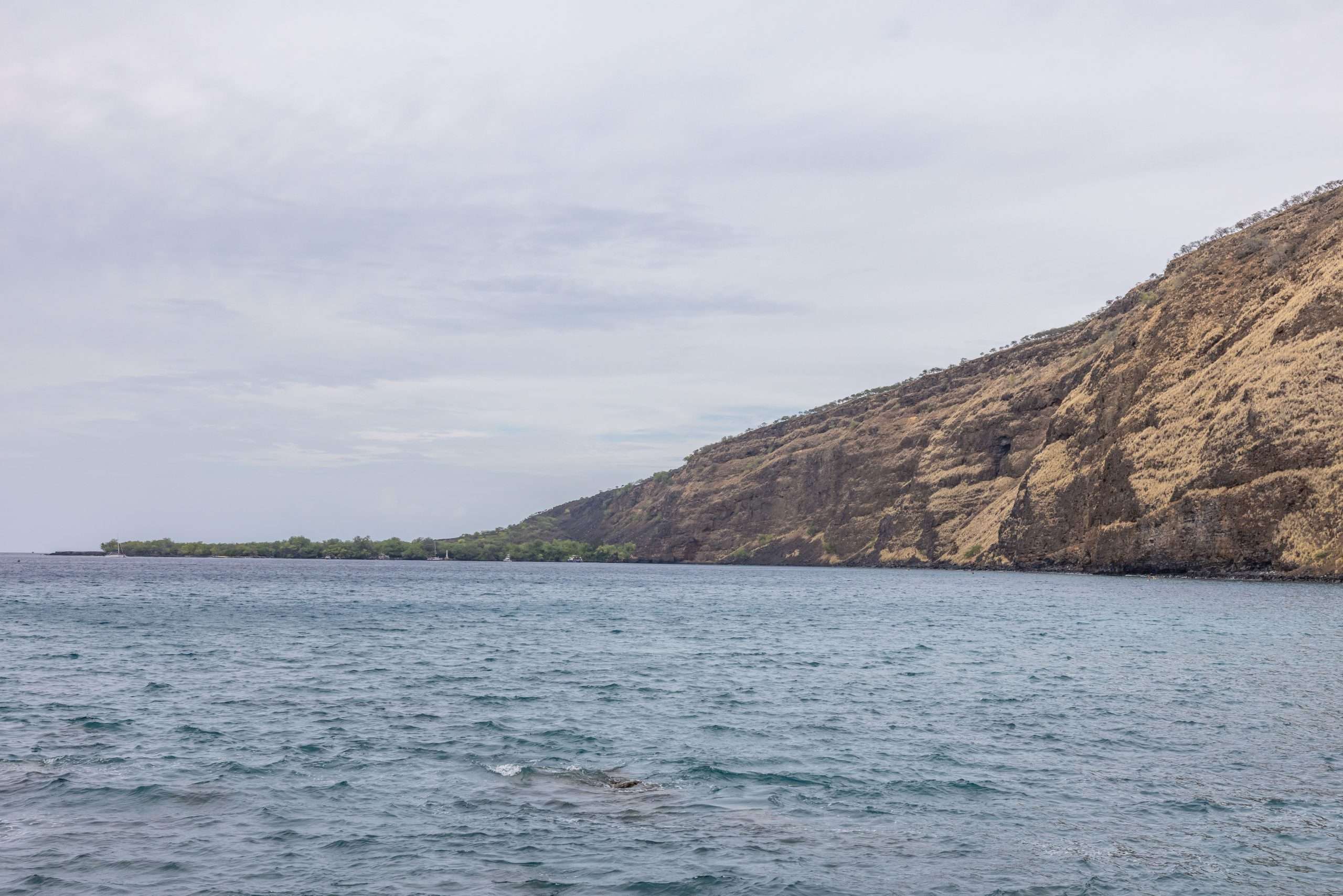
Honaunau Bay, often called Two Step, offers easy entry and immediate access to deep water. Lava rock formations create natural steps that lead directly into the ocean. Clear water and strong reef structures make this location a favorite.
Fish diversity remains high year-round, and green sea turtles frequently glide through the bay. Snorkelers benefit from entering early in the day before crowds and afternoon winds arrive. Nearby Puʻuhonua o Hōnaunau National Historical Park adds cultural context to the experience.
Kahaluʻu Beach Park
Kahaluʻu Beach Park serves as one of the best learning environments for snorkeling on the Big Island. The bay features shallow water, gentle waves, and protected reef areas. These conditions help beginners feel comfortable while observing marine life.
Lifeguards, restrooms, and educational signage support safe and respectful snorkeling. The reef hosts butterflyfish, surgeonfish, and sea turtles that feed near shore. Visitors should avoid standing on coral and follow posted guidelines to protect this fragile ecosystem.
Mauna Kea Beach (Kaunaʻoa Bay)
Mauna Kea Beach combines soft white sand with clear, calm water during summer months. The bay shelters snorkelers from strong currents and provides excellent visibility along the rocky edges.
Snorkelers often see wrasses, triggerfish, and reef squid near the north and south ends of the beach. Early mornings offer the calmest conditions. Public access remains available despite the adjacent resort, though parking fills quickly.
Makalawena Beach
Makalawena Beach rewards those willing to walk. A lava field hike leads to a remote stretch of sand with fewer crowds and healthy reefs. The lack of development helps preserve water clarity and marine habitats.
Snorkeling works best along the rocky points rather than the sandy center. Calm days reveal coral heads, reef fish, and occasional turtles. Visitors should bring water, sun protection, and sturdy footwear for the walk.
Puako Bay
Puako Bay features one of the longest continuous reef systems on the island. Snorkelers can explore multiple entry points along Puako Beach Drive, each offering slightly different underwater scenery.
The bay supports a wide range of species, including moray eels, eagle rays, and schools of tropical fish. The shallow reef extends far offshore, which allows long, relaxed snorkel sessions. Respect for private property and shoreline access remains essential.
Lapakahi State Historical Park
Lapakahi offers a quieter snorkeling experience paired with historical exploration. The former Hawaiian fishing village sits along a rugged coastline with clear water and minimal boat traffic.
Rocky entry requires careful footing, but calm days reveal coral formations and reef fish close to shore. The park encourages visitors to learn about traditional Hawaiian coastal life while enjoying the ocean.
Kua Bay (Maniniʻowali Beach)
Kua Bay delivers striking blue water and strong snorkeling conditions when surf remains low. Lava rock points on both ends of the beach attract fish and create natural underwater structure.
The bay can experience sudden shore break during winter months, so checking conditions matters. Summer mornings usually provide the best snorkeling opportunities. Facilities include restrooms and parking, which support longer visits.
Honokōhau Harbor (Outer Reef)
The outer edges of Honokōhau Harbor offer surprisingly good snorkeling away from boat channels. Lava formations and reef patches support diverse marine life.
Snorkelers should stay well clear of vessel traffic and focus on calmer sections outside the harbor mouth. Early mornings improve visibility and safety. The nearby national park adds opportunities for wildlife viewing on land.
Spencer Beach Park
Spencer Beach Park provides a family-friendly snorkeling environment on the Kohala Coast. A natural reef barrier reduces wave energy and creates calm swimming conditions.
Snorkelers can explore near the rocky edges where fish gather. Picnic areas, shade, and restrooms make this beach suitable for longer stays. The park also hosts cultural events that reflect local traditions.
ʻĀnaehoʻomalu Bay (A-Bay)
ʻĀnaehoʻomalu Bay combines accessibility with scenic beauty. Lava rock formations frame a sandy beach, and calm water often supports snorkeling close to shore.
Fish populations concentrate near the rocky areas rather than the open sand. Mornings deliver better clarity, while afternoons can bring wind. The bay’s easy access makes it popular, so patience helps during busy periods.
What to Know Before Snorkeling on the Big Island
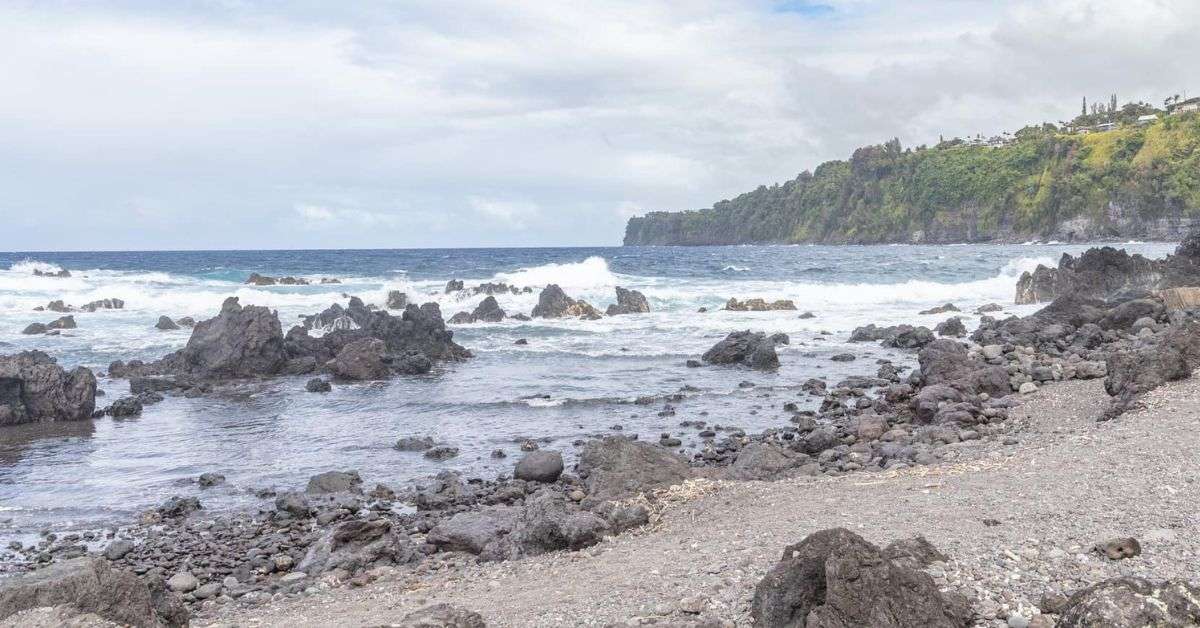
Snorkeling safety and reef protection go hand in hand. Ocean conditions can change quickly, and the island’s volcanic shoreline demands awareness and preparation.
Consider these essential tips before entering the water:
- Check daily surf and weather reports
- Snorkel in the morning for calmer seas
- Use reef-safe sunscreen
- Avoid standing or touching coral
- Observe marine life from a respectful distance
Many visitors choose guided options or Big Island private tours to gain local insight into conditions, access points, and cultural context while snorkeling responsibly.
Respecting Hawaiian Marine Environments
Hawaii’s reefs support food systems, cultural practices, and biodiversity that extend far beyond recreation. Responsible snorkeling protects these resources for future generations.
Simple actions such as entering carefully, limiting contact, and following local guidance make a meaningful difference. Education remains one of the most effective tools for conservation.
Choosing the Right Snorkeling Spot for Your Skill Leveld
Not every location suits every snorkeler. Some bays cater to beginners, while others require confidence in open water. Matching skill level to conditions ensures a safer and more enjoyable experience.
Beginners often prefer protected bays with sandy entry and lifeguards. More experienced snorkelers may seek rocky coastlines and deeper reefs during calm conditions.
Final Thoughts on Snorkeling the Big Island
The Big Island offers unmatched snorkeling diversity shaped by geology, culture, and conservation. Each snorkeling location provides a different window into Hawaii’s marine world.
By choosing appropriate spots, respecting the ocean, and learning about the environment, snorkelers gain more than beautiful views beneath the surface. They connect with a living system that defines the island itself.


