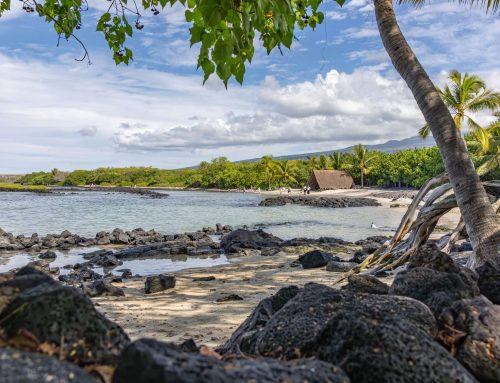
Exploring the Best of Big Island
The staggering scale of Hawaii’s Big Island is the first thing to understand. For Big Island visitors mapping out Big Island Hawaii travel, this expansive landmass could comfortably hold every other Hawaiian island inside its borders. As you begin Exploring the Best of Big Island, expect distances and drive times that reward thoughtful planning.
Where else can you drive from a sun-baked desert to a rain-kissed forest before lunch? Unique Hawaii Island experiences stem from this environmental contrast, as climatologists note the landscape hosts 11 distinct climate zones. Its massive volcanic parks actually function as a living construction site where the Earth is actively building itself in real-time. These extremes rank among the best activities in Big Island Hawaii for travelers who value variety.
Rushing through such geographic diversity is a common mistake among new visitors; even a Big Island Hawaii tourist will gain more by slowing down. Building a truly memorable vacation requires deliberate pacing rather than frantic sightseeing across these vibrant, ever-changing lands. Exploring the Best of Big Island means choosing depth over distance.
Summary
Big Island’s vast scale and 11 climate zones reward slow, well-planned travel that favors depth over distance. Split your stay between sunny Kona and rain-kissed Hilo to minimize drive times and access highlights like Hawaii Volcanoes National Park, west-coast snorkeling and manta rays, Mauna Kea’s heights, and Punalu’u’s black sands. Build a zone-based, five-to-seven-day itinerary and pack for microclimates, offline navigation, and safety. Travel with cultural and ecological respect so the island’s dramatic contrasts feel expansive yet intimate.
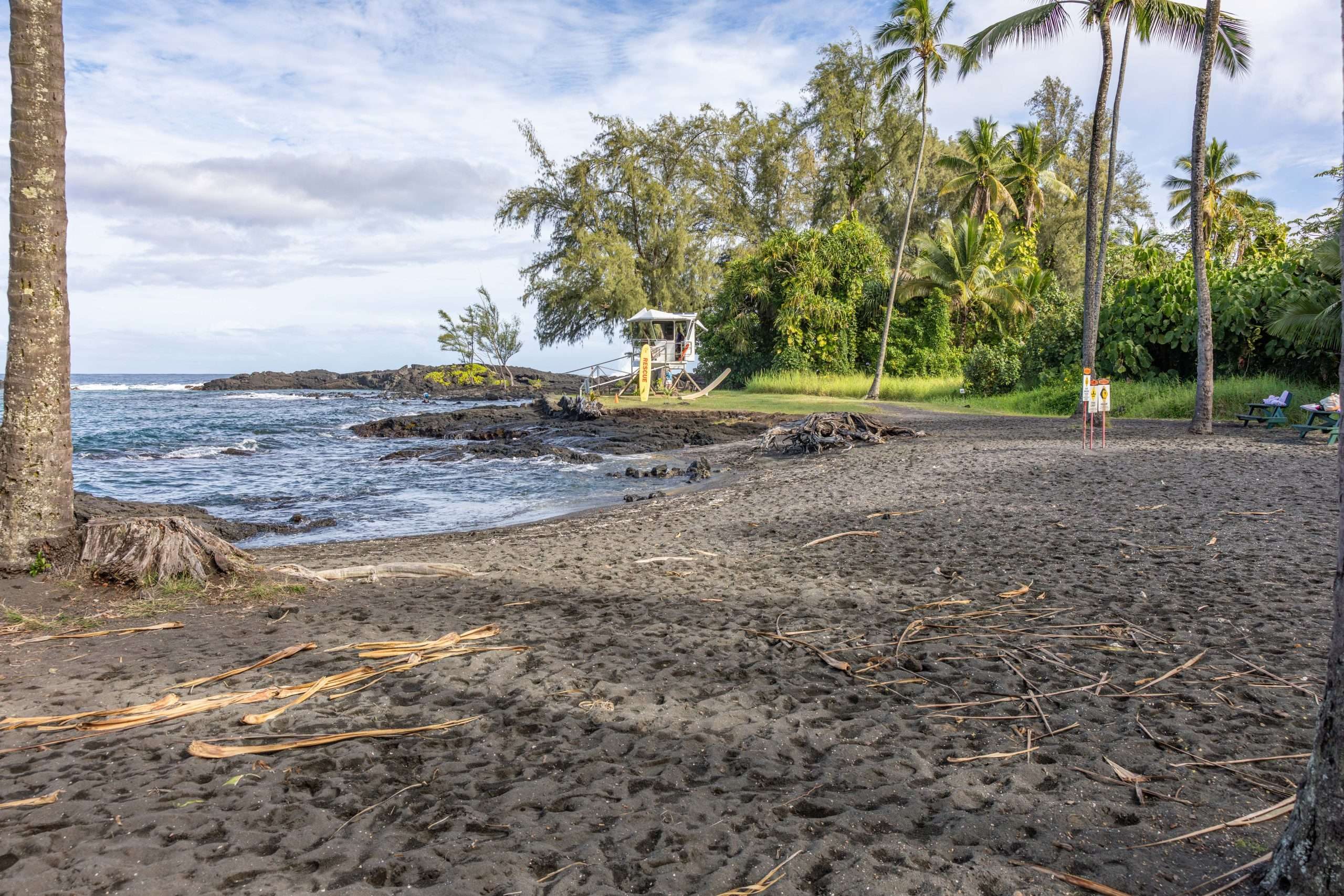
Kona Sun or Hilo Mist: Decoding the Island’s Two Personalities to Choose Your Perfect Base
Choosing a home base comes down to a realistic Kona versus Hilo comparison. Think of Big Island Hawaii as having two distinct personalities separated by massive central mountains. This towering volcanic divide creates a dramatic weather boundary dictating your daily itinerary. Use this as a mini Kona Hawaii travel guide to decide where to stay, eat, and plan beach time.
Trade winds push moisture from the east, but these mountain giants block the clouds, creating a “rain shadow” out west. This keeps Kona perpetually sun-drenched. Consequently, travelers flock to this leeward coast for reliable resort lounging and beach days.
Conversely, the windward east catches all that rainfall, transforming Hilo into a lush world of tropical gardens and historic charm. Since driving between hubs takes over two hours, splitting your vacation time prevents exhausting commutes while helping you comfortably reach the island’s best locations and the best places to visit Big Island Hawaii.
Regardless of whether you prefer dry sand or misty jungles, both coasts serve as essential gateways. Eventually, the winding roads from either side will pull you south toward a dramatic landscape defined by active volcanic activity.
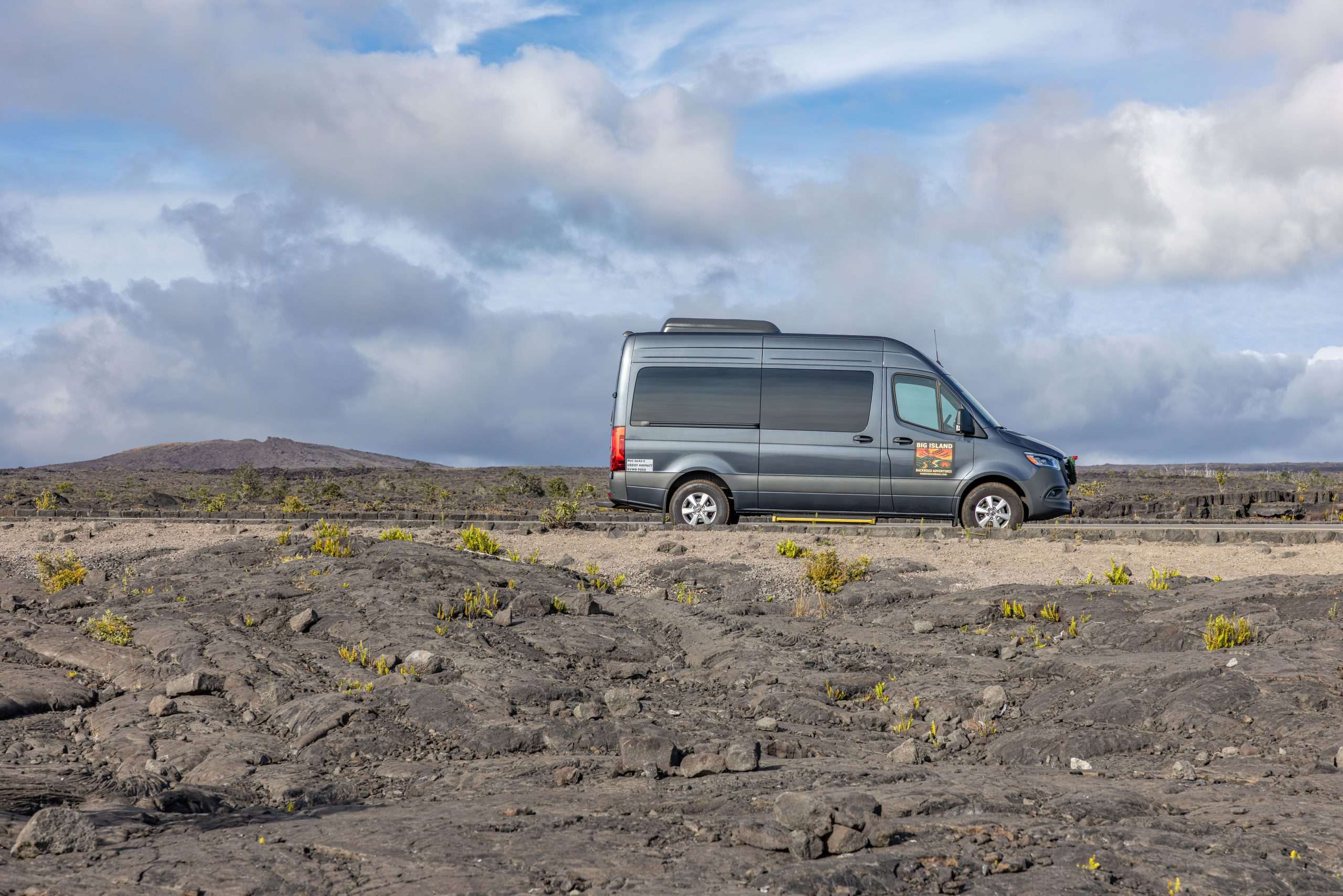
Walking Through a Volcanic Construction Site: A Strategy for Exploring Hawaii Volcanoes National Park
Stepping into this active geological construction site feels like landing on another planet. Because the park sits at a 4,000-foot elevation, the crisp mountain air catches many visitors off guard. Pack warm layers to comfortably explore these gentle, sloping giants known as shield volcanoes. Hawaii Volcanoes National Park is also among the best places to visit Big Island Hawaii for anyone fascinated by geology.
To witness this earth-building process efficiently, prioritize these Hawaii Volcanoes National Park highlights:
- Kīlauea Iki Overlook: Peer into a massive crater that was once a bubbling lava lake.
- Nāhuku (Thurston Lava Tube): Walk through a cavern formed when an outer crust cooled, allowing an insulated river of molten rock to hollow out an underground tunnel.
- Chain of Craters Road: Drive past stark landscapes where historic flows froze exactly as they buried the old highway.
Exploring these shifting terrains easily ranks among the top experiences on Hawaii Island. Always stick to marked trails, as this living museum features unseen thermal vents and sharp cinders requiring sturdy closed-toe shoes.
After a day bundled up amidst ancient craters and hardened black rock, you might crave a dramatic shift in scenery. Trading the cool volcanic heights for the warm leeward coast invites you to swap hiking boots for fins and discover the vibrant ecosystems beneath the waves.
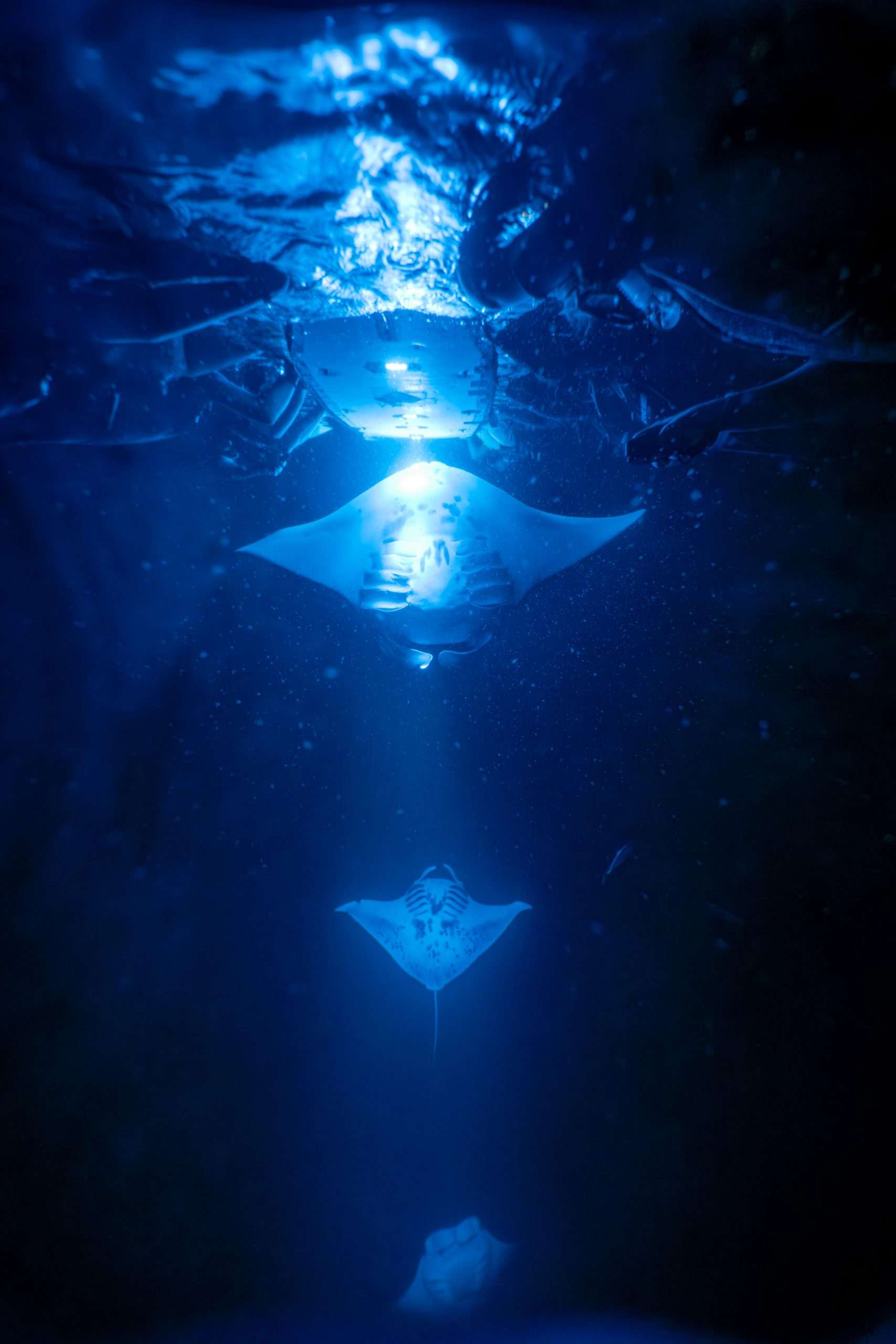
Under the Surface: Navigating the World-Class Snorkeling and Manta Ray Encounters of the West Coast
Trading solid black lava for a turquoise underwater world easily ranks among the best activities in Big Island Hawaii. However, stepping into the ocean requires a “guest in a home” mindset to preserve this delicate ecosystem. Always apply mineral-based, reef-safe sunscreen before you swim, and remember to never stand on or touch the fragile coral structures beneath you.
Matching your comfort level to the right location ensures a safe, rewarding experience at the top-rated snorkeling beaches:
- Kahalu’u Beach Park: A shallow, protected cove that serves as the perfect training ground for beginners.
- Honaunau Bay (Two Step): Ideal for intermediate swimmers seeking deeper waters and bustling fish habitats.
- Kealakekua Bay: An advanced, expansive spot best accessed by guided boat or kayak.
When the sun sets, a new spectacle begins. Plankton drawn to underwater lights attract gentle, sweeping creatures, making swimming with manta rays in Kona an unforgettable nocturnal ballet. The strict conservation protocol is simple: float completely flat on the surface and never reach out to touch them. Having witnessed this vibrant marine life, your next adventure points toward striking geographic extremes: the vertical journey upward to Mauna Kea’s heights and downward to Punalu’u’s inky sands.
The Vertical Journey: Preparing for Mauna Kea’s Heights and Punalu’u’s Inky Sands
Traveling from tropical coasts to the 13,803-foot summit of Mauna Kea is like driving to the Arctic in two hours. This rapid elevation gain easily triggers altitude sickness, making pacing and hydration essential. Researching stargazing tours and requirements is highly recommended, as rental car companies universally prohibit standard vehicles on the steep, unpaved summit roads.
Native Hawaiians consider this high-altitude realm a deeply revered space, introducing visitors to the concept of kapu, or cultural sacredness. Approaching the mountain requires deep respect, where you remain quiet, stay on marked paths, and avoid disturbing the landscape.
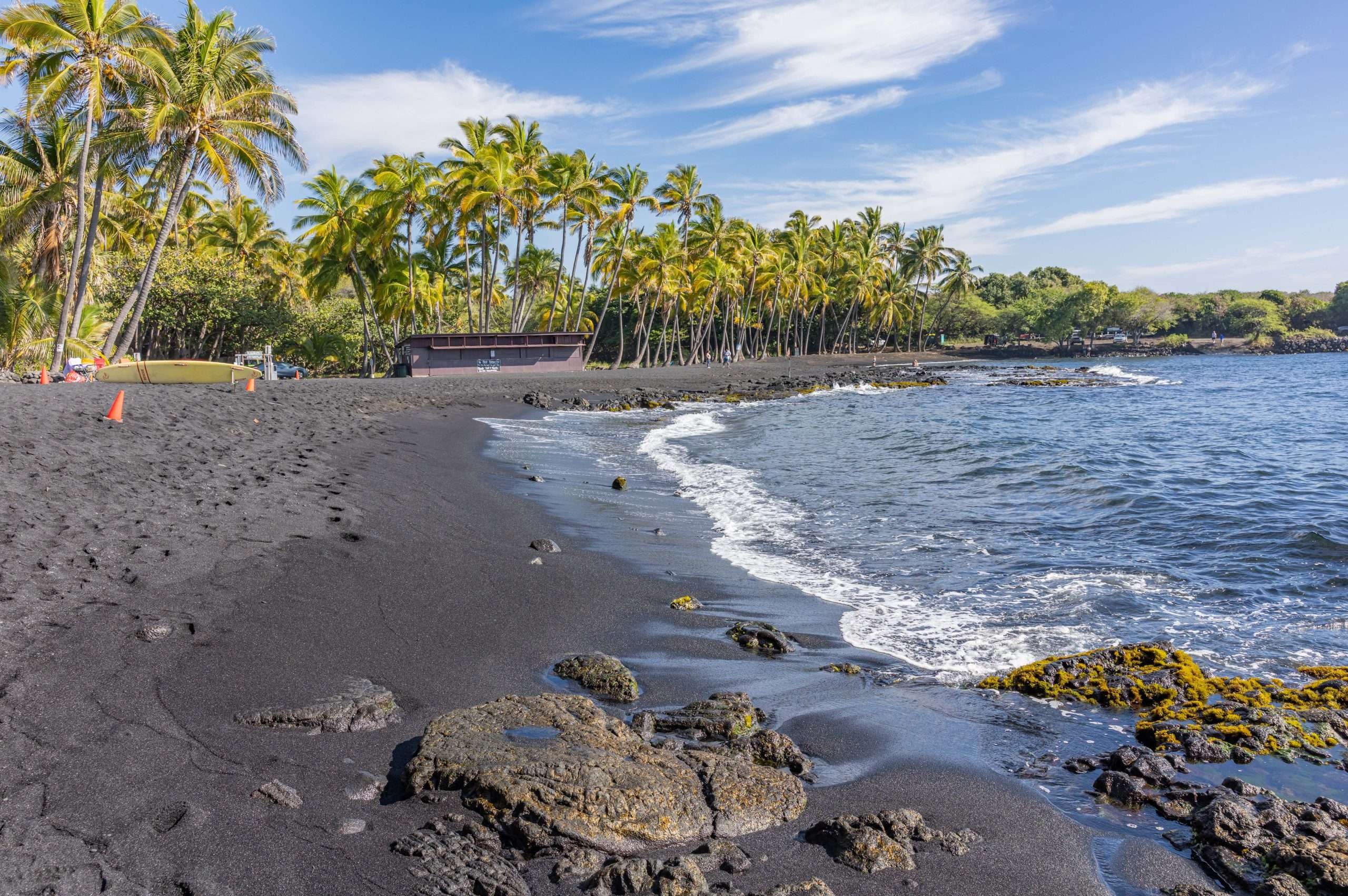
Down at sea level, that same respect applies when visiting Punalu’u black sand beach, a geological standout on the island. Because the inky shoreline consists of finite, shattered lava glass, removing even a handful of sand is ecologically harmful and culturally discouraged. Having conquered these vertical extremes, the next step is navigating the vast spaces between them.
The 250-Mile Journey: Building a Stress-Free Itinerary Across 11 Diverse Climate Zones
For Big Island Hawaii travel, the secret to deciding how many days to spend on the island lies in minimizing drive times. Build a zone-based itinerary spanning five to seven days, splitting nights between sunny Kona and lush Hilo to prevent exhausting daily backtracking.
Successfully navigating the diverse climate zones of Hawaii Island requires “microclimate packing.” You might leave a hot beach and enter a chilly rainforest within an hour, so always bring:
- Essential road trip gear: light puffer jacket, waterproof hiking shoes, offline GPS maps, and 1.5 liters of water per person.
Cell service frequently vanishes here, which completely changes how you plan a road trip. With pre-downloaded routes securing your way, you are ready to fully embrace the island’s spirit and the best places to visit Big Island Hawaii without rushing.
Living the Aloha Spirit: A Respectful and Transformative Journey
By viewing this massive destination as a living landscape requiring a slow-travel approach, you unlock its true value. Adopting a split-stay strategy between Kona and Hilo positions you to embrace authentic experiences without the exhaustion of endless transit. Treat the land, its people, and its vibrant culture with the reverence they deserve, and your journey across these eleven climate zones will be nothing short of transformative. Whether your Big Island Hawaii vacation centers on beaches, mountains, or culture, these Hawaii Island experiences make Big Island Hawaii feel expansive yet intimate—ideal for anyone Exploring the Best of Big Island.
Frequently Asked Questions
Question: Should I base myself in Kona or Hilo—and why do people recommend a split stay?
Short answer: Think of the island as two distinct personalities divided by massive mountains. Kona, in the west, sits in a sunny “rain shadow,” making it ideal for reliable beach days and resort time. Hilo, in the east, catches the trade-wind moisture, so it’s lush, garden-like, and historic. Because driving between hubs takes over two hours, splitting your time between Kona and Hilo minimizes long daily commutes and gives you easy access to highlights on both coasts.
Question: How many days do I need, and how should I plan around the island’s size and climate zones?
Short answer: Aim for a five-to-seven-day, zone-based itinerary that favors depth over distance. Big Island is vast and spans 11 climate zones, so plan days by region and split nights between sunny Kona and rain-kissed Hilo to avoid backtracking. Cell service can vanish—pre-download GPS maps—and pack for microclimates: a light puffer, waterproof hiking shoes, and at least 1.5 liters of water per person. Slowing down is key to a memorable, low-stress trip.
Question: What are the must-see stops and safety tips for Hawaii Volcanoes National Park?
Short answer: The park sits around 4,000 feet, so bring warm layers and sturdy, closed-toe shoes. Prioritize Kīlauea Iki Overlook, Nāhuku (Thurston Lava Tube), and the stark landscapes along Chain of Craters Road. Stay on marked trails—this “living construction site” hides thermal vents and sharp cinders—and expect conditions to shift quickly with elevation.
Question: Where should I snorkel on the west coast, and what’s the proper manta ray etiquette?
Short answer: Match sites to your comfort level: Kahaluʻu Beach Park (beginner-friendly, protected), Honaunau Bay/Two Step (intermediate depth and fish life), and Kealakekua Bay (advanced—best by guided boat or kayak). Treat the ocean like someone’s home: use mineral-based reef-safe sunscreen, never stand on or touch coral, and during Kona’s nighttime manta experience, float flat on the surface and do not reach out to touch them.
Question: What should I know about visiting Mauna Kea and Punaluʻu Black Sand Beach?
Short answer: Mauna Kea’s 13,803-foot summit can trigger altitude sickness—pace yourself, hydrate, and consider guided stargazing since standard rental cars are prohibited on the steep, unpaved summit road. The summit area is culturally sacred (kapu): be respectful, stay on paths, keep voices low, and avoid disturbing the landscape. At Punaluʻu, the striking black sand is finite—don’t remove any sand, and treat the shoreline with the same cultural and ecological care.