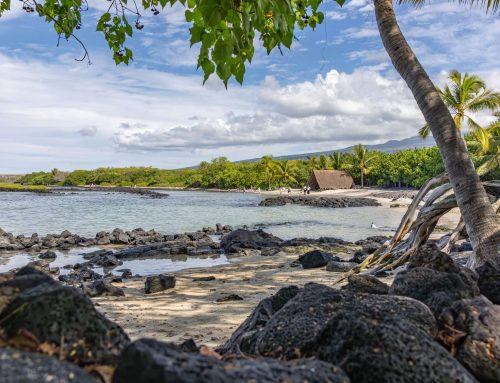
Hawaii Volcanoes National Park offers one of the most dynamic landscapes on Earth. Visitors experience raw volcanic power, lush rainforest, and deep cultural history in one place. The park spans massive terrain, so planning ahead helps you maximize your time.
This destination attracts travelers who crave adventure, education, and unforgettable scenery. Many visitors explore independently, while others join guided experiences led by experts who understand the land and its stories.
Below are the top things to do inside Hawaii Volcanoes National Park, with practical tips to help you enjoy every stop.
1. Drive the Crater Rim Drive Loop
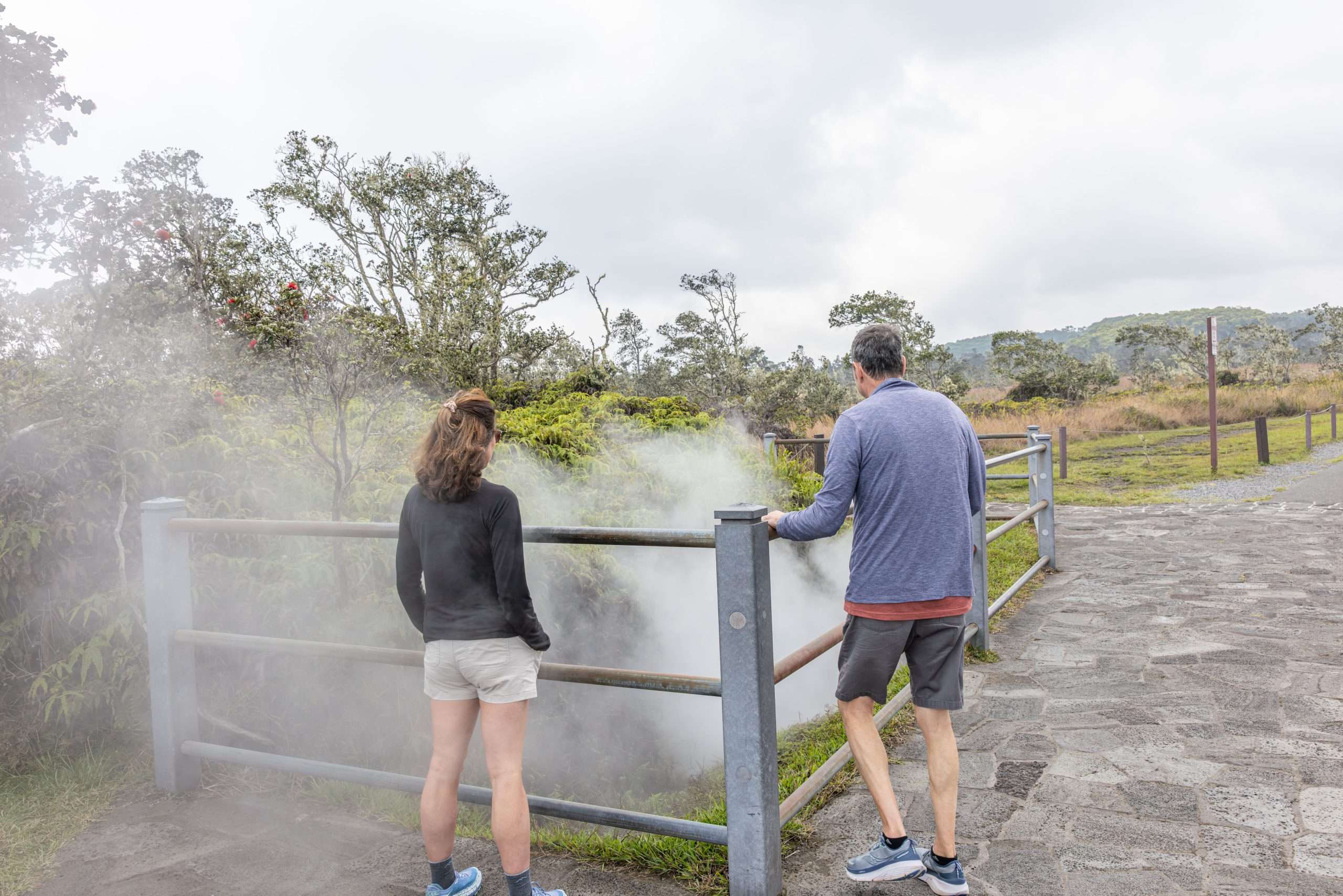
Crater Rim Drive gives you immediate access to some of the park’s most iconic features. This scenic route circles the Kīlauea caldera and connects multiple overlooks and trailheads.
You can stop frequently to take photos, stretch your legs, and explore short walks. Steam vents, crater views, and lava fields appear along the route.
Plan at least half a day for this drive if you want to explore each stop.
2. Explore Kīlauea Iki Trail
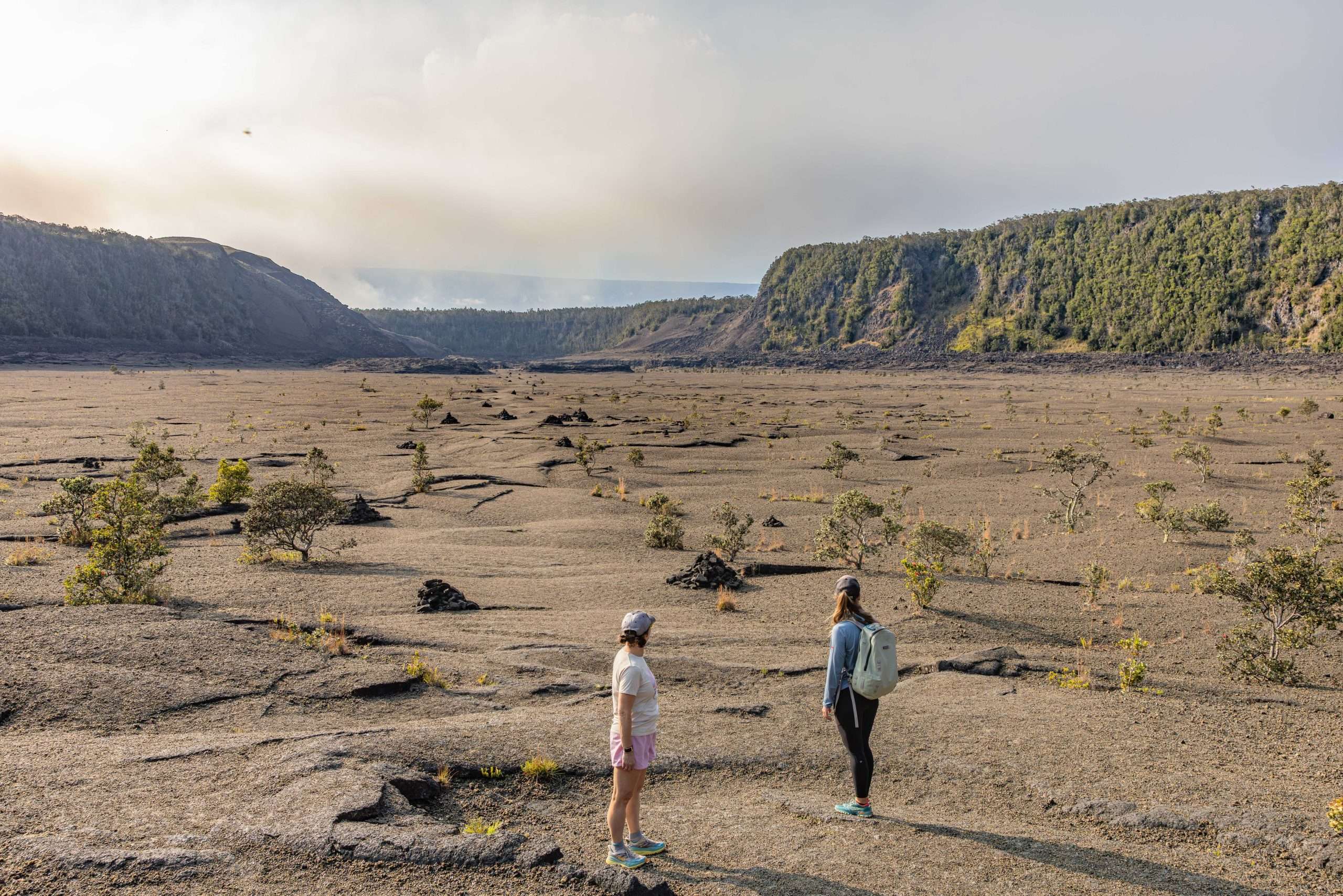
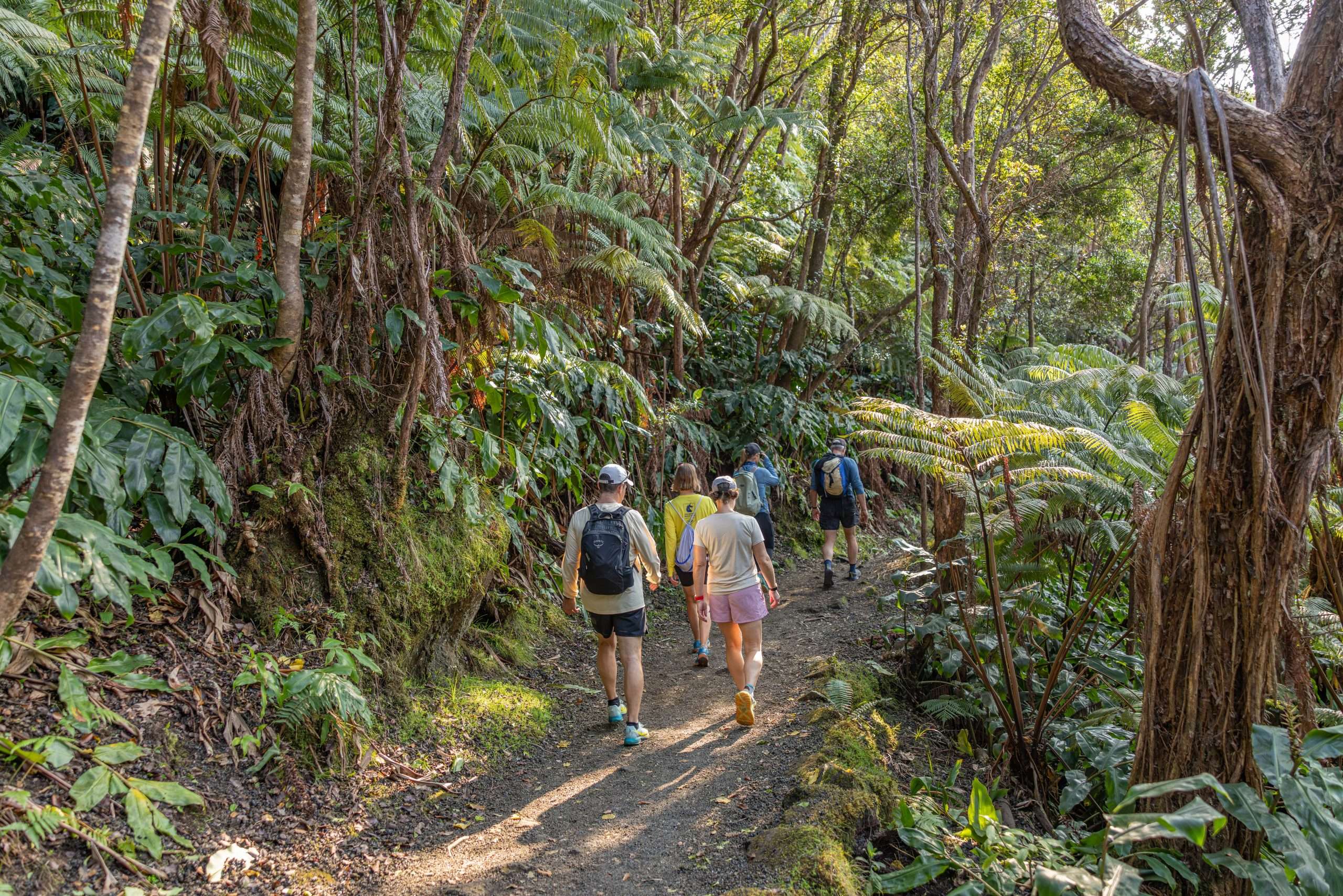
Kīlauea Iki Trail delivers one of the most immersive hiking experiences in the park. You descend through rainforest and step onto a hardened lava lake.
The terrain feels otherworldly. Steam still rises from cracks in the ground, reminding you that volcanic activity continues below.
Wear sturdy shoes and bring water, since the exposed lava section gets hot.
3. Visit the Kīlauea Visitor Center
The visitor center helps you understand the science and cultural significance of the park. Rangers share updates about volcanic activity, trail conditions, and safety.
Inside, you’ll find exhibits that explain how the Hawaiian Islands formed. You also learn about Pele, the Hawaiian goddess of volcanoes. Stop here early in your visit to plan your route effectively.
4. Walk Through Thurston Lava Tube (Nāhuku)
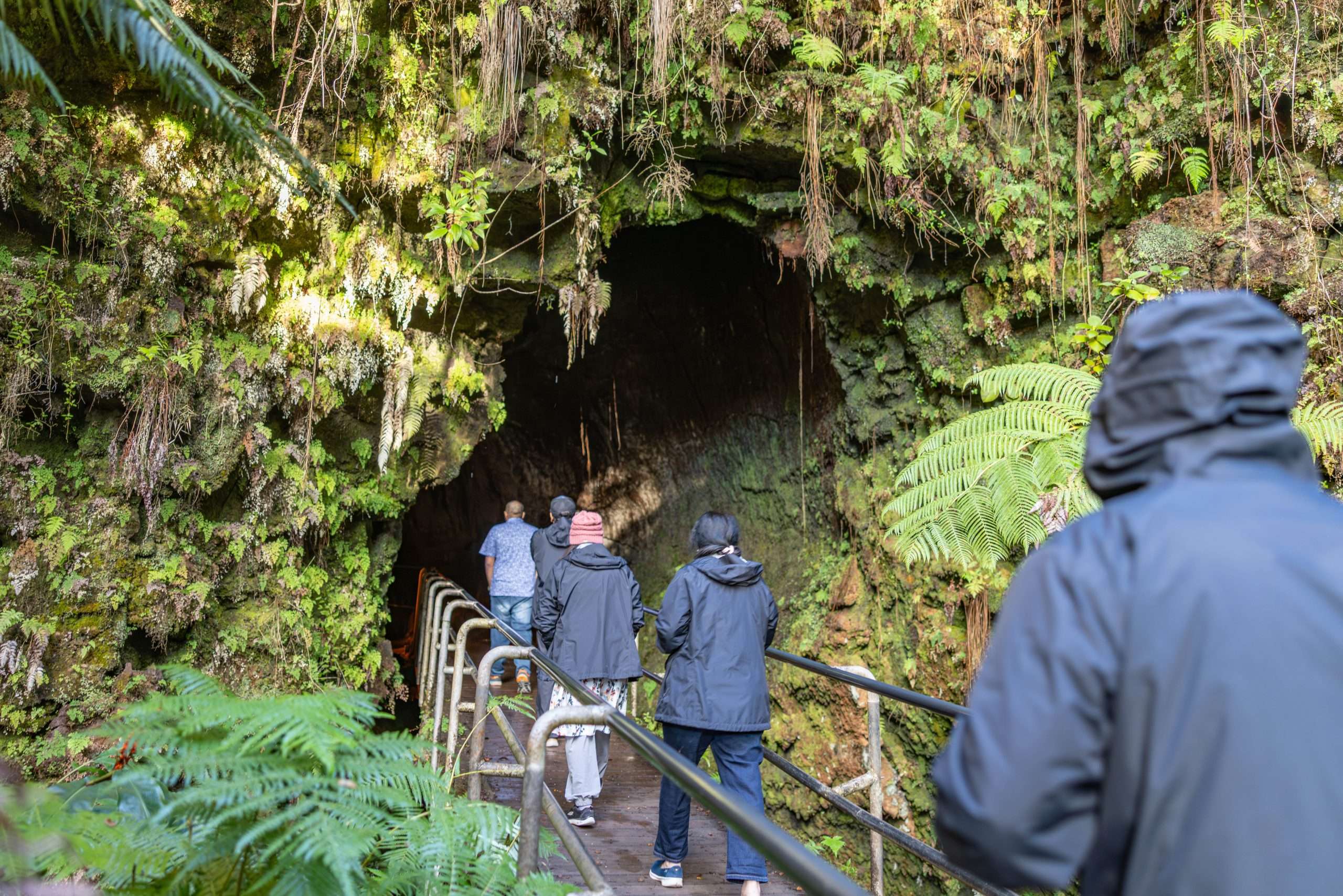
Nāhuku, also known as Thurston Lava Tube, allows you to walk through a cave formed by flowing lava. The path leads through a lush rainforest before entering the tube.
Inside, cool air and dim lighting create a completely different environment from the surrounding landscape. Visit early in the morning or later in the evening to avoid crowds.
5. Witness Halemaʻumaʻu Crater
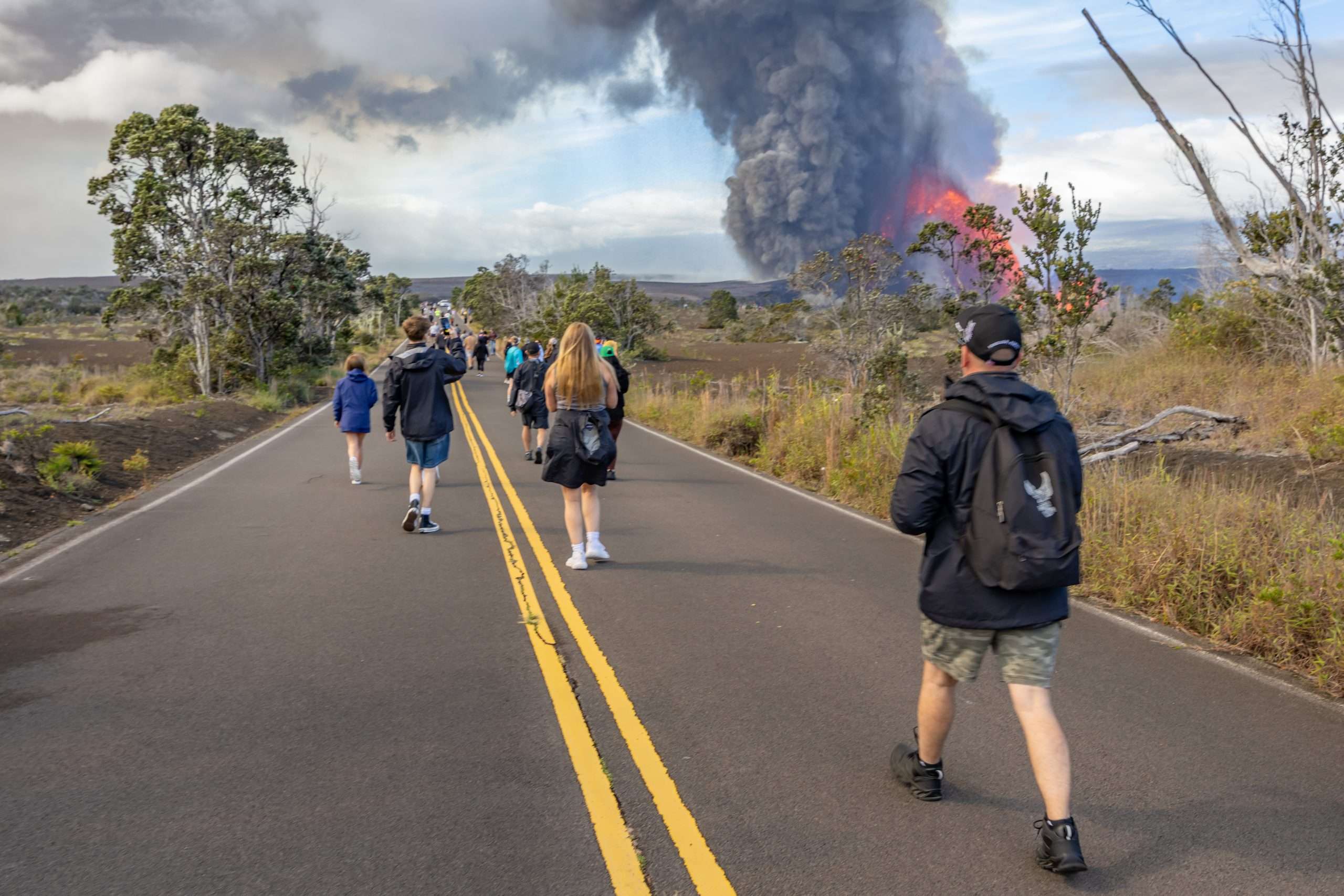
Halemaʻumaʻu Crater sits within the Kīlauea caldera and often shows visible volcanic activity. You might see steam, glowing lava, or shifting terrain depending on current conditions.
Viewing areas along Crater Rim Drive provide safe access to the crater. Make sure to check current updates before visiting, since conditions change frequently.
6. Drive Chain of Craters Road
Chain of Craters Road takes you from volcanic highlands down to the coast. The drive showcases dramatic changes in elevation and landscape.
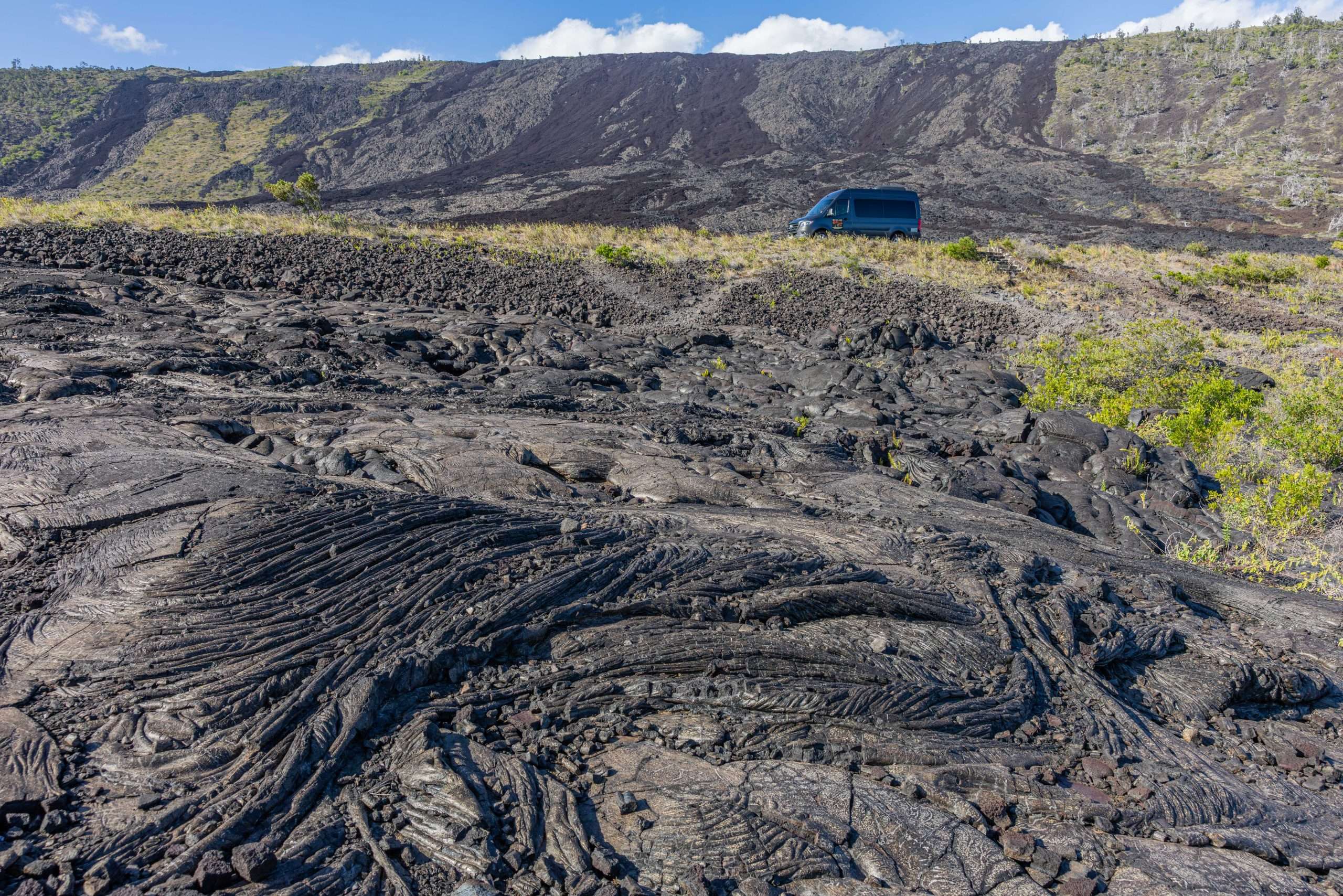
You pass lava flows from different eruptions, each with unique textures and colors. The road ends near the ocean, where lava has reshaped the coastline. Plan extra time for stops along the way.
7. Hike Devastation Trail
Devastation Trail shows the impact of past eruptions in a short, accessible hike. The paved path leads through a stark landscape shaped by volcanic fallout.
You’ll see how plant life slowly returns after destruction. Interpretive signs explain the eruption that created this area.
This trail works well for visitors who want a shorter walk with strong visual impact.
8. Experience Sulphur Banks (Haʻakulamanu)
Sulphur Banks offers a close look at volcanic gases escaping from the earth. The area features colorful mineral deposits and steaming vents.
The smell of sulfur fills the air, which adds to the sensory experience. A short boardwalk trail makes this stop easy to access. Be sure to stay on marked paths for safety.
9. Visit Puʻuloa Petroglyphs
Puʻuloa Petroglyphs connects you to ancient Hawaiian culture. This site contains thousands of carvings etched into hardened lava.
The petroglyphs represent journeys, births, and important events. Walking this trail gives you a deeper appreciation of the people who lived here long before modern visitors.
Please respect the site by observing the beauty of it without touching.

10. Watch the Coastline at Hōlei Sea Arch
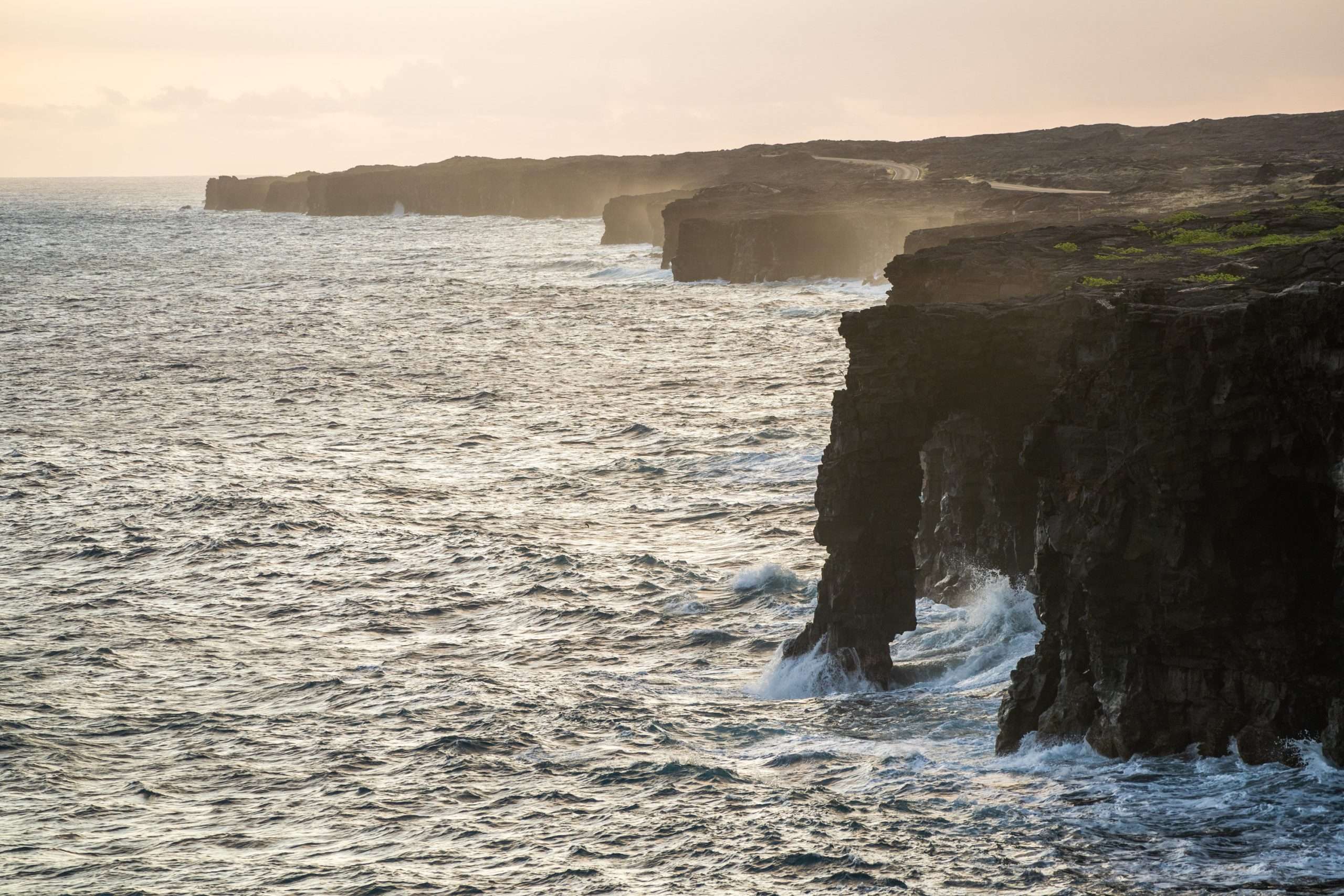
Hōlei Sea Arch stands as a dramatic example of ocean and lava interaction. Waves continue to shape the arch, which may eventually collapse.
The viewpoint sits at the end of Chain of Craters Road. The surrounding cliffs and ocean views create a powerful final stop.
Bring a camera, since lighting conditions often create stunning visuals.
Planning Tips for Your Visit
Preparation makes a major difference when visiting Hawaii Volcanoes National Park. Conditions can shift quickly, so flexibility helps.
Here are essential tips to keep in mind:
- Wear closed-toe hiking shoes with good grip
- Bring plenty of water and sun protection
- Check volcanic activity updates before arrival
- Start early to avoid crowds and heat
- Respect cultural sites and stay on marked trails
These simple steps help you stay safe and comfortable while exploring.
When to Visit Hawaii Volcanoes National Park
You can visit the park year-round, but conditions vary by time of day. Mornings offer cooler temperatures and clearer skies.
Afternoons often bring clouds or rain, especially in higher elevations. Evening visits provide the best chance to see glowing lava if activity occurs.
Choose your timing based on what you want to experience.
Why Guided Experiences Add Value
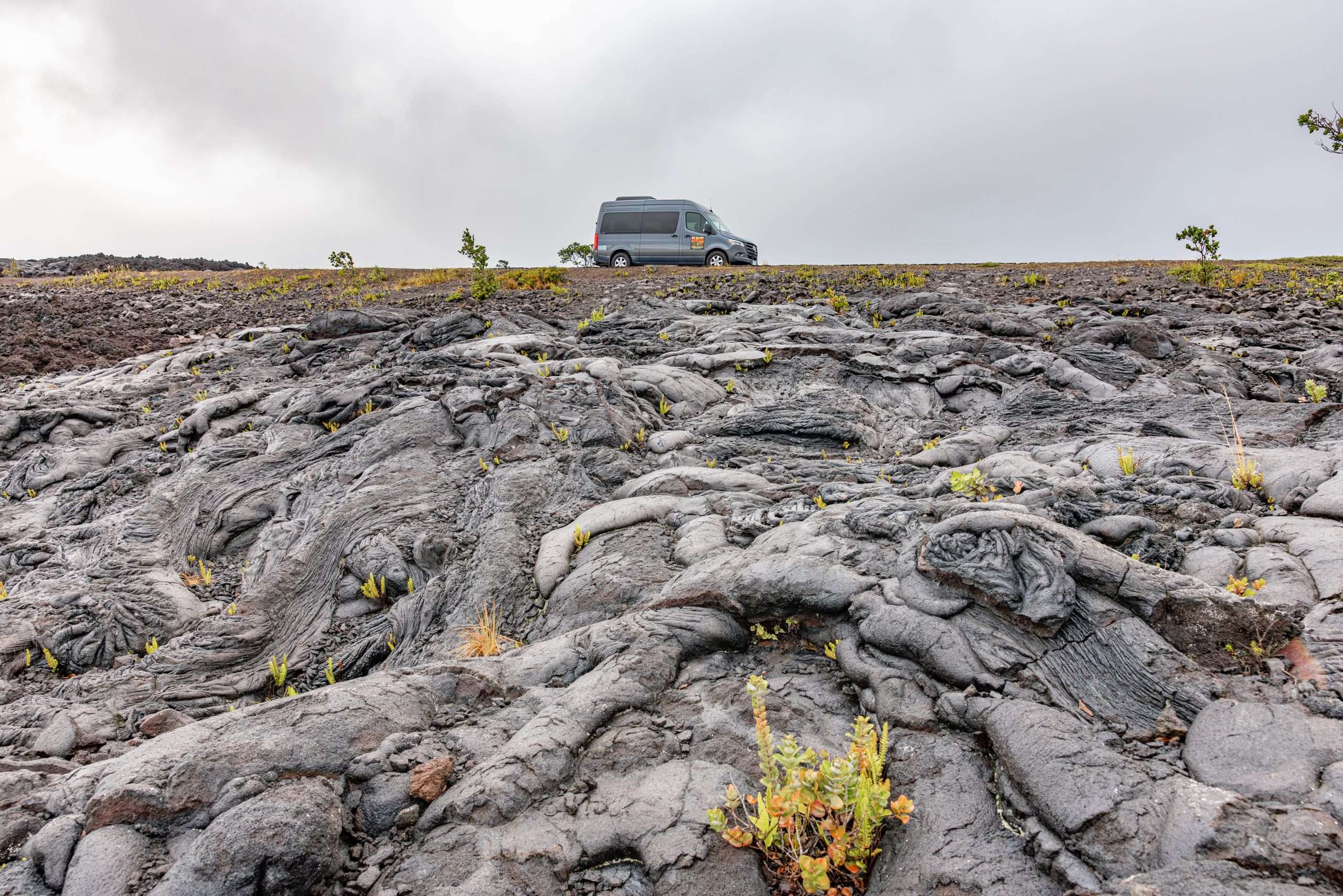
While you can explore independently, guided tours provide deeper insight into the park. Local experts explain geology, history, and cultural significance in ways that signs cannot.
Many travelers choose Hawaii adventure tours to volcano Kīlauea to gain access to hidden viewpoints and expert interpretation. These experiences often include transportation, making logistics easier.
Guided tours work especially well for first-time visitors.
What Makes This Park Unique
Hawaii Volcanoes National Park stands apart from other national parks because it actively changes. Lava flows reshape the land, and new formations appear over time.
The park also holds deep cultural importance. Hawaiian traditions connect closely to the land, especially volcanic regions tied to Pele.
Visitors experience both natural power and cultural depth in one destination.
Plan Your Trip Today!
Hawaii Volcanoes National Park offers an unmatched combination of adventure, education, and natural beauty. Every stop reveals a different side of the island, from active craters to ancient carvings.
Travelers who plan ahead and stay curious get the most from their visit. Whether you hike across lava fields or take in scenic overlooks, the experience stays with you long after you leave.
For travelers who love the outdoors and want to understand Hawaii on a deeper level, this destination delivers on every level.