


A national park can turn a standard trip into a more memorable, better-balanced vacation. It gives you space to slow down, move your body, learn something real about a place, and come home with stories that do not feel copied from every other itinerary. For travelers considering Hawaii, Hawaii Volcanoes National Park on the Big Island is a powerful example because Kilauea volcano adds drama, culture, geology, and flexibility to a national park getaway.
Why should a national park vacation be part of your trip?
A national park vacation works because it gives structure to your time without making the trip feel overplanned. You can anchor one or two days around scenic drives, short hikes, overlooks, ranger programs, or quiet picnic stops, then build the rest of the vacation around meals, beaches, cultural visits, or rest. For busy professionals, that structure saves planning time. For retirees, it creates an easy pace with room to choose lighter or deeper activities each day.
National parks also help a trip feel connected to the destination. Instead of only passing through resort areas or busy town centers, you spend time with the landscape itself. In national parks in Hawaii, that might mean rainforest, lava fields, steam vents, petroglyphs, crater views, native birds, and coastal roads shaped by volcanic force.
A good nature travel guide or travel planner can make this even smoother by matching the park experience to your schedule, mobility, interests, and comfort level. Some travelers want a full hiking day. Others want a scenic route with short walks, clean rest stops, and a strong lunch plan. Both are valid.
Kilauea shows why parks can feel unforgettable
Kilauea is one of the main reasons travelers add Hawaii Volcanoes National Park to a Big Island itinerary. The park protects a living volcanic landscape where the ground, air, and horizon can all remind you that the island is still changing. As of October 9, 2026, the USGS listed Kilauea at Volcano Alert Level WATCH and Aviation Color Code ORANGE, noting high summit pressurization and the possibility of renewed fountaining, intrusion, or eruption in the summit region in coming days to weeks. (usgs.gov)
That current status is exactly why planning matters. A Kilauea eruption can be spectacular, but volcanic activity is episodic and conditions can shift quickly. The National Park Service notes that recent Kilauea activity has been intermittent within Halemaʻumaʻu crater, with eruptions separated by pauses that may last days or weeks, so visitors should check webcams and USGS updates before going. (nps.gov)
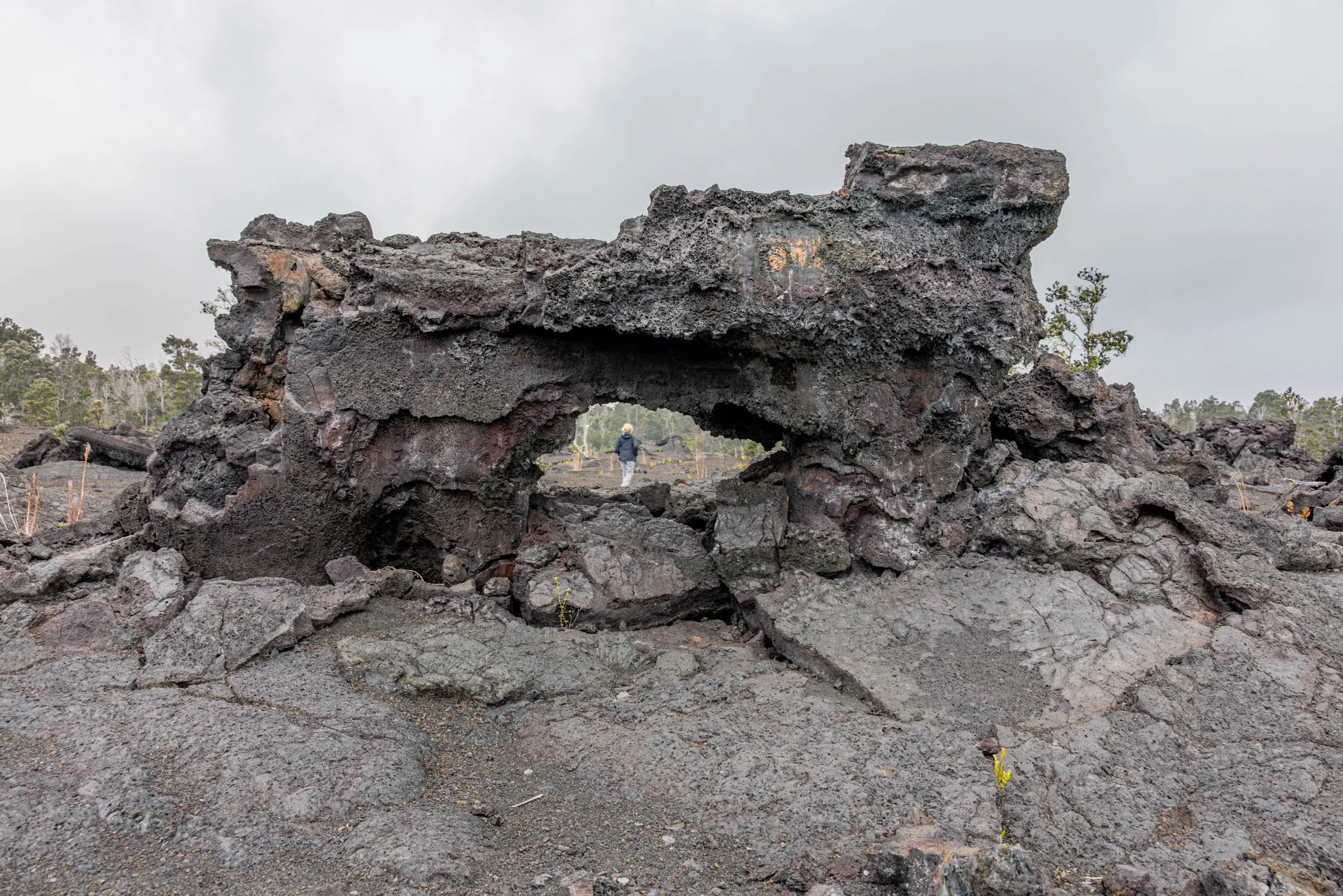
Even when lava hawaii viewing is limited or paused, the park still has depth. You can walk through older lava landscapes, visit Nāhuku lava tube when open, drive sections of Chain of Craters Road, stop at steam vents, and look across Kaluapele, the Kilauea caldera. The experience is not only about seeing red lava. It is about understanding how the island was made and how people live with a powerful natural force.
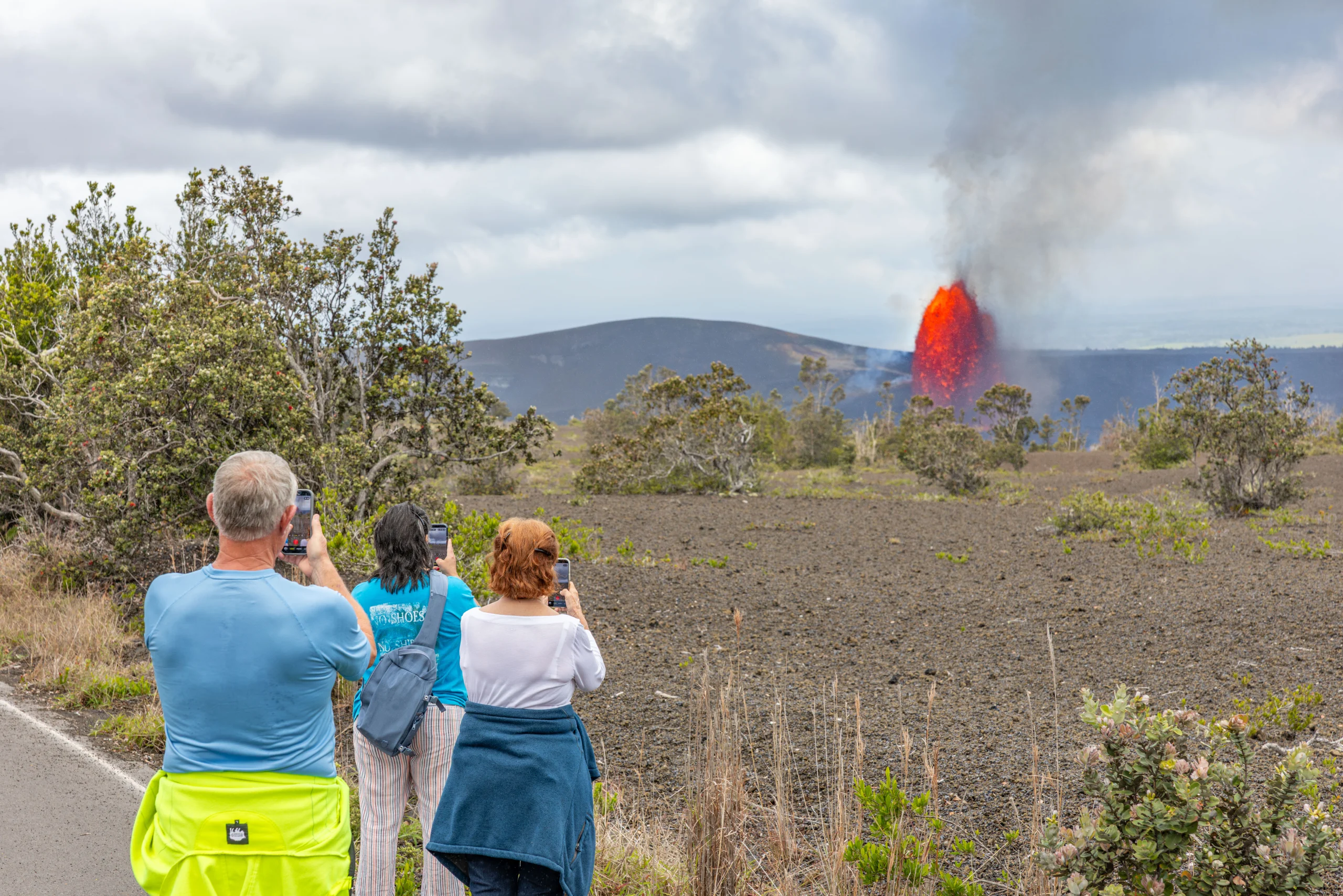
Where can you see lava in Hawaii safely?
The safest answer to where to see lava in Hawaii is: from open, official viewing areas, only when lava is visible, and only after checking the day’s park and USGS updates. The National Park Service says the active eruption area is closed because of hazards, but safe open viewpoints along the caldera rim may offer viewing when conditions allow; lava can be visible from overlooks along Crater Rim Drive, though fog, rain, pauses, crowds, and closures can affect the experience. (nps.gov)
For many visitors, the best plan is to treat big island lava viewing as a possibility, not a promise. If the volcano is active, nighttime or pre-dawn viewing may reveal glow, lava fountains, or movement inside the crater. If Kilauea is in a pause, the same overlook may offer a quiet crater view rather than molten lava. Both can be meaningful, but they require different expectations.
Do not follow unofficial directions, social media rumors, or roadside crowds into closed areas. Recent and active lava surfaces can be unstable, sharp, and extremely hot, while volcanic gas, falling tephra, cracks, cliff edges, and rockfalls create serious risks. USGS highlights volcanic gas, tephra, lava flows, earthquakes, ground cracks, and caldera wall instability among the hazards around Kilauea. (usgs.gov)
Practical reasons parks improve a vacation
Adding a park day can make the whole trip feel more balanced. It breaks up shopping, dining, long drives, and beach time with fresh air and active discovery. It also gives different travelers in the same group something to enjoy.
For a family, volcanoes national park experiences can turn science into something children can see. For couples, it offers quiet overlooks and shared wonder. For solo travelers, it provides a clear, safe framework for exploring with maps, rangers, trails, and visitor information. For retirees, it can be shaped around shorter walks, scenic stops, and more time at each viewpoint.
A national park getaway also helps with decision fatigue. Instead of asking, “What should we do today?” you can choose from a focused set of options:
- Scenic drive: Best for limited time, mixed mobility, or a relaxed first visit.
- Short walks: Good for travelers who want fresh air without a strenuous hike.
- Ranger programs: Useful for context, culture, and geology without heavy research.
- Sunrise or sunset viewing: Ideal for photography and softer temperatures.
- Longer hikes: Best for active travelers with proper gear and flexible timing.
- Cultural stops: Important for understanding that these landscapes hold deep meaning, not just scenic value.

Planning keeps the experience stress-free
A park visit feels easy when the details are handled before the day begins. Hawaii Volcanoes National Park charges entry fees, with a standard pass listed by NPS at $15 to $30 and a private vehicle pass listed at $30; the park also notes that it does not accept cash, so visitors should be ready with a card or valid pass. (nps.gov)
If you plan to visit more than one Hawaii park site, compare pass options before buying. The Hawaii Tri-Park Annual Pass covers Hawaii Volcanoes National Park, Haleakalā National Park, and Puʻuhonua o Hōnaunau National Historical Park for eligible visitors, while America the Beautiful passes may fit travelers visiting multiple federal recreation sites. (nps.gov)
For travelers with limited vacation time, the smartest move is to decide what kind of day you want before choosing stops. A rushed “see everything” plan can turn a beautiful park into a checklist. A better itinerary might include one major viewpoint, one short trail, one cultural or geology stop, one meal break, and one flexible window for eruption viewing if conditions are favorable.
A sample Kilauea-focused day
A personalized itinerary should fit your lodging, weather, energy, and current closures, but this sample shows how a balanced day can work.
- Start with current conditions. Before leaving, check official park alerts, USGS updates, webcams, air quality, and road or trail closures.
- Arrive with a simple first stop. Begin at the current visitor service area or welcome point so you can confirm maps, restrooms, ranger advice, and timing.
- Choose the caldera view that fits your group. If parking is tight, use a backup overlook rather than circling too long.
- Add one short walk. A lava tube, steam vent area, crater rim section, or paved overlook path can give texture without exhausting the day.
- Plan a real break. Bring water and snacks, and schedule lunch before everyone is tired.
- Return for evening glow if conditions support it. Night viewing can be rewarding during active phases, but it requires warm layers, headlamps, patience, and a safe drive back.
This type of plan works well because it protects the mood of the trip. You see the highlights, leave room for the unexpected, and avoid making every decision on the fly.

Safety is part of the experience
At an active volcanic park, safety is not a side note. It is what allows you to relax and enjoy the visit. On October 7, 2026, Hawaii Volcanoes National Park announced temporary closures of Halemaʻumaʻu Trail and part of Byron Ledge Trail because of inflation and increased seismicity at Kilauea summit, including shallow earthquakes and rockfall concerns. (nps.gov)
That does not mean travelers should avoid the park. It means they should respect closures and build flexible plans. A closed trail is not a failed day; it is a sign that the park is actively managing a changing landscape. Your itinerary should always include alternatives.
Pack with the same care you would bring to a full outdoor day, even if you expect mostly scenic stops:
- Sturdy closed-toe shoes for uneven lava rock and wet paths
- Water, snacks, and any personal medications
- Rain jacket and warm layer, especially for evening viewing
- Sun protection, including hat, sunglasses, and sunscreen
- Headlamp or flashlight for low-light stops
- Binoculars for viewing distant lava or crater details
- Dust mask and eye protection if tephra or poor air quality is possible
- Offline maps or downloaded park information
- Phone charger or power bank
- Patience for parking, weather, and changing volcanic conditions
Travelers with asthma, heart concerns, mobility limits, or sensitivity to vog should be especially cautious and should choose viewpoints, timing, and exertion level with care.
National parks add meaning beyond sightseeing
A strong vacation is not only about what you see. It is also about how the place makes you feel and what you understand afterward. In Hawaii Volcanoes National Park, the meaning is layered: natural history, Native Hawaiian cultural significance, conservation, geology, climate, and the daily reality of living near active volcanoes.
The National Park Service reminds visitors that Kilauea holds sacred importance in Hawaii and encourages respectful viewing, quiet behavior, and learning about the cultural significance of the land to Native Hawaiians. (nps.gov) That perspective changes the visit. The crater is not just a dramatic backdrop. It is part of a living cultural landscape.
This is one reason a planned tour or custom itinerary can be valuable. A good plan does not simply move you from stop to stop. It helps you understand what you are seeing, choose the right pace, and avoid treating the park like a photo opportunity only.
The best park trip fits your travel style
The best national park vacation is not the longest, hardest, or most packed. It is the one that matches the traveler. A busy professional may want a highly efficient route from a resort base, with private transportation, dinner reservations, and no wasted time. A retiree may prefer two shorter park visits instead of one long day, with more rest, fewer stairs, and time to sit at overlooks.
Consider these planning styles:
| Travel style | Best park approach |
|---|---|
| Limited time | – Half-day route with top viewpoints and one short walk |
| Relaxed pace | – Full day with long breaks, scenic drives, and flexible stops |
| Active traveler | – Longer trails, early start, and backup routes for closures |
| Family trip | – Short walks, ranger learning, snacks, and clear restroom planning |
| Photography focus | – Sunrise, sunset, night glow possibilities, and weather flexibility |
| Culture-focused trip | – Guided interpretation, respectful viewing, and historic context |
This is where expert planning saves time. Instead of sorting through dozens of maps, alerts, reviews, and route ideas, you can start with your interests and build the park day around them.
Add the park, but keep the whole vacation in view
A national park should enhance your vacation, not consume it unless that is your goal. On the Big Island, Hawaii Volcanoes National Park pairs well with black sand beaches, coffee country, coastal drives, stargazing, farmers markets, waterfalls, and slow meals after a day outdoors. The contrast is part of the pleasure.
If Kilauea eruption viewing is a priority, stay flexible. Consider spending at least one night on the east or volcano side of the island, or plan a route that allows you to return if conditions improve. If lava is not visible, you can still have a rewarding day through crater views, lava fields, native forest, and cultural stops.
The key is to plan around what you can control: timing, transportation, gear, backup options, and comfort. Let the volcano decide the rest.
Plan a national park getaway with less stress
Adding a national park to your vacation plan gives the trip depth, movement, and a stronger sense of place. Hawaii Volcanoes National Park is especially compelling because Kilauea makes the landscape feel alive, but it also rewards travelers who prepare, stay flexible, and respect official guidance.
If you want the experience without spending hours comparing routes, closures, passes, and timing, choose a planned itinerary that matches your pace and interests. Whether you want a relaxed scenic day, a family-friendly volcano visit, or a carefully timed search for big island lava views, the right plan can make the park feel effortless.


