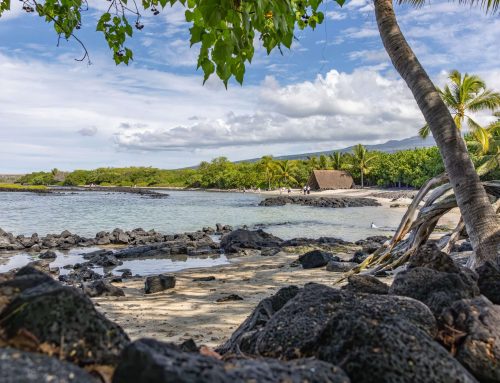
The Big Island of Hawaii offers dramatic volcanic landscapes, lush rainforests, black sand beaches, and vibrant Hawaiian culture. Travelers who plan ahead enjoy more time exploring and less time figuring out logistics after arrival. Summer brings warm weather, long daylight hours, and excellent opportunities for outdoor adventure.
Adventure travelers, nature lovers, and curious explorers often choose the Big Island for its diverse terrain and unique geological features. Local naturalists and guides help visitors understand the island’s ecosystems and cultural history while exploring these remarkable landscapes.
The following planning tips will help travelers organize an unforgettable summer trip to Hawaii’s largest island.
Choose the Best Time During Summer
Summer on the Big Island typically runs from May through September. Warm temperatures, sunny skies, and calmer ocean conditions create ideal travel conditions.
June and early July often bring slightly smaller crowds compared to peak August travel. Early summer visitors may also find better lodging availability.
Travelers who want fewer crowds should consider weekdays for major attractions like Hawaii Volcanoes National Park. Early morning visits also provide cooler temperatures for hiking and sightseeing.

Understand the Big Island’s Unique Geography
The island’s size surprises many first-time visitors. The Big Island covers more land area than all other Hawaiian islands combined.
Different regions feature dramatically different climates:
- Kona Coast: Dry, sunny, and ideal for beach days
- Hilo Side: Lush rainforests and frequent rainfall
- Volcano Region: Cooler temperatures and volcanic landscapes
- Waimea: Rolling green hills and ranch country
Travelers who understand these microclimates can pack smarter and plan activities efficiently.

Plan Your Volcanoes National Park Visit
Hawaii Volcanoes National Park ranks among the most unforgettable places in the Pacific. Active volcanic landscapes show the island’s constant geological evolution.
Visitors often explore highlights such as:
- Kīlauea Overlook
- Thurston Lava Tube
- Chain of Craters Road
- Devastation Trail
- Steam vents and sulfur banks
Early morning or sunset visits often create the most dramatic scenery. Cooler temperatures also make hiking far more comfortable during summer.
Guided educational tours also help visitors understand the island’s volcanic processes, ecology, and cultural significance.

Book Tours and Activities Early
Summer represents one of Hawaii’s busiest travel seasons. Popular activities can sell out days or even weeks in advance.
Advance reservations help travelers secure spots for sought-after experiences like snorkeling excursions, cultural tours, and volcano exploration. Many visitors also add a Big Island lava tour to their itinerary to safely explore volcanic landscapes while learning about the island’s geology. Early booking also allows travelers to build a smoother daily schedule.
Choose the Right Side of the Island to Stay
The Big Island offers several great areas for lodging, each with a different atmosphere.
Kona provides sunny beaches, resorts, and vibrant restaurants. Hilo offers lush scenery and easier access to waterfalls and rainforests.
Travelers interested in volcano exploration often stay closer to Hawaii Volcanoes National Park. Some visitors split their trip between Kona and Hilo to experience both sides of the island.
Location matters because travel between regions can take several hours.

Pack Smart for Adventure Travel
Summer travel on the Big Island includes beaches, hiking trails, volcanic terrain, and rainforest environments. Smart packing helps visitors stay comfortable throughout the trip.
Important items include:
- Comfortable hiking shoes with grip
- Reef-safe sunscreen
- Lightweight rain jacket
- Hat and sunglasses
- Refillable water bottle
- Daypack for excursions
Proper footwear remains especially important. Lava rock trails can feel sharp and uneven, so sturdy hiking shoes help protect your feet.
Respect Hawaiian Culture and Land
Hawaiian culture places deep respect on nature and sacred landscapes. Visitors who understand local customs create a more meaningful travel experience.
Many natural locations hold cultural significance for Native Hawaiians. Travelers should remain on designated trails, follow posted guidance, and avoid removing rocks or natural objects.
Learning about Hawaiian history and traditions also enriches time on the island. Cultural sites, historical parks, and educational tours provide deeper context about the people who shaped Hawaii.

Plan Outdoor Activities Early in the Day
Summer temperatures on the Big Island often rise throughout the afternoon. Morning excursions allow travelers to explore comfortably while enjoying clearer skies.
Many visitors schedule hiking, snorkeling, and volcano visits early in the day. Afternoon hours often work better for relaxing activities such as beach visits, coffee farm tours, or scenic drives.
Early planning also helps avoid crowds at popular viewpoints and trails.
Explore More Than Just the Beaches
While the Big Island offers beautiful beaches, the island’s real magic appears in its diverse landscapes.
Visitors often enjoy:
- Lava fields and volcanic craters
- Tropical waterfalls
- Rainforest hikes
- Stargazing on Mauna Kea
- Scenic coastal drives
Each region reveals a different side of Hawaii’s natural beauty. Travelers who venture beyond resort areas discover the island’s wild and untouched character.

Plan Scenic Drives Around the Island
The Big Island offers some of the most beautiful road trips in Hawaii. Driving allows travelers to see waterfalls, coastal cliffs, lava flows, and hidden beaches along the way.
Popular scenic routes include the Hamakua Coast north of Hilo. This drive passes dramatic cliffs, lush valleys, and several waterfalls.
Chain of Craters Road inside Volcanoes National Park also offers incredible volcanic scenery. The route descends from the crater area down to the rugged coastline.
Frequent stops along these drives allow visitors to fully experience the landscape.
Stay Flexible With Your Itinerary
The island’s natural environment sometimes changes travel plans. Weather patterns, ocean conditions, and volcanic activity may influence certain activities.
Flexibility allows travelers to adjust plans and discover unexpected highlights. A waterfall hike might replace a beach day if rain moves through the region.
Many travelers find that the most memorable moments happen during spontaneous stops or conversations with local guides and naturalists.

Support Sustainable Travel Practices
The Big Island holds some of the most fragile ecosystems in Hawaii. Responsible travel helps protect these environments for future generations.
Travelers can support sustainability by choosing eco-conscious tours, respecting wildlife habitats, and minimizing waste during outdoor adventures.
Local conservation-minded tour operators often focus on education, stewardship, and environmental awareness while guiding visitors through important natural areas. Simple choices, such as reef-safe sunscreen and reusable water bottles, also help protect the island’s natural resources.
Make Time for Sunset and Stargazing
Sunsets on the Big Island often deliver spectacular colors across the Pacific horizon. Many travelers plan evening beach visits or coastal dinners to enjoy this daily event.
The island also offers some of the best stargazing in the world. High elevations and minimal light pollution create exceptional viewing conditions.
Mauna Kea’s summit and visitor center area provide particularly impressive night skies. Travelers should bring warm layers because temperatures drop quickly at higher elevations.

Create a Balanced Travel Schedule
A summer vacation to the Big Island becomes far more enjoyable when travelers balance exploration with relaxation.
Active days might include hiking lava fields or snorkeling along coral reefs. Quieter days could involve scenic drives, cultural experiences, or peaceful beach time.
A thoughtful balance prevents travel fatigue and allows visitors to fully appreciate the island’s natural beauty.
Planning Your Big Island Summer Trip
The Big Island rewards travelers who approach the island with curiosity, preparation, and respect for nature. Careful planning allows visitors to experience volcanoes, rainforests, beaches, and cultural sites without rushing from place to place.
Summer provides ideal weather for outdoor exploration, making it one of the best seasons to visit Hawaii’s largest island. With the right preparation, travelers can enjoy unforgettable landscapes, fascinating geology, and the welcoming spirit of Hawaii.
Every corner of the Big Island offers something different. Thoughtful planning helps travelers discover as much of this extraordinary island as possible.