


When you think of the word Hawaiʻi, you probably think of the entire chain of Hawaiian Islands. But Hawaiʻi also refers to the main island—which also happens to be the biggest one. Small wonder that the locals have affectionately called it the Big Island for a very long time. Like no other place on Earth, the Big Island offers lush vegetation, gorgeous views, beautiful beaches, active volcanoes, and more fun, relaxation, and adventure than you can imagine. If you’re a first-time visitor, relax—we’ve got you covered. Here’s the ultimate guide on how to prepare for your first visit to the Big Island!
What Makes the Big Island Special?
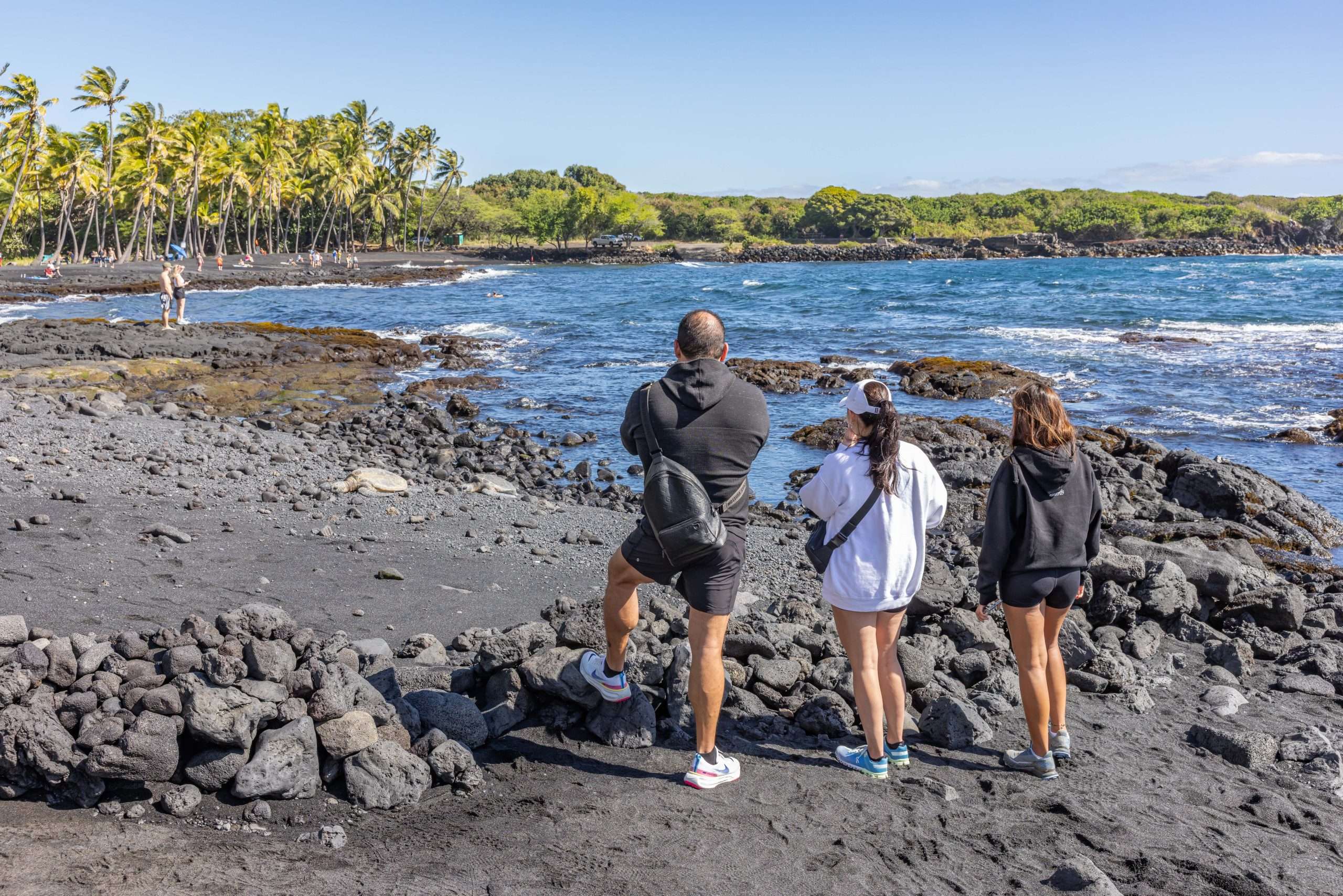
In short: volume, volume, volume. Every island in the chain has its charms. The Big Island has all that and then some. Officially named Hawaiʻi Island, the Big Island is the largest and youngest island in the Hawaiian archipelago. Covering nearly 4,000 square miles, it boasts an incredible variety of climates—11 of the world’s 13 climate zones, to be exact. You can snorkel in crystal-clear waters, hike through tropical rainforests, and walk on black lava fields—all in the same day.
But the island isn’t just about stunning landscapes. It’s a cultural treasure, home to ancient Hawaiian legends and sacred sites, as well as welcoming locals eager to share the spirit of aloha.
Why Planning Matters for a Visit to the Big Island
Bigger is better when it comes to the Big Island. Of course, bigger also means planning is essential to ensure you get the most out of your visit. The smaller islands are easier to navigate and get around, but the Big Island demands some forethought and strategizing. The Big Island’s size is its biggest selling point, but it also makes proper planning essential. Unlike smaller islands, you can’t just skip from one attraction to another without some forethought. Crafting an effective itinerary (we can help you with that!) ensures you see and do a lot during your time there.
Step 1: Choose the Right Time To Visit
Hawaiʻi has generally lovely weather all year round, but some seasons and times are better for a visit than others. What’s more, the climate may determine what you can and cannot do at that time of year. For example, winter is cooler and provides the opportunity to see humpback whales. Summer, on the other hand, means warmer and sunnier days, calmer waters, and more chances to relax outside. There are fewer crowds on the island, though certain attractions are well-attended. For example, Hawaiʻi Volcanoes National Park, Waipio Valley, and Mauna Kea can get busy, so arrive early in the day. Call ahead to get an idea of the best times to visit, if you’re concerned. Note: The Big Island is particularly festive during events like the Merrie Monarch Festival (April) and Kona Coffee Cultural Festival (November).
Step 2: Pack for Every Climate Zone
As mentioned, Hawaiʻi has a variety of climates—from the arid lava plains to the humid rainforests. Strategically pack for any eventuality.
- Beach gear: Swimsuits, flip-flops, reef-safe sunscreen, and snorkel gear.
- Rain and cooler weather wear: A lightweight rain jacket for Hilo’s rains and warm layers for higher-altitude excursions like Mauna Kea or Volcanoes National Park.
- Comfortable shoes: Whether it’s a hike to ʻAkaka Falls or a walk through the Thurston Lava Tube, sturdy, comfortable footwear is essential.
- Reusable water bottle: Stay hydrated while reducing plastic waste.
Step 3: Plan To Get Around
Hawaiʻi offers a few public transit options like the Hele-On bus system. Some places, however, are best reached by car. Whether you rent or use ride-sharing services and apps, vehicles are the best and surest way to get where you want to go. Heading for a more rugged part of the island? Rent a vehicle with four-wheel drive to tackle hills and remote areas. To avoid getting lost, use GPS, of course, but always remember that the Big Island is split into leeward (Kona) and windward (Hilo) sides. Plan to stay at least a few days on each side if you want to fully explore the island without spending too much time driving back and forth.
Step 4: Choose Your Must-See Attractions
What you most want to see is a matter of taste, but the following sites remain perennial favorites among our guests.
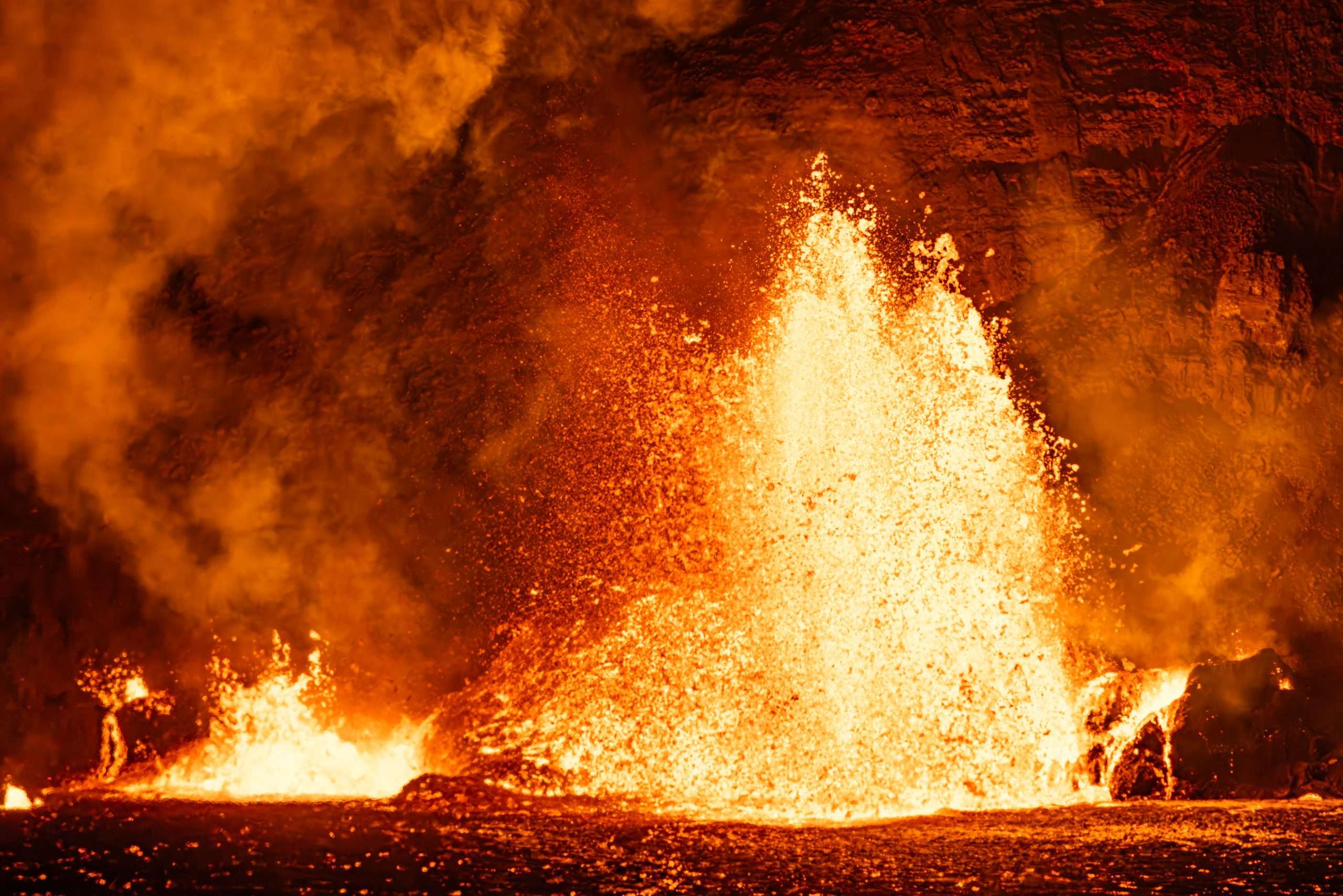
- Hawaiʻi Volcanoes National Park: Do you know the Big Island gets bigger every day? Witness the new land being formed at Kilauea, the most active volcano on Earth. Inquire about our tours to Kīlauea volcano to see it in action, for fascinating insights into the island’s geology and history and to view hidden gems like the Thurston Lava Tube.
- Mauna Kea: Beautiful during the day but especially captivating at night. Embark on a stargazing adventure at this sacred mountain, which offers some of the clearest night skies in the world.
- ʻAkaka Falls State Park: Stroll through lush greenery and witness, among other natural wonders, a breathtaking 442-foot waterfall.
- Waipio Valley: Locally known as the “Valley of the Kings,” this sacred area is a haven of beauty and tranquility.
Step 5: Plan Your Dining Adventures
You can sample just about every kind of cuisine on the Big Island but be sure to enjoy local delicacies as well. Hawaiian cooking fuses flavors from around the world while remaining true to its own culinary traditions. Some old favorites include:
- Poke bowls: Fresh, marinated raw fish served over rice
- Loco moco: A hearty local favorite featuring rice, a hamburger patty, a fried egg, and gravy
- Shave ice: A must-have tropical treat, best enjoyed with local flavors like lilikoi (passionfruit) or coconut
- Kona coffee: A smooth, aromatic coffee grown right on the island
Look for farm-to-table restaurants or food trucks serving authentic Hawaiian treats and dishes.
Step 6: Stay Safe and Be Eco-Conscious
Be alert! There are dangers in Hawaiʻi you won’t encounter elsewhere. When swimming, snorkeling, surfing, or engaging in other water sports, check current ocean conditions with the local lifeguards. In the parks, stay on marked trails and follow their guidelines for a safe visit. Also, keep Hawaiʻi looking lovely—don’t litter!
That’s how to prepare for your first visit to the Big Island of Hawaiʻi! Plan your adventure with us. Contact us for more information!


