Hawaii is a paradise for nature lovers and birdwatchers alike. With its lush landscapes and unique wildlife, the Big Island offers an exceptional opportunity to observe some of the most fascinating birds in the world. One of the stars of Hawaii birdwatching is the I’iwi, a vibrant red bird that captures the hearts of all who see it. In this article, we’ll explore the best ways to enjoy I’iwi birdwatching on the Big Island. We will discuss the Hawaii birds natural habitat, the best times and places to spot them, and tips for making the most of your Hawaii birding adventure.
Discovering the I’iwi: Hawaii’s Scarlet Gem
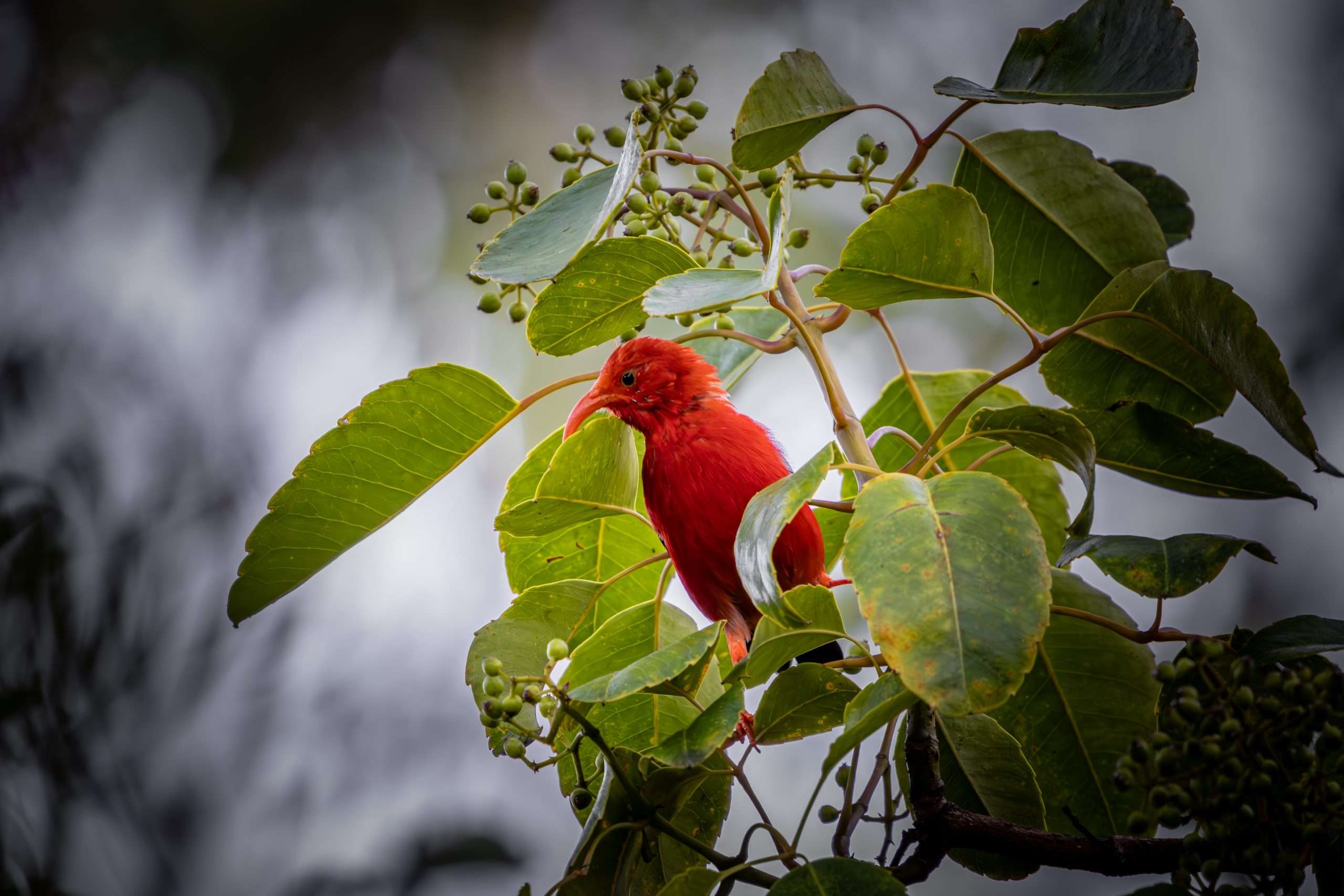
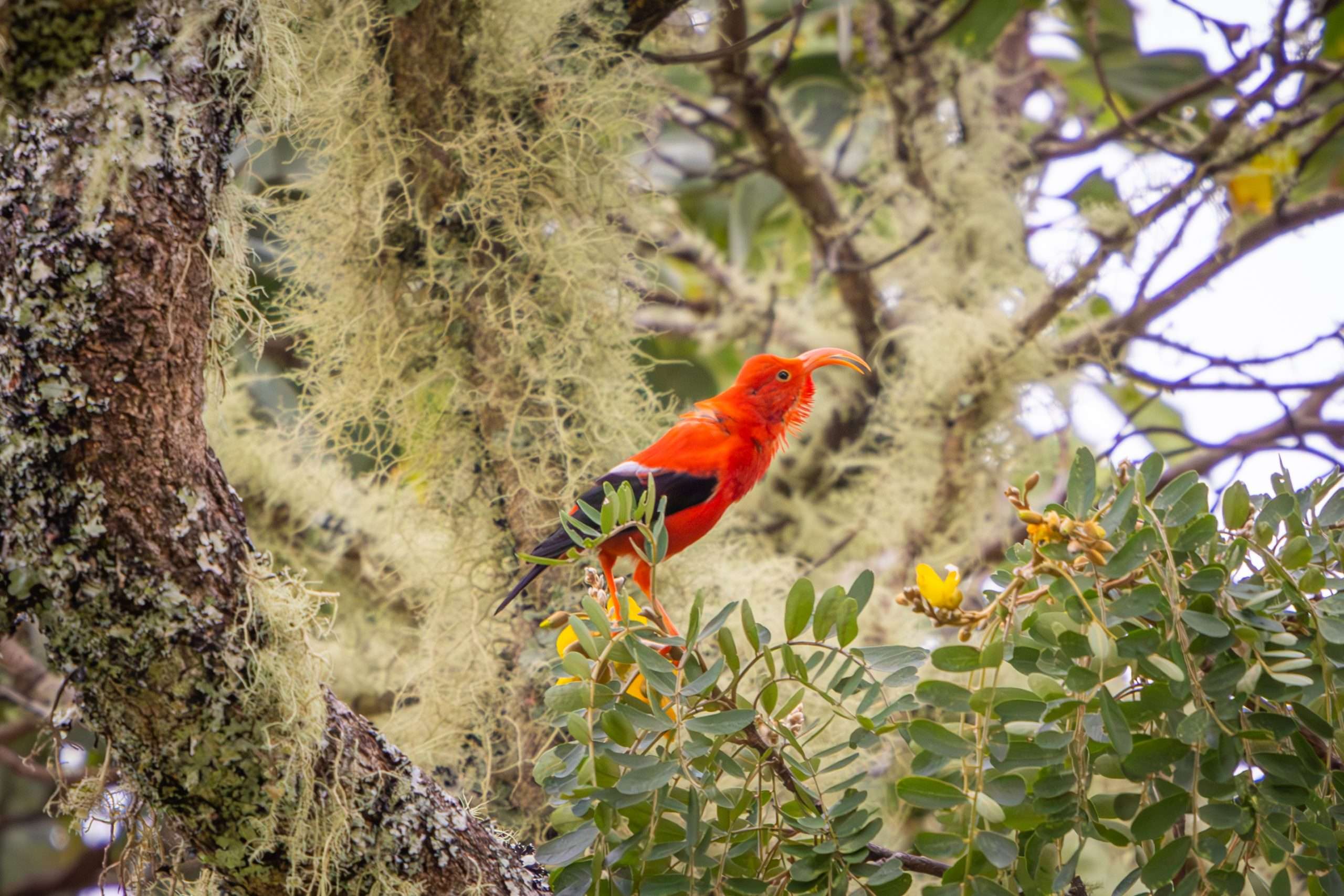
The I’iwi, known scientifically as Drepanis coccinea, is one of Hawaii’s most iconic birds. With its striking red plumage and curved bill, the I’iwi is not only a joy to behold but also plays a crucial role in the island’s ecosystem as a pollinator.
The Unique Characteristics of the I’iwi
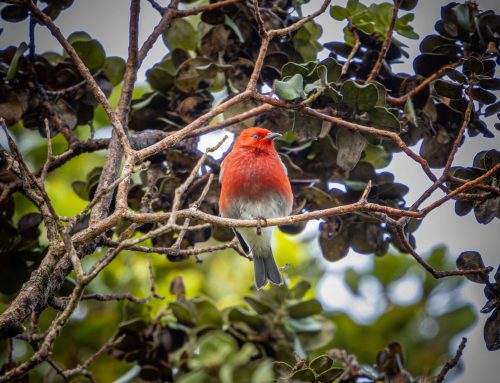
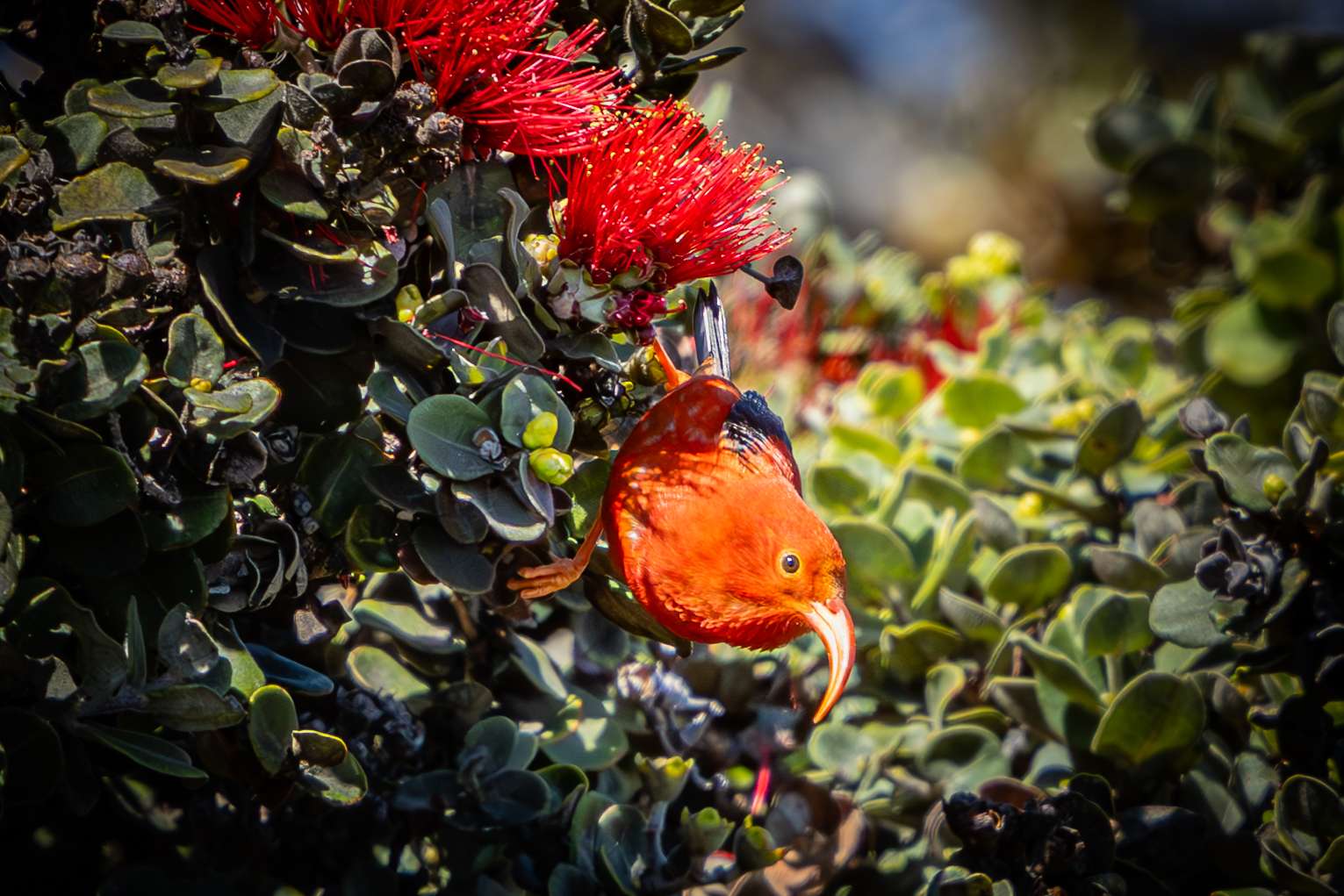
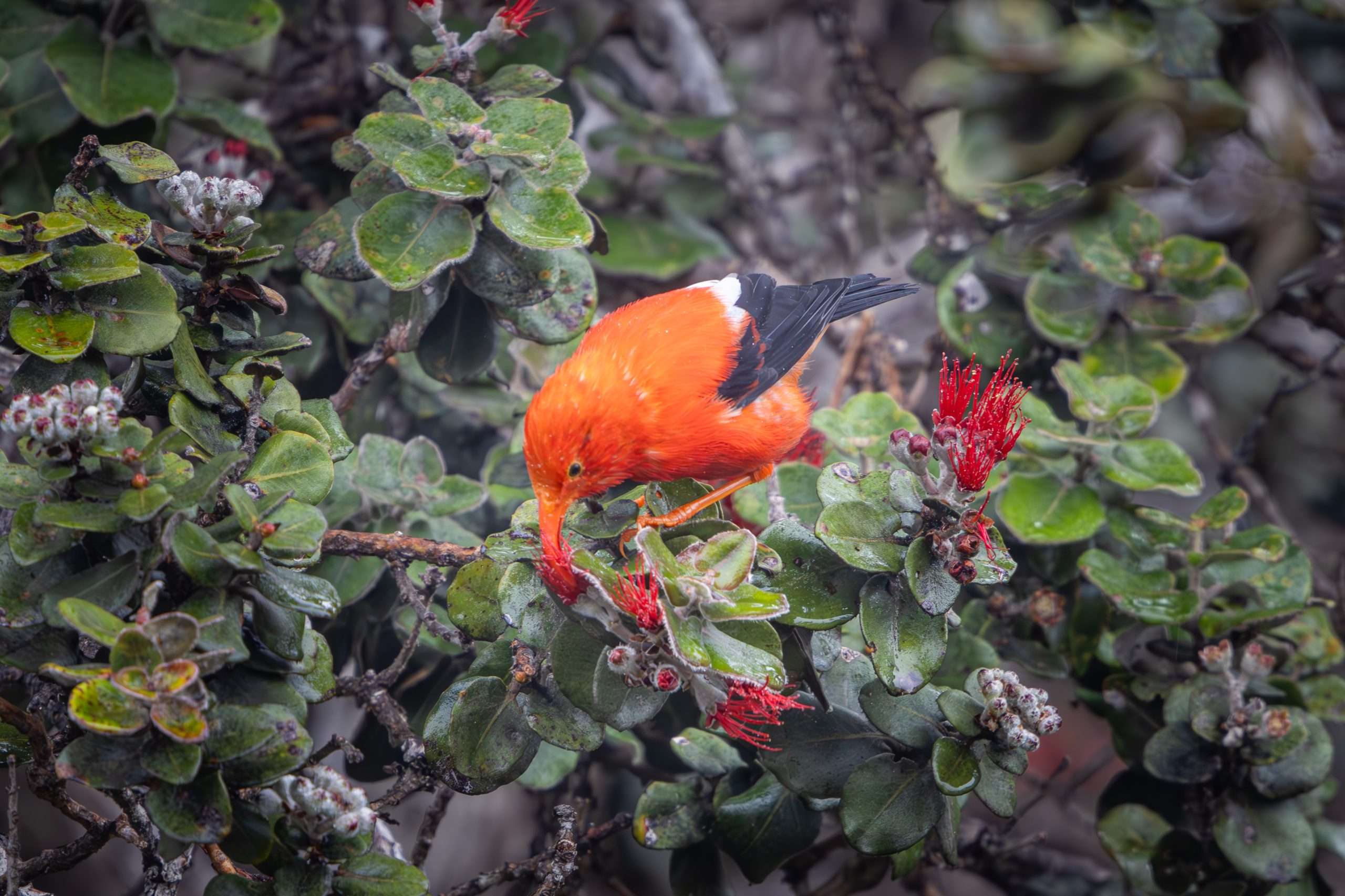
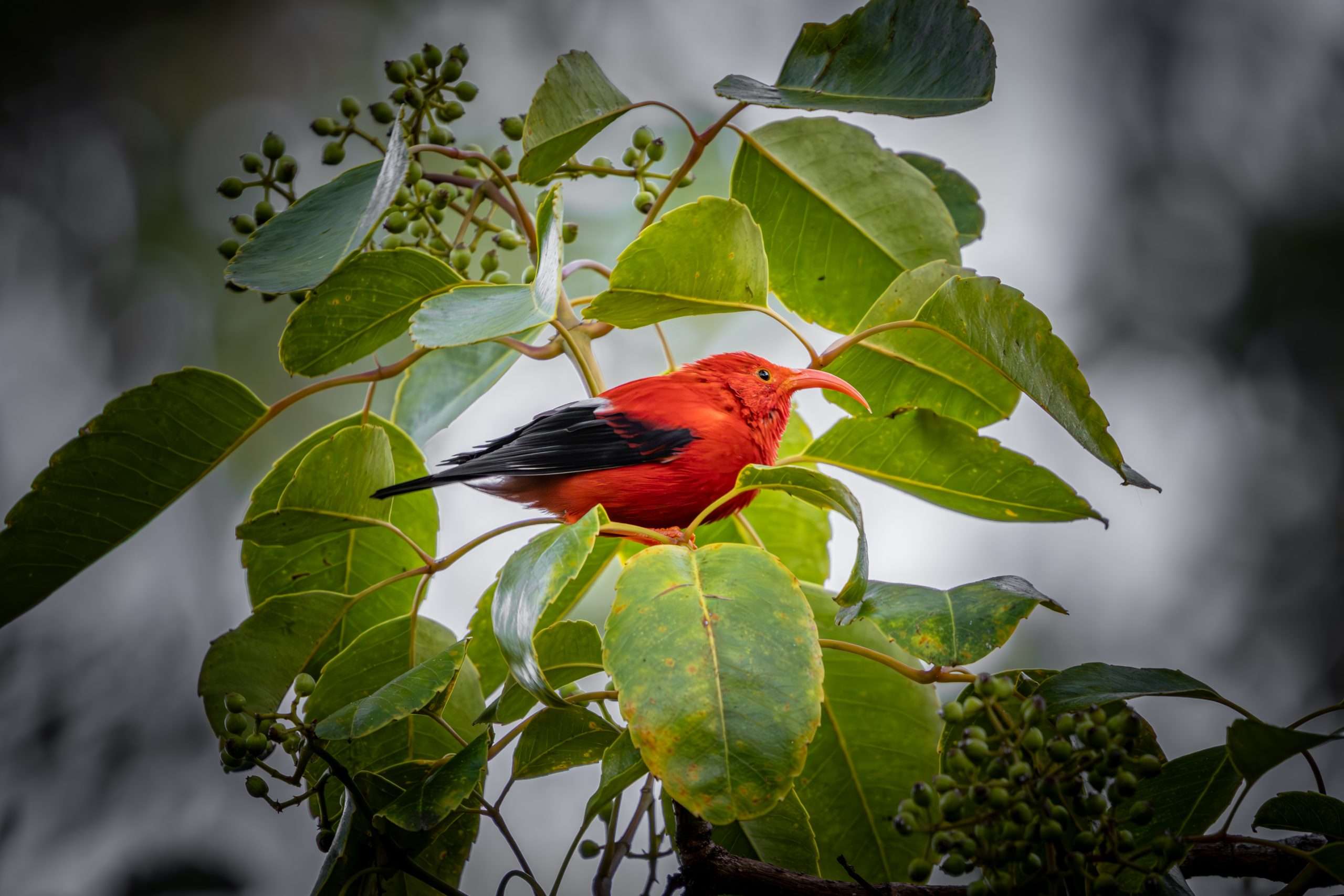
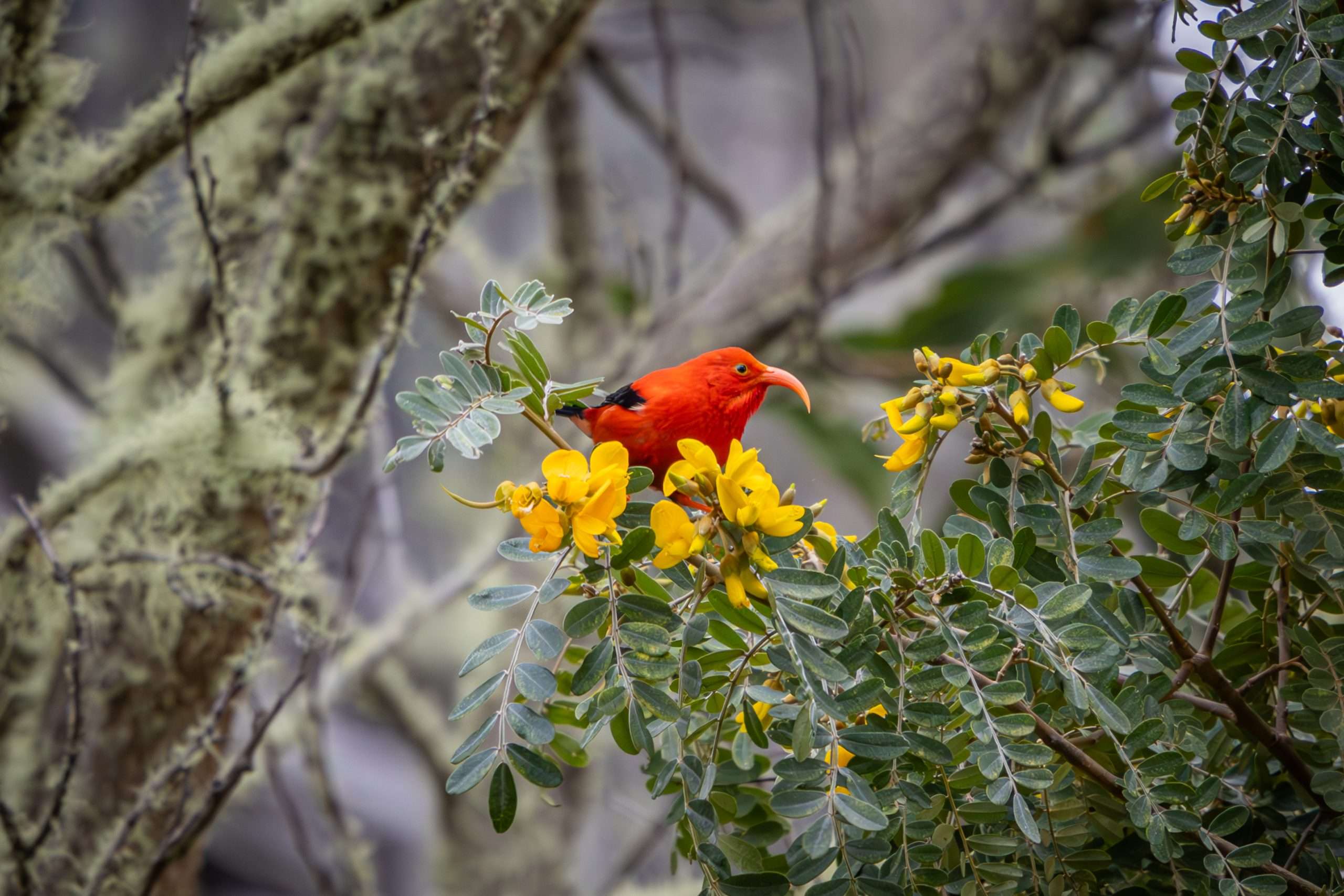
The I’iwi is a medium-sized bird, about 6 inches long, with a vivid red body, black wings, and a distinctive long, curved beak. This beak is perfectly adapted for feeding on the nectar of native Hawaiian flowers, such as the Ohi’a Lehua. Their feeding habits make them important pollinators, helping to maintain the health of Hawaii’s native forests. The bird’s vibrant red coloration is not just for show; it plays a role in attracting mates and intimidating rivals. The contrast between its red body and black wings creates a striking appearance that is hard to miss in the dense foliage of its habitat. Their melodic calls and songs are an auditory delight, often described as a mix of whistles and chirps that resonate through the Hawaiian forests, adding to their allure and making them easier to locate during birdwatching excursions.
Ecological Role and Importance
The I’iwi’s role as a pollinator is vital to the survival of many native plants. Its feeding process involves transferring pollen from one flower to another, aiding in plant reproduction. This symbiotic relationship is crucial, as many of Hawaii’s native plants rely on birds like the I’iwi for pollination. In addition to their pollination duties, I’iwis contribute to the ecosystem by serving as prey for larger birds. Their presence in the food web helps maintain ecological balance, supporting a diverse range of species in Hawaii’s forests. The decline of I’iwi populations can have cascading effects on the ecosystem. Protecting them is essential not only for their survival but also for the health of the entire forest ecosystem, emphasizing the importance of conservation efforts.
The I’iwi’s Cultural Significance
The I’iwi holds a special place in Hawaiian culture and mythology. Its vibrant red feathers were highly valued by ancient Hawaiians and were used to create stunning capes and headdresses for royalty. These cultural artifacts are a testament to the bird’s significance in Hawaiian history. Stories and legends often feature the I’iwi, symbolizing beauty and resilience. The bird is seen as a messenger of the gods and a symbol of good fortune, embodying the spirit of Hawaii’s natural world.Today, the I’iwi remains a symbol of Hawaiian identity and conservation efforts. Its presence in art, music, and storytelling continues to inspire and remind both locals and visitors of the island’s rich natural heritage.
Habitat and Distribution
I’iwis are primarily found in Hawaii’s high-elevation forests. These birds thrive in areas with abundant native flowering plants, which are crucial for their diet. The Big Island is home to several prime locations for I’iwi birdwatching, where these birds can often be seen flitting among the treetops.
High-Elevation Forests
The high-elevation forests of Hawaii provide the perfect environment for I’iwi birds. These areas, typically found at altitudes of 3,000 feet and above, offer cooler temperatures and a wealth of native flowering plants. The ‘ōhi’a lehua tree, in particular, is a favorite of the I’iwi, providing both nectar and habitat. These forests are characterized by their dense canopy, offering protection from predators and harsh weather conditions. The unique microclimates within these forests support a variety of plant and animal life, creating a biodiverse ecosystem where the I’iwi can thrive. The isolation of these high-elevation areas has helped protect them from some invasive species, though they are not immune to threats such as disease and habitat destruction, highlighting the need for ongoing conservation efforts.
The Importance of Native Flora
Native Hawaiian plants play a crucial role in the survival of the I’iwi. These plants have co-evolved with native bird species, developing specialized flowers that match the I’iwi’s beak shape. This mutualistic relationship ensures the survival of both the birds and the plants. The loss of native flora due to invasive species and habitat destruction poses a significant threat to the I’iwi. Conservation efforts focus on restoring these native plants, ensuring that the I’iwi has the resources it needs to survive and thrive. Efforts to plant and maintain native vegetation in birdwatching areas not only support I’iwi populations but also enhance the overall biodiversity of the region, benefiting countless other species.

The Impact of Climate Change
Climate change poses a growing threat to the I’iwi’s habitat. Rising temperatures and changing weather patterns can alter the distribution of native plants, affecting the availability of food and suitable nesting sites for the I’iwi. Increased temperatures can also facilitate the spread of avian diseases, such as avian malaria, which is particularly devastating to native Hawaiian birds like the I’iwi. Conservationists are working to mitigate these threats through habitat restoration and disease control efforts. Understanding the impact of climate change on the I’iwi and its habitat is crucial for developing effective conservation strategies that ensure the long-term survival of this iconic species.
Best Places for I’iwi Birdwatching on the Big Island
To maximize your chances of spotting the I’iwi, it’s essential to know where to look. Here are some top birdwatching spots on the Big Island:
- Hakalau Forest National Wildlife Refuge: This protected area is a sanctuary for numerous native Hawaiian birds and offers guided tours that provide an in-depth look at the island’s unique ecosystems. Hakalau is home to a variety of habitats, from lush rainforests to open grasslands, each supporting different bird species. Guided tours, led by knowledgeable naturalists, include stops at key viewing areas and provide uninterrupted views of beautiful birds in their natural surroundings.
- Mauna Kea Forest Reserve: The reserve’s diverse habitats, ranging from dry forests to wet montane forests, support a wide variety of bird species, including the I’iwi. Birdwatchers can explore a network of trails through these habitats, and restoration of native vegetation has helped increase bird populations. Visitors are encouraged to participate in conservation projects, such as tree planting, to support these efforts.
- Volcanoes National Park: Known for its volcanic landscapes, this park also offers rich birdwatching opportunities. Its lush rainforests are home to many native bird species, and trails such as the Kīpukapuaulu and Crater Rim Trail offer excellent vantage points for observing I’iwi and other native birds. Educational programs and guided hikes focus on the park’s unique ecosystems and the birds’ ecological roles.
When to Go Birdwatching
Timing is crucial when it comes to birdwatching. The I’iwi is most active during certain times of the day and year, so planning your visit accordingly can enhance your experience.
Optimal Times of Day
The best time to see I’iwis is during the early morning or late afternoon. During these times, the birds are most active, feeding on nectar and flitting among the trees. Morning birdwatching provides the added benefit of cooler temperatures and fewer crowds, allowing for a more peaceful and rewarding experience. The soft morning light also enhances the vibrant colors of the I’iwi, making them easier to spot in the trees. Late afternoon birdwatching offers a different perspective, as the setting sun casts a warm glow over the landscape. This time of day is ideal for capturing stunning photographs of the I’iwi in flight or perched among the foliage.
Seasonal Considerations
While I’iwis can be seen year-round, their activity levels and visibility may vary with the seasons. The months from November to April are generally considered the best time for birdwatching on the Big Island, as this period coincides with the blooming season of many native plants. During the blooming season, the abundance of nectar-rich flowers attracts more I’iwis, increasing your chances of observing these birds in action. This time of year also aligns with cooler temperatures and clearer skies, providing ideal conditions for birdwatching. In contrast, the summer months may see reduced bird activity due to higher temperatures and changes in food availability. Planning your visit during the peak season ensures a more successful and enjoyable birdwatching experience.
Considering Weather Conditions
Weather conditions can significantly impact birdwatching opportunities. Clear, sunny days are ideal for spotting I’iwis, as the birds are more likely to be active and visible in good weather. Rainy or windy conditions may make birdwatching more challenging, as birds tend to seek shelter and reduce their activity. Checking the weather forecast before your trip can help you plan your excursions and maximize your chances of success. It’s also important to dress appropriately for the weather, wearing layers and waterproof clothing if necessary, to ensure a comfortable and enjoyable birdwatching experience.
Tips for a Successful Birdwatching Experience
To make the most of your I’iwi birdwatching adventure, consider the following tips:
- Bring the Right Gear: A good pair of binoculars is essential for birdwatching. Opt for binoculars with at least 8x magnification for clear views, and lightweight models for comfort during long hikes. A field guide to Hawaiian birds can help identify different species, and a camera with a telephoto lens (plus a tripod or monopod for stability) is valuable for capturing stunning images of the I’iwi.
- Respect Nature: Stay on designated trails, keep noise to a minimum, and avoid disturbing the wildlife. Avoid using playback calls or other methods to attract birds, as these can disrupt their natural behaviors. Leave no trace by properly disposing of waste and refraining from picking plants or disturbing the landscape.
- Join a Guided Tour: Consider our private birdwatching tours led by experienced naturalists. Guided tours often provide access to restricted areas and specialized equipment, increasing your chances of spotting rare birds. Participating in these tours supports local conservation efforts, as many operators contribute to environmental organizations and initiatives.
The Importance of Conservation
The I’iwi, like many native Hawaiian birds, faces threats from habitat loss, invasive species, and disease. Conservation efforts are crucial to protect these birds and the ecosystems they inhabit.
Supporting Local Conservation Initiatives
Visitors can support conservation efforts through a variety of actions, such as:
- Participating in eco-friendly tourism activities
- Donating to local conservation organizations
- Spreading awareness about the importance of protecting Hawaii’s unique wildlife
Many organizations offer volunteer opportunities for visitors, such as planting native trees or participating in habitat restoration projects. These hands-on experiences provide a meaningful way to contribute to conservation while learning about Hawaii’s ecosystems. Supporting businesses that prioritize sustainability and environmental responsibility can also make a difference. Choosing eco-friendly accommodations, dining, and tour operators helps promote practices that benefit both the environment and the local economy.
Personal Responsibility
As visitors, we have a responsibility to minimize our impact on the environment. By practicing sustainable travel habits, we can help ensure that future generations will have the opportunity to enjoy the beauty of Hawaii’s native birds. Simple actions such as reducing waste, conserving water, and using public transportation can significantly reduce your environmental footprint. Being mindful of your impact and making conscious choices can help protect Hawaii’s delicate ecosystems. Educating yourself and others about the importance of conservation and the threats facing native birds like the I’iwi can inspire positive change and foster a greater appreciation for Hawaii’s natural heritage.
I’iwi Birdwatching: A Lasting Adventure
I’iwi birdwatching on the Big Island of Hawaii is a rewarding experience for nature enthusiasts and birdwatchers alike. With its vibrant plumage and unique ecological role, the I’iwi is a true symbol of Hawaii’s natural beauty. By visiting the right locations, respecting the environment, and supporting conservation efforts, you can enjoy an unforgettable birdwatching adventure while contributing to the preservation of Hawaii’s precious wildlife.
Whether you’re a seasoned birder or a curious traveler, the Big Island offers a wealth of opportunities to connect with nature and witness the splendor of the I’iwi. So pack your binoculars, embark on this incredible journey, and prepare to be captivated by the allure of Hawaii’s avian treasures. By embracing responsible and sustainable birdwatching practices, you can play a part in preserving the unique biodiversity of the Big Island. Your efforts contribute to a brighter future for the I’iwi and the many other species that call Hawaii home.
Frequently Asked Questions (FAQ)
What makes the I’iwi bird special in Hawaii?
The I’iwi is renowned for its vibrant red plumage and unique curved beak, making it one of Hawaii’s most iconic birds. It plays an important role in pollinating native plants and is deeply woven into Hawaiian culture and mythology.
Where can I see I’iwi birds on the Big Island?
Some of the best places to spot I’iwi birds include the Hakalau Forest National Wildlife Refuge, Mauna Kea Forest Reserve, and Volcanoes National Park. These areas provide the right habitat and plenty of native flowering plants for the I’iwi.
What time of year is best for I’iwi birdwatching?
The months from November to April are ideal for I’iwi birdwatching as this period aligns with the blooming season of many native plants. During this time, the abundance of nectar-rich flowers attracts more I’iwis and increases your chances of seeing them.
What gear should I bring for birdwatching in Hawaii?
A good pair of binoculars, a field guide to Hawaiian birds, and a camera with a telephoto lens are recommended. Lightweight and compact equipment will make your birdwatching adventure more comfortable and enjoyable.
How can visitors help conserve the I’iwi and its habitat?
Visitors can support conservation by participating in eco-friendly tourism, donating to local conservation organizations, and practicing responsible travel habits. Volunteering for habitat restoration projects and spreading awareness also contribute to protecting the I’iwi and its environment.
Why is conservation so important for the I’iwi?
Conservation is crucial because the I’iwi faces threats from habitat loss, invasive species, and disease. Protecting the I’iwi also helps preserve Hawaii’s native forests and maintains the balance of its unique ecosystem.
Can I join a guided birdwatching tour to see I’iwi birds?
Yes, joining a guided tour led by experienced naturalists can greatly enhance your chances of spotting the I’iwi and learning about native Hawaiian birds. Many tours also support local conservation initiatives.