Exploring the Fascinating World of Apapane
Hawaii is a paradise for birdwatchers. Its lush landscapes and unique ecosystems host a variety of endemic birds. Among these, the Apapane stands out with its vibrant red plumage and melodic song. This small, lively bird is a true symbol of Hawaii’s natural beauty. It flits among the treetops, often in the company of other native species. The Apapane’s presence is a testament to the rich biodiversity of the islands.
Birdwatching in Hawaii offers a chance to connect with nature. The Apapane, with its striking appearance and behavior, is a highlight for any birdwatcher. Observing these birds in their natural habitat is a rewarding experience. The Apapane plays a crucial role in pollinating native plants. This makes it an important part of Hawaii’s ecosystems. Its interactions with other species provide insights into the complex dynamics of these environments.
For those planning a birdwatching trip, understanding the Apapane’s habitat is key. These birds are often found in high-elevation forests, particularly those with native Ohia trees. Knowing where to look increases the chances of a successful sighting.Birdwatching in Hawaii is not just about seeing birds. It’s about experiencing the islands’ unique natural heritage. The Apapane, with its cultural significance, adds depth to this experience.
Whether you’re a seasoned birdwatcher or a curious traveler, Hawaii offers something special. The Apapane is a reminder of the islands’ vibrant life and the importance of conservation. Embrace the adventure and discover the magic of birdwatching in Hawaii.
Meet the Apapane: Hawaii’s Vibrant Songbird
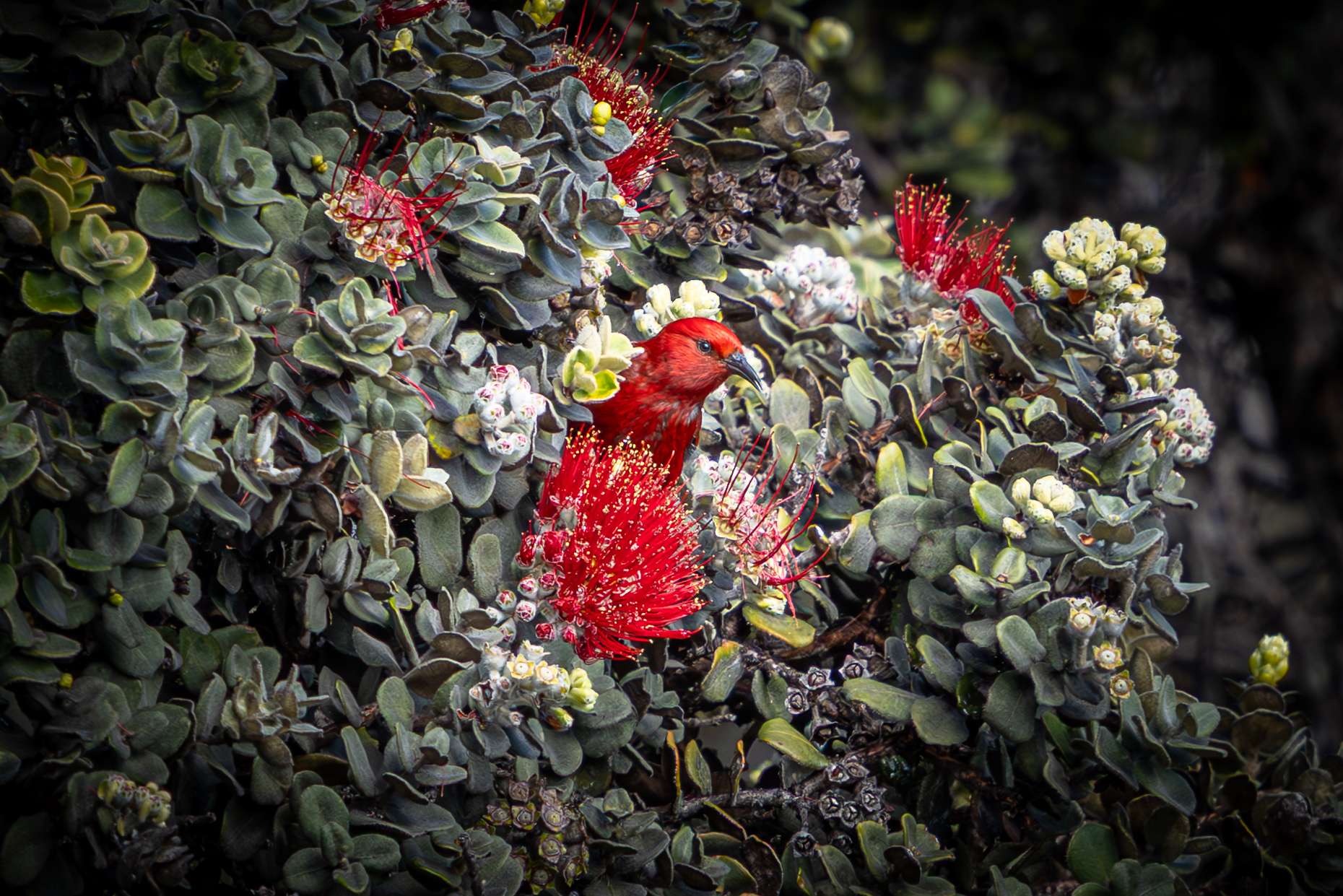
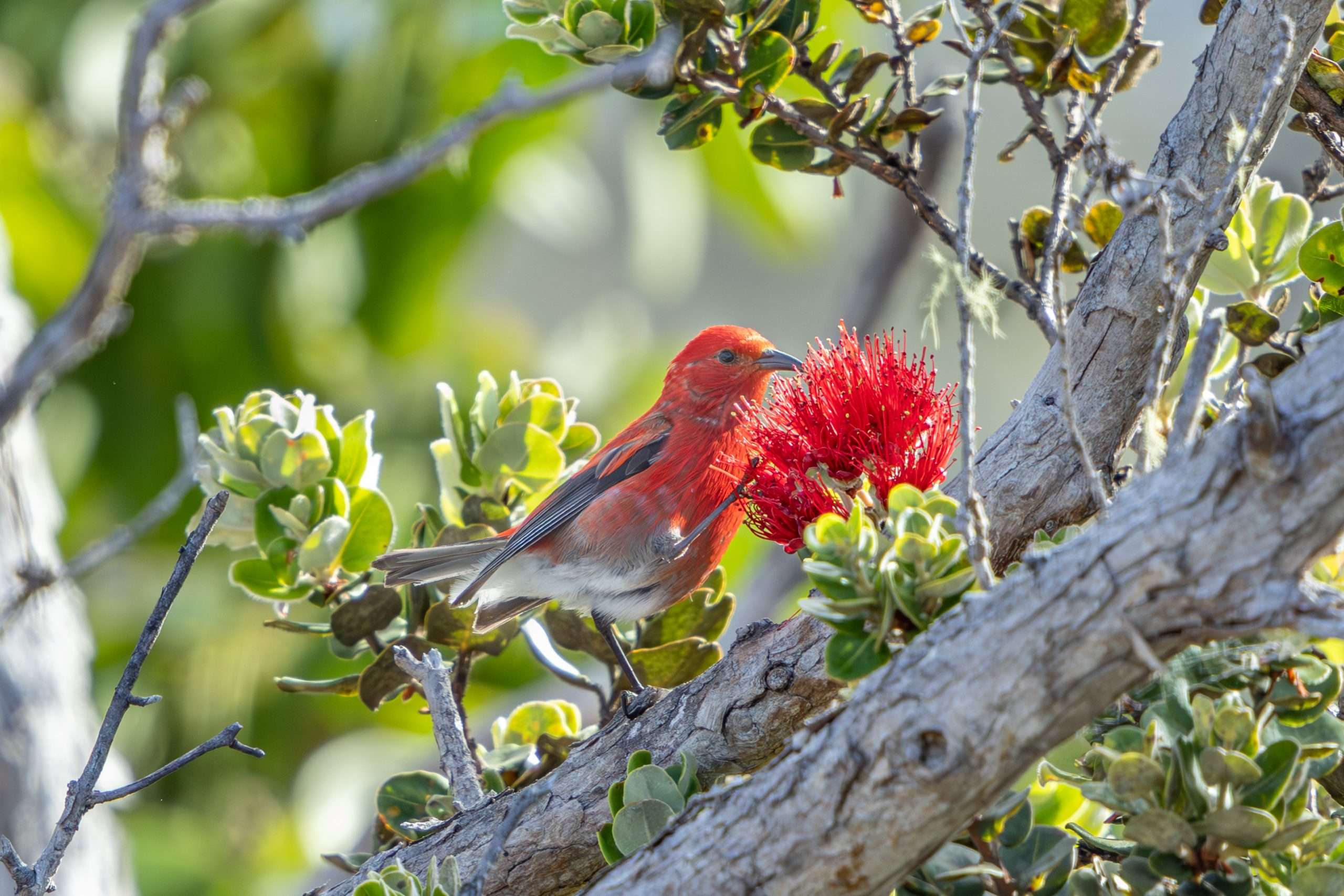
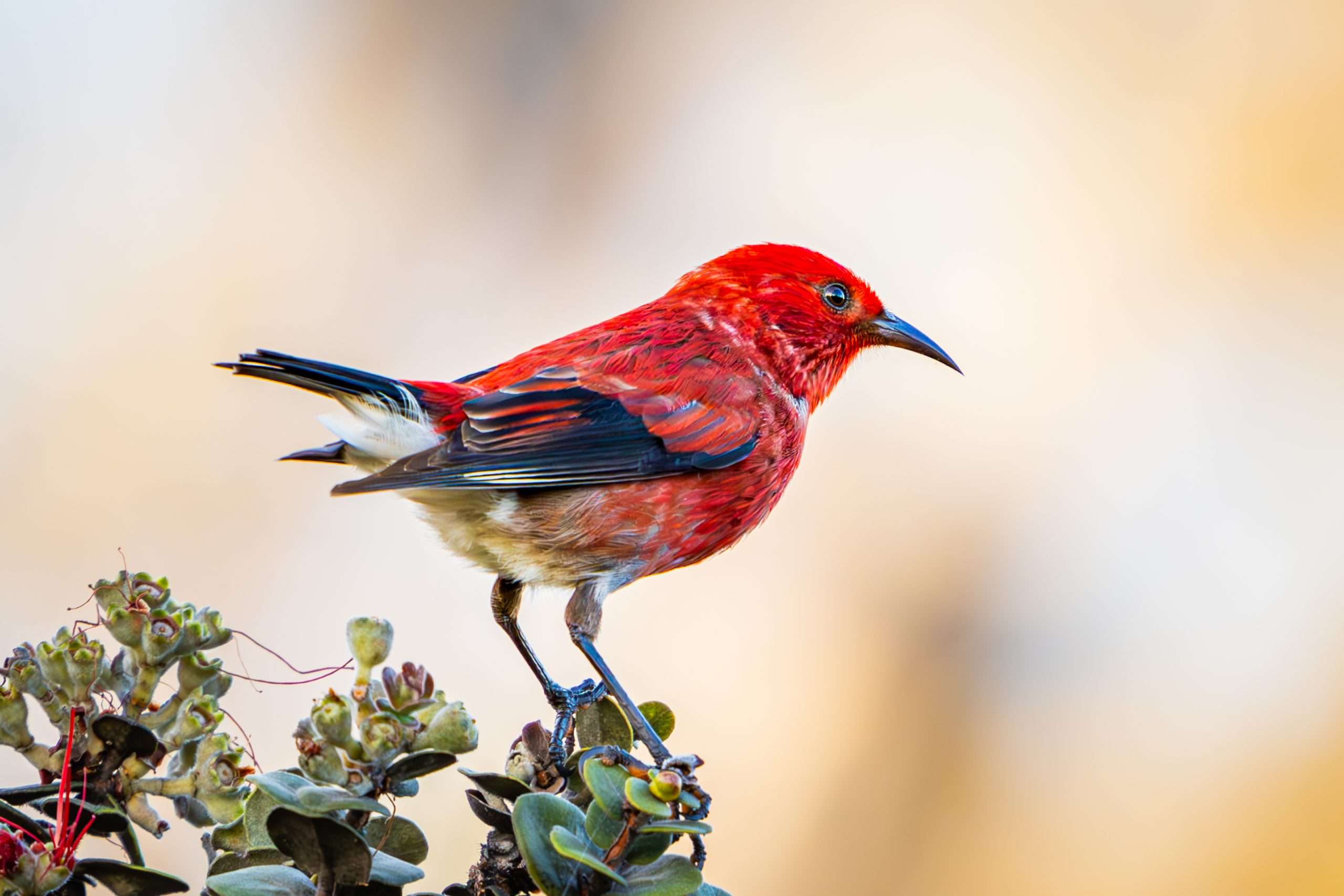
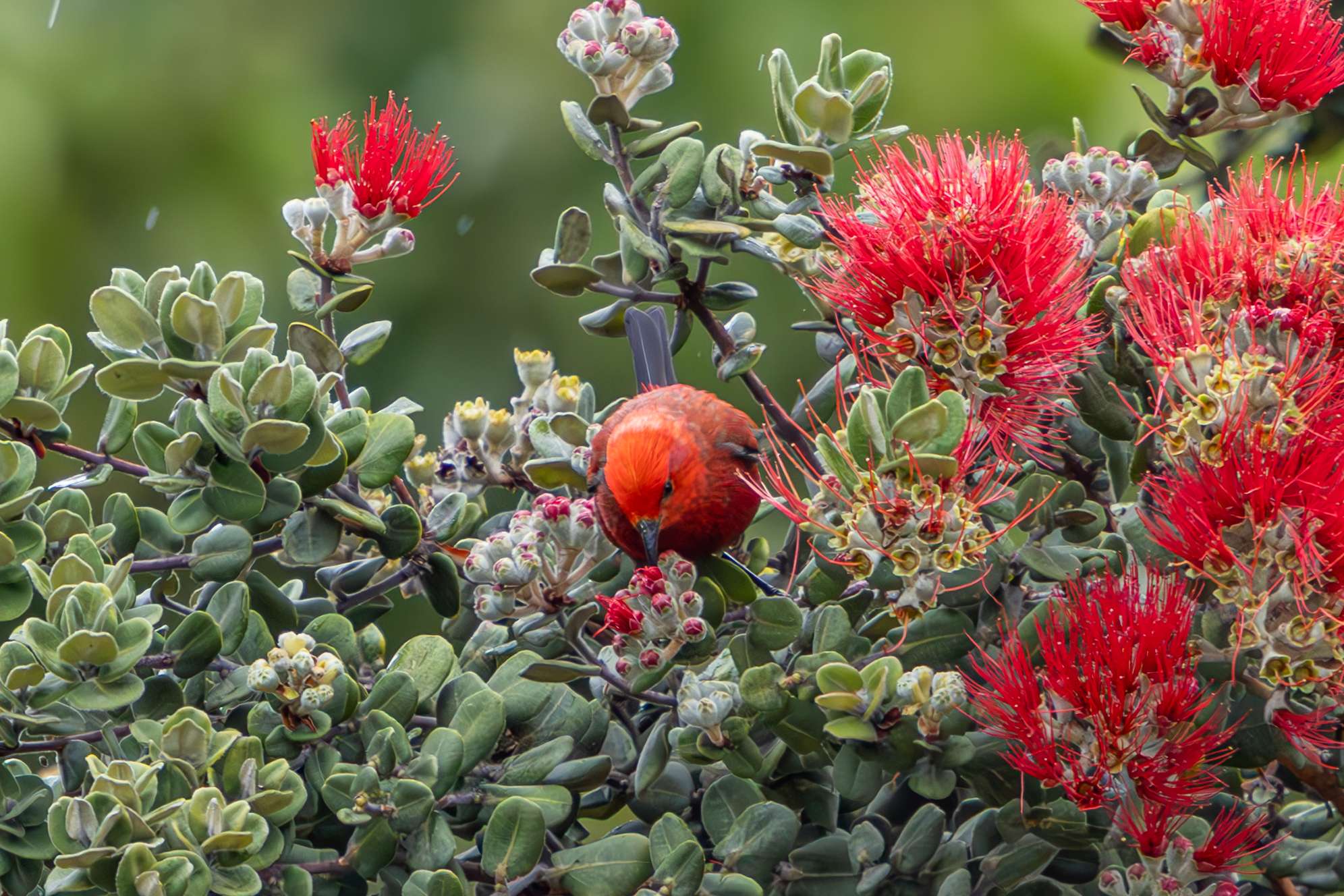
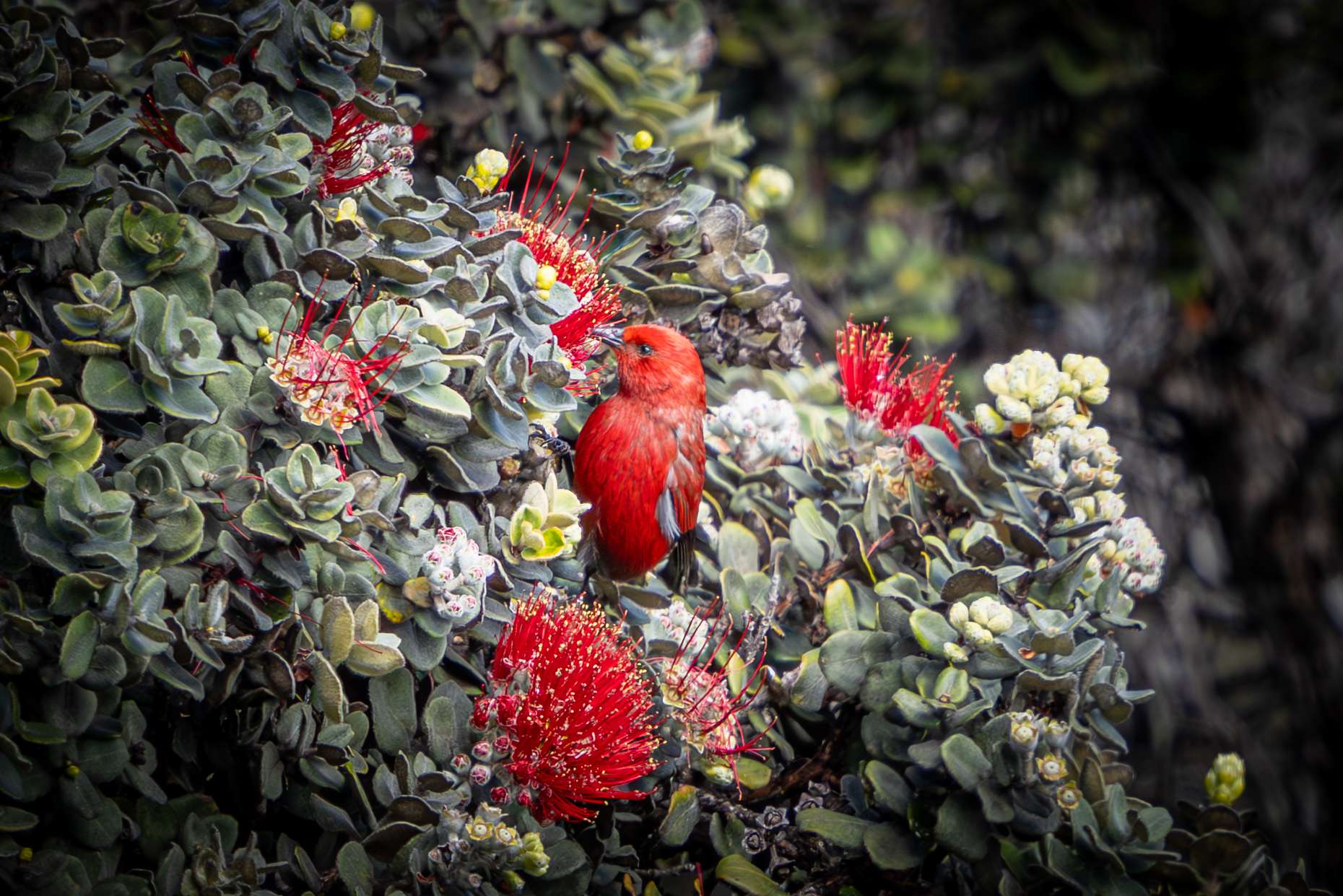
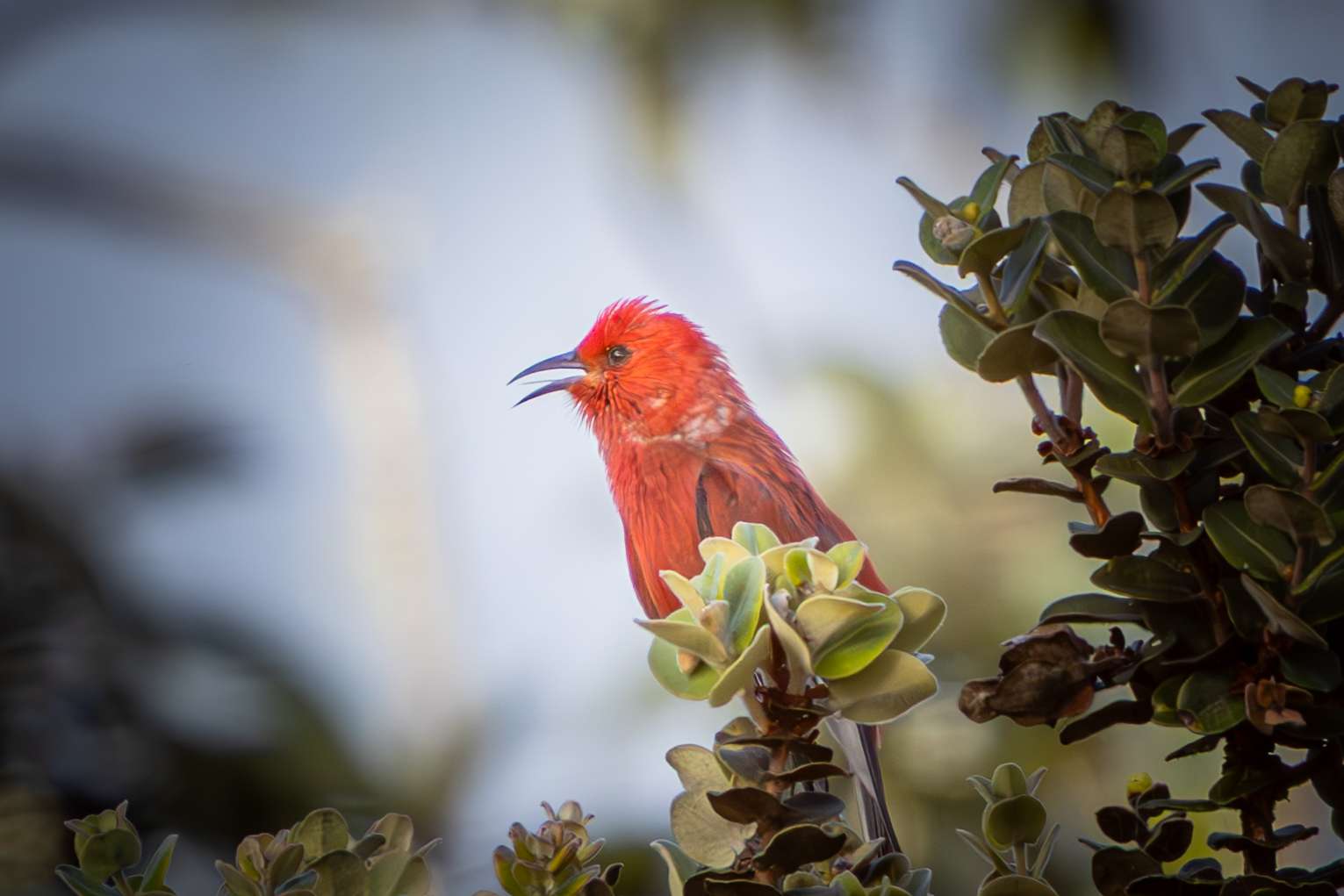
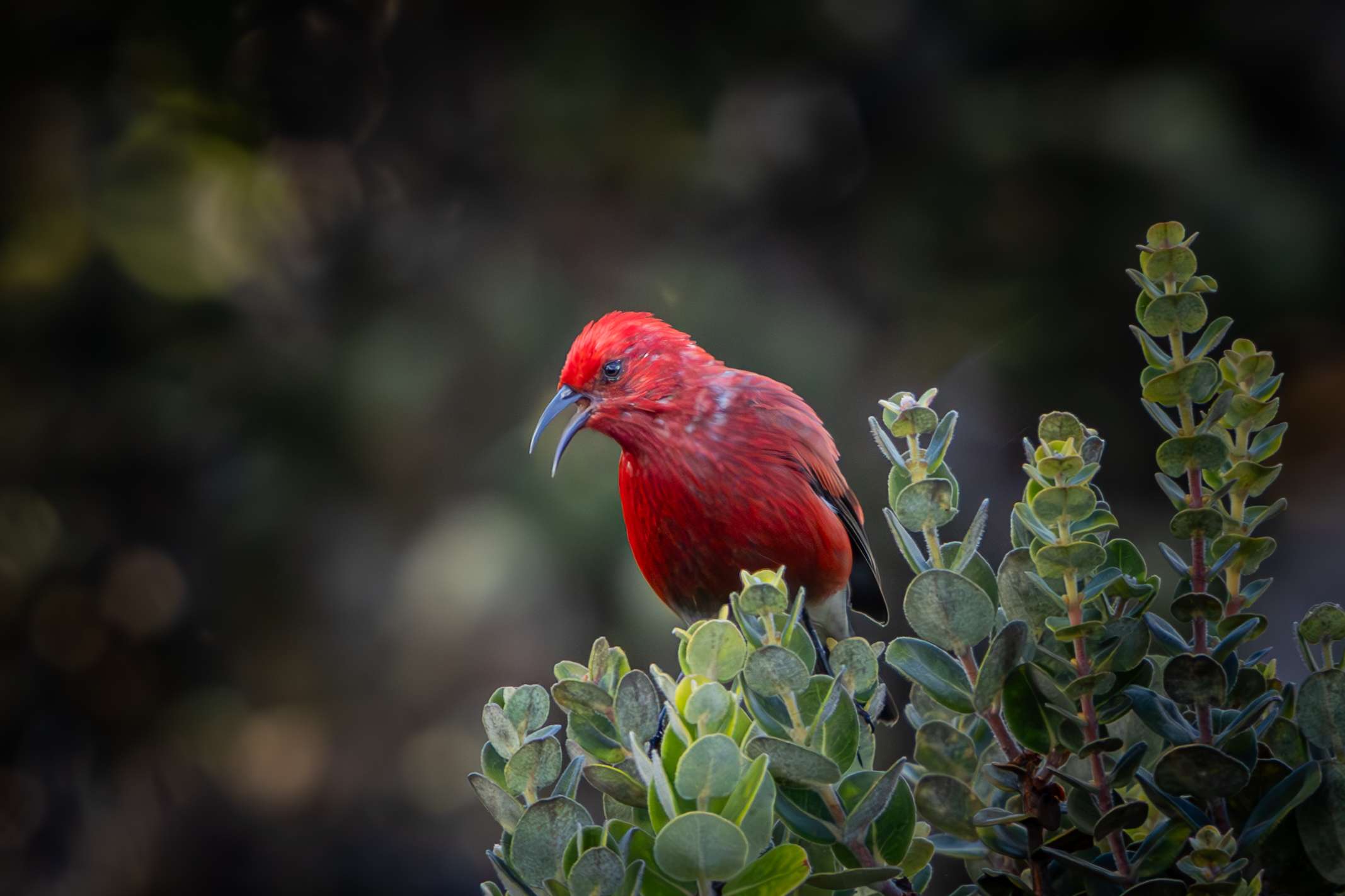
The Apapane is a sight to behold. Its brilliant red feathers catch the eye against the green canopy. Birdwatchers often find themselves mesmerized by its striking appearance. This medium-sized bird exhibits a variety of fascinating behaviors. It’s known for its acrobatic flight, darting quickly between branches. Such agility allows it to evade predators with ease. One distinctive feature of the Apapane is its melodious song. Its tune is a mix of whistles, trills, and warbles, enlivening the forest. This song serves both to communicate with others and mark its territory. Apapane are social creatures, often seen in mixed flocks. They associate with other native birds like the I’iwi and Amakihi. This social behavior increases their chances of finding food.
Key Characteristics of the Apapane:
- Color: Bright red with black wings and tail.
- Size: Medium-sized, about 5 inches long.
- Song: Complex, with whistling and trilling notes.
- Habitat: Prefer high-elevation native forests.
The Apapane plays a crucial role in its ecosystem. As a pollinator, it aids in the reproduction of native Hawaiian plants. Nectar is its primary diet, supplemented occasionally with insects and spiders. Despite being common, Apapane face challenges. Habitat loss and invasive species threaten their numbers. Conservation efforts are ongoing to protect these vibrant songbirds and their habitats.
For those eager to witness these birds, timing is essential. The best time to see Apapane is early morning. During these hours, they are most active and vocal. In Hawaii’s forests, the Apapane stands out not just for its beauty, but also for its role in the natural world. Its presence is a vivid reminder of Hawaii’s unique avian life. Embracing their beauty and significance enhances any Hawaiian birdwatching adventure.
The Apapane’s Role in Hawaiian Ecosystems
The Apapane serves a vital purpose in Hawaii’s ecosystems. As a key pollinator, it supports the reproduction of many native plants. Its actions help maintain the delicate balance of Hawaii’s flora. Its diet consists predominantly of nectar. This habit naturally makes the Apapane a vital carrier of pollen. Native Ohia trees are particularly dependent on these birds for pollination. Beyond pollination, Apapane also contribute to seed dispersal. As they flit between flowers, they inadvertently spread seeds, fostering forest regeneration. This process aids the growth of native plants, sustaining the ecosystem.
Key Ecosystem Roles of Apapane:
- Pollination: Crucial for native plant reproduction.
- Seed Dispersal: Helps in forest regrowth.
- Pest Control: Consumes insects and spiders.
Their consumption of insects aids in natural pest control. While nectar forms the bulk of their diet, insects provide needed protein. This balance ensures a healthy ecosystem, reducing pest populations naturally. The presence of Apapane in an area indicates a healthy ecosystem. Their survival depends on native forests, which require careful preservation. Their vibrant flights are a symbol of environmental health and thriving habitats. Efforts to conserve Apapane directly support broader ecological health. Protecting their habitats aids in preserving Hawaii’s unique biodiversity. Understanding their role underscores the interconnectedness of life on these islands.
Apapane Habitat: Where to Find Them
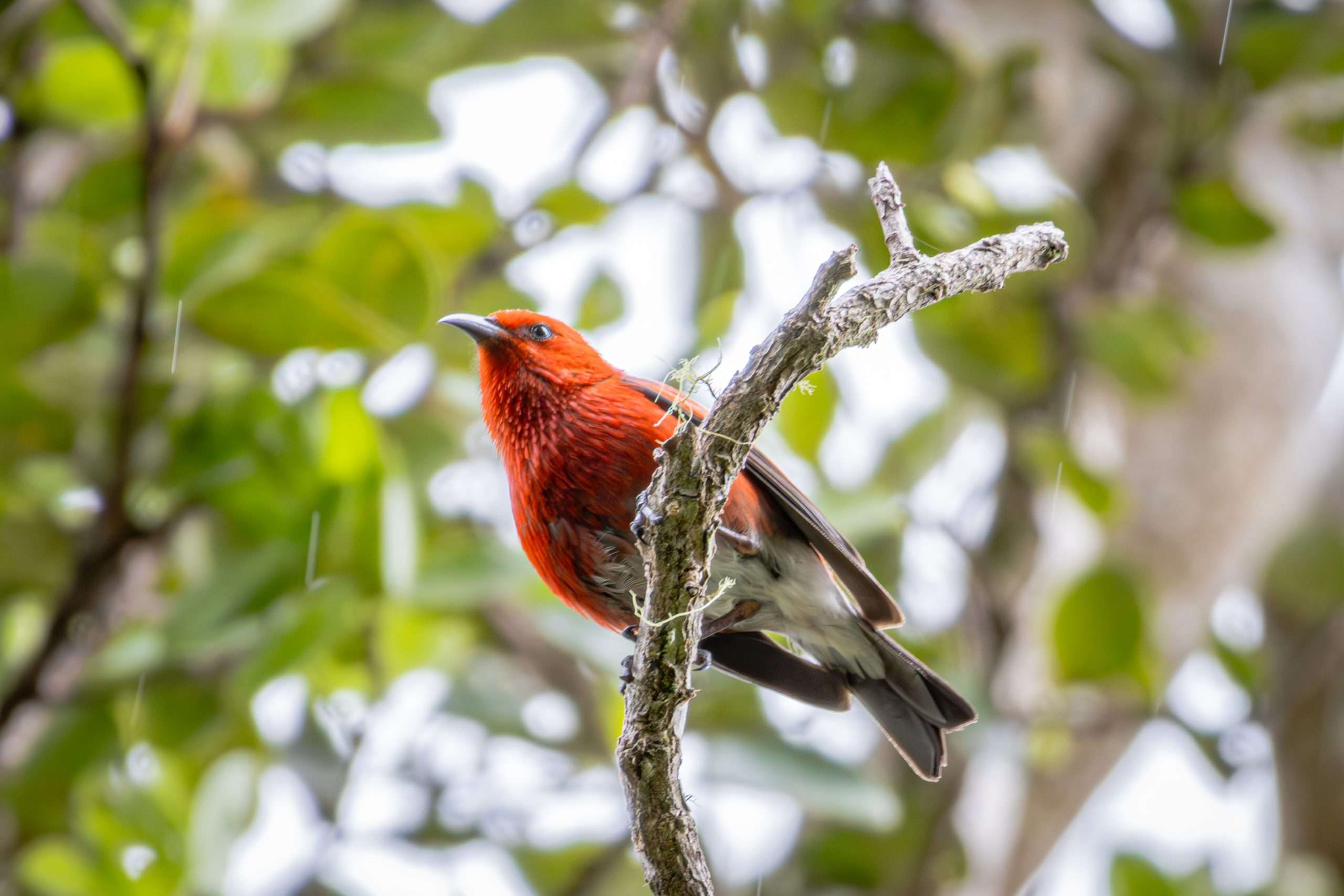
The Apapane thrives in high-elevation forests across Hawaii. These vibrant songbirds favor areas rich in native flora. Such habitats provide ample nectar sources. Ohia and Koa trees form the primary setting for Apapane. These trees are essential for the bird’s feeding and nesting. The Apapane often flutters around their bright blossoms. Hawaii’s diverse climatic zones shelter these birds. However, they are especially prolific in moist, mountainous regions. This environment ensures they have the nectar they need.
Prime Habitats for Apapane:
- Hawaii Volcanoes National Park: A renowned birdwatching site.
- Hakalau Forest National Wildlife Refuge: Rich with native vegetation.
- Alakai Wilderness Area: Diverse bird species and lush forest.
The altitudes Apapane inhabit vary. They often reside above 3,000 feet, taking refuge in cooler areas. This elevation provides a comfortable climate for the birds. Birdwatching enthusiasts can find Apapane on trails with dense foliage. Listening for their melodic songs can guide watchers to them. Early morning offers the best chance to observe their lively behavior. Their preference for higher elevations is a survival trait. By living away from many predators, these birds secure their nests. It also shields them from human disturbances, promoting a stable habitat. Understanding the Apapane’s needs helps in preservation efforts. Safeguarding their habitats ensures their continued presence in Hawaii’s forests. For travelers, discovering these natural wonders is both a privilege and a responsibility.
Endemic Hawaiian Birds: The Apapane and Its Avian Neighbors
Hawaii is a paradise for bird lovers. It’s home to unique avian species found nowhere else on Earth. The Apapane is one of these gems, a true native of the islands. The Apapane shares its habitat with other fascinating Hawaiian birds. These species have evolved to adapt to the local environment. Each has its role, contributing to the ecosystem’s balance. Birdwatching in Hawaii is a vibrant experience. The Apapane is often seen with companions in mixed flocks. This behavior offers a glimpse into the island’s rich avian diversity.
Notable Avian Neighbors of the Apapane:
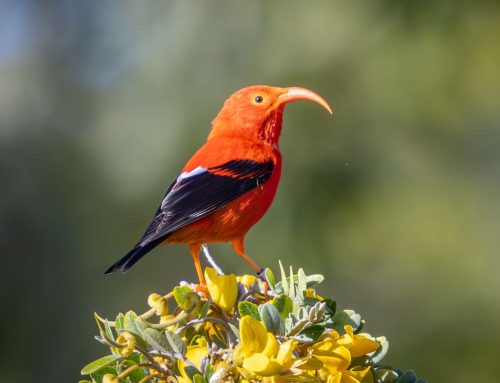
- I’iwi: Known for its striking red plumage and curved beak.
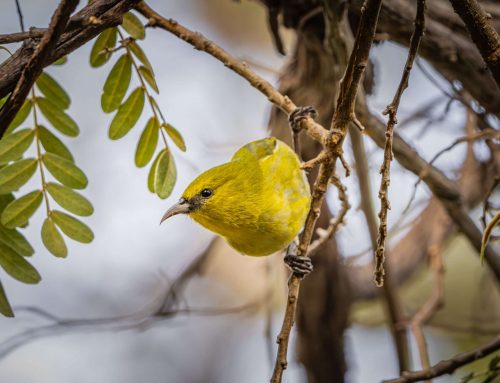
- Amakihi: Versatile feeders with a greenish hue.
- Akohekohe: Recognizable by its distinctive forehead feathers.
The I’iwi shares the Apapane’s love for nectar, thriving on similar food sources. Meanwhile, the Amakihi’s adaptability is astounding, feeding on various items. Together, these birds form a tapestry of color and sound. Their interactions are intricate, revealing nature’s complexity. Observing them enriches any birdwatching journey in Hawaii. Each species has distinct vocalizations. The cacophony of calls and songs is thrilling to the ears. Recognizing their differences enhances the birdwatching experience. Hawaii’s birds face threats but remain resilient. Preservation efforts are vital to maintaining this avian diversity. Witnessing these unique species is both an honor and a call to action for visitors.
Top Birdwatching Locations for Apapane in Hawaii
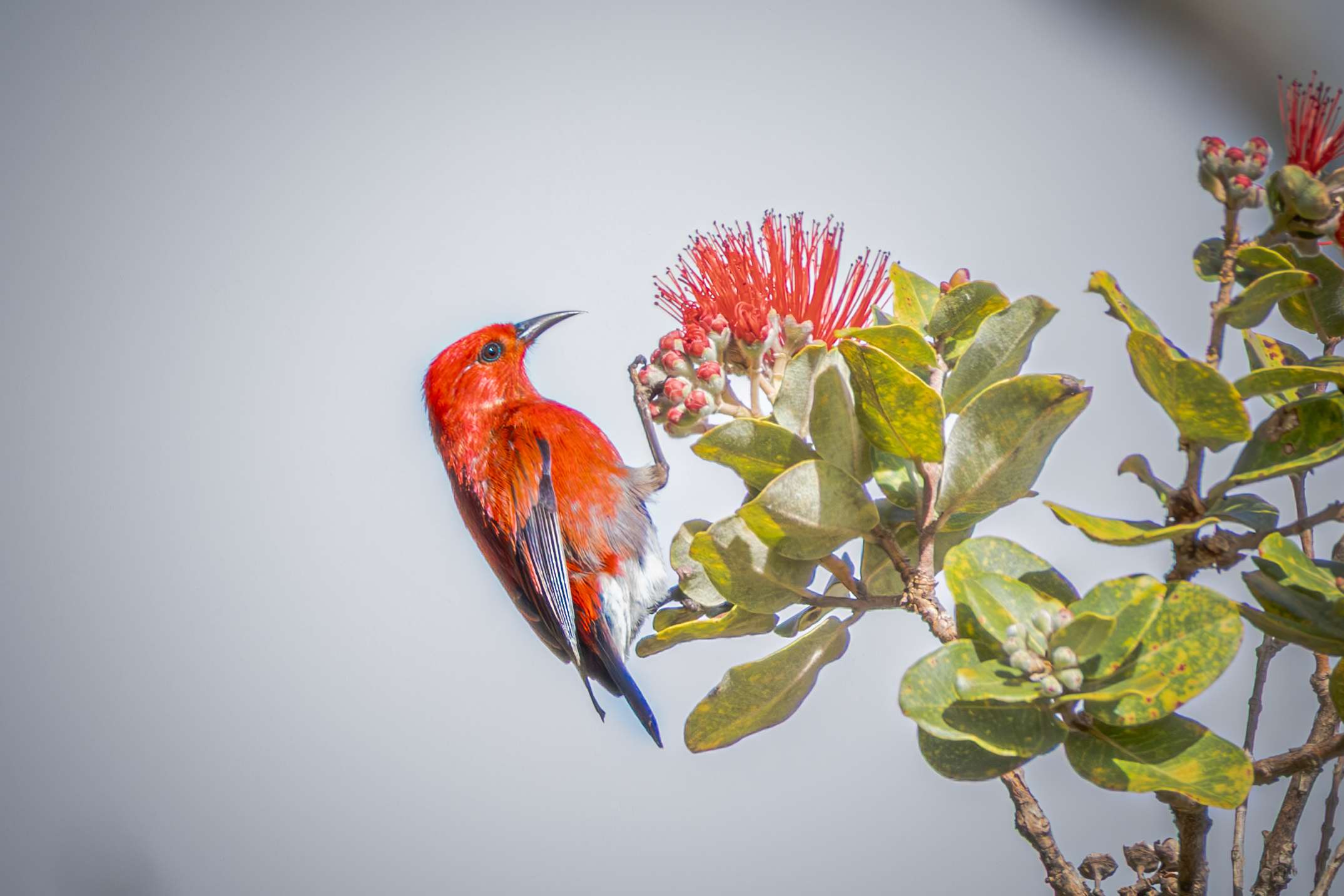
Hawaii offers spectacular landscapes teeming with birdlife. Birdwatching here is a sensory delight for nature enthusiasts. Among the vast natural settings, several locations stand out for observing the Apapane. One premier spot is the Hawaii Volcanoes National Park. This site provides diverse habitats that the Apapane favor. High-altitude rainforests in this park echo with the bird’s melodic calls. Hakalau Forest National Wildlife Refuge is another birding haven. It’s renowned for its rich biodiversity and well-preserved native forests. Here, birdwatchers can catch sight of Apapane, along with other endemic species. Mauna Kea Forest Reserve offers a different spectacle. This location is ideal for those seeking an immersive birdwatching experience. The lush native vegetation is home to flocks of Apapane.
Recommended Birdwatching Locations:
- Hawaii Volcanoes National Park
- Hakalau Forest National Wildlife Refuge
- Mauna Kea Forest Reserve
Each location offers unique advantages and ecosystems. Birdwatchers can explore diverse settings across the islands. Each site is a testament to Hawaii’s avian richness. In Koke’e State Park on Kauai, trails meander through pristine forest areas. The park’s elevation and climate create a haven for highland bird species like the Apapane. Alakai Swamp Trail, also on Kauai, is notable for its rugged beauty. Walking this trail offers chances to see and hear these lovely songbirds in their natural environment.
The Apapane’s presence in these parks underscores Hawaii’s ecological diversity. Birdwatchers should equip themselves with suitable gear and respectful etiquette. By visiting these top locations, enthusiasts can appreciate the vibrant life forms that thrive in Hawaii’s unique habitats. Each visit offers an encounter with nature’s brilliance, igniting a deeper appreciation for conservation.

Birdwatching Tips: How to Spot and Identify Apapane
Spotting Apapane in the wild requires some preparation and keen observation. Their vibrant red plumage stands out against Hawaii’s lush green foliage. However, patience is essential for birdwatchers. Early mornings are prime times for birdwatching. Apapane are most active in the cool dawn hours. Quiet observation increases your chances of sighting these delightful birds. Carry a reliable pair of binoculars. This essential tool helps in viewing distant treetops where Apapane often perch. High-quality binoculars make your birdwatching experience more rewarding. A well-organized field guide can be incredibly helpful. Guides provide illustrations and descriptions to aid in identifying different birds. Noting field marks, such as the Apapane’s distinct coloration, is crucial.
Tips for Spotting and Identifying Apapane:
- Observe in early morning
- Use quality binoculars
- Consult a field guide
- Look for red plumage among green leaves
Listen attentively to their song. The Apapane sings a mix of whistles, trills, and warbles. Recognizing their distinctive call can lead you to them. Moving quietly is another critical aspect. Sudden movements or noises can scare birds away. Approach birdwatching sites with a gentle demeanor to avoid disturbing wildlife. When observing, look for movement in tree canopies. Apapane often flit among Ohia trees, which are a vital part of their habitat. Following their flight patterns can result in better sightings. By adopting these strategies, birdwatchers can optimize their chances. Each tip enhances the joy of observing the Apapane in their native environment. Remember, each sighting contributes to a deeper connection with Hawaii’s remarkable natural world.
The Apapane’s Song and Behavior: What to Listen and Look For
The Apapane is as much heard as seen, thanks to its melodious song. Their vocalizations fill the air with lively sounds. Recognizing this song is key to locating them in dense foliage. Their song features a captivating mix of whistles and trills. Listening for this tune can guide you to their presence. The variety and rhythm offer a delightful symphony unique to Hawaii’s forests. Observing Apapane behavior offers deeper insight into their world. These birds are often found in flocks. Their social nature leads them to interact with other native birds like the I’iwi and Amakihi.
Key Behaviors to Observe:
- Flocking in mixed groups
- Flitting between treetops
- Interacting with other bird species
- Foraging for nectar
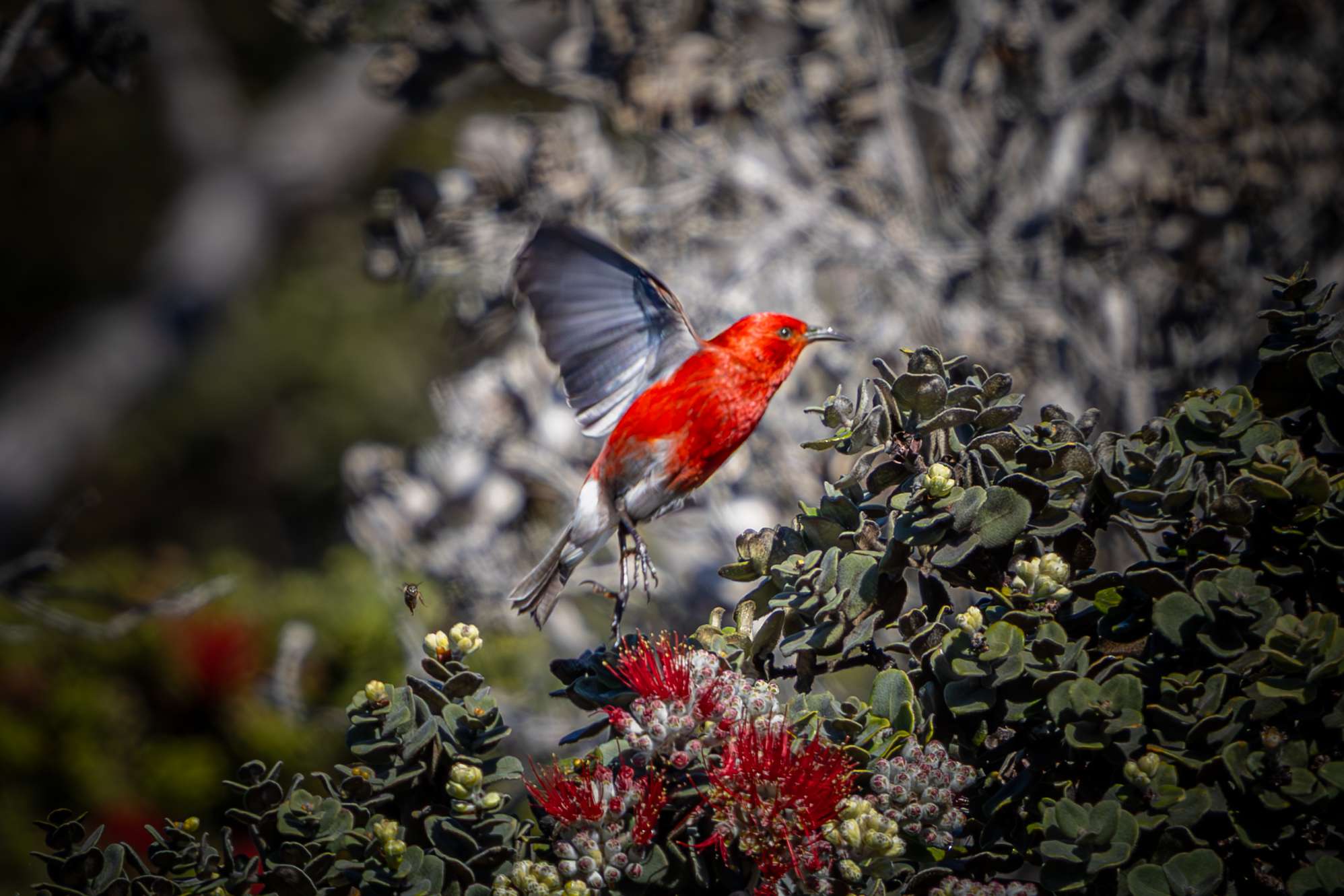
Apapane often dart swiftly among tree branches. Their bright red plumage can be seen flitting high in the canopy. This erratic movement marks their feeding rituals and territorial flights. Their feeding habits are equally engaging to watch. Primarily nectar feeders, they play a vital role in pollination. Watching them move from flower to flower is a testament to their ecological importance. Together, the Apapane’s song and behavior paint a complete picture. For birdwatchers, taking the time to listen and watch offers rewarding experiences. These lively birds bring Hawaii’s vibrant ecosystems to life through sight and sound.
Conservation Challenges and Success Stories
The Apapane, like many other endemic Hawaiian birds, faces significant conservation challenges. Habitat loss is a major threat to their survival. Deforestation and land use changes reduce their natural environments. Invasive species present another challenge. Introduced birds and mammals compete for resources. Some also pose direct threats to Apapane populations through predation. Despite these challenges, there have been notable conservation successes. Protected areas and wildlife refuges offer vital havens for the Apapane. Hawaii’s national parks play a crucial role in preserving their habitats.
Key Conservation Efforts:
- Establishment of protected areas
- Control of invasive species
- Community engagement and education
- Reforestation projects
Efforts to control invasive species have seen progress. Programs aim to reduce the population of feral animals that disrupt ecosystems. This helps bolster the Apapane’s habitat and food sources. Community involvement has been essential in these conservation efforts. Local awareness and participation increase the effectiveness of environmental programs. Education initiatives highlight the importance of preserving native species and their ecosystems. Continued conservation work remains essential for the Apapane’s future. Supporting these efforts helps secure a sustainable environment for Hawaii’s native birds. The resilience of these conservation programs ensures that Apapane populations can thrive for generations to come.
Cultural Significance of Apapane in Hawaii
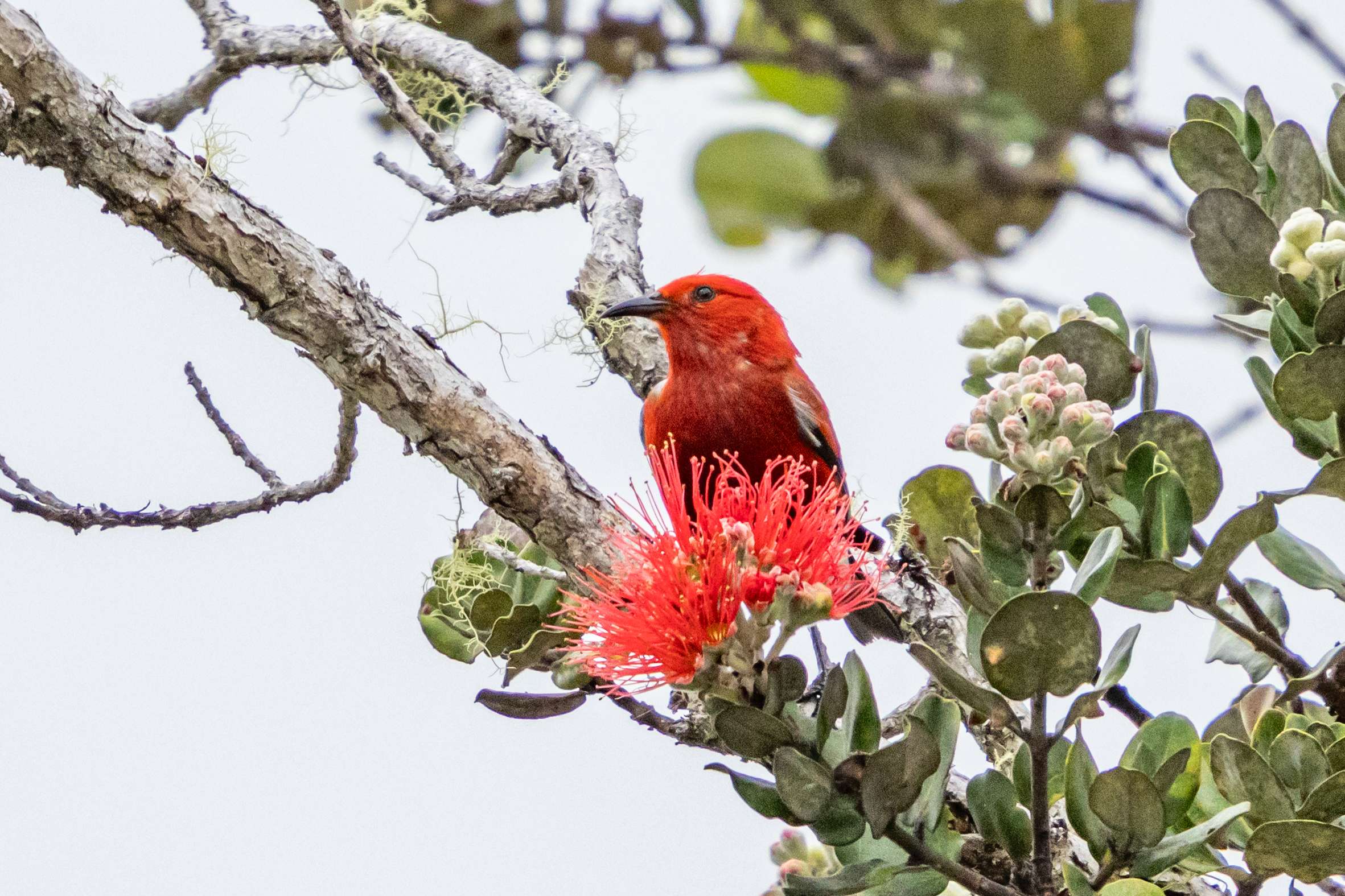
The Apapane holds a special place in Hawaiian culture and folklore. Its presence is woven into the spiritual and daily lives of the islanders. As a symbol of beauty and song, the Apapane inspires many Hawaiian myths and traditions. Traditionally, the feathers of the Apapane, with their vibrant red hue, were highly prized. Hawaiian royalty used these feathers in elaborate garments and ceremonial objects. This use was more than ornamental; it was a testament to the bird’s revered status.
Cultural Connections:
- Symbol of renewal and life
- Inspiration for traditional chants and dances
- Embodiment of the spirit of the forest
In Hawaiian chants and dances, the Apapane often signifies renewal and life. It is seen as an embodiment of the forest’s spirit, playing a role in rituals that celebrate nature. Through its melodic song, the Apapane connects people to the natural world. Today, engaging with the cultural significance of the Apapane enriches the birdwatching experience. It offers insights into the deep connections between Hawaiian culture and the environment. By understanding this relationship, birdwatchers gain a deeper appreciation of the Apapane beyond its physical beauty.
Planning Your Birdwatching Adventure: Practical Guide
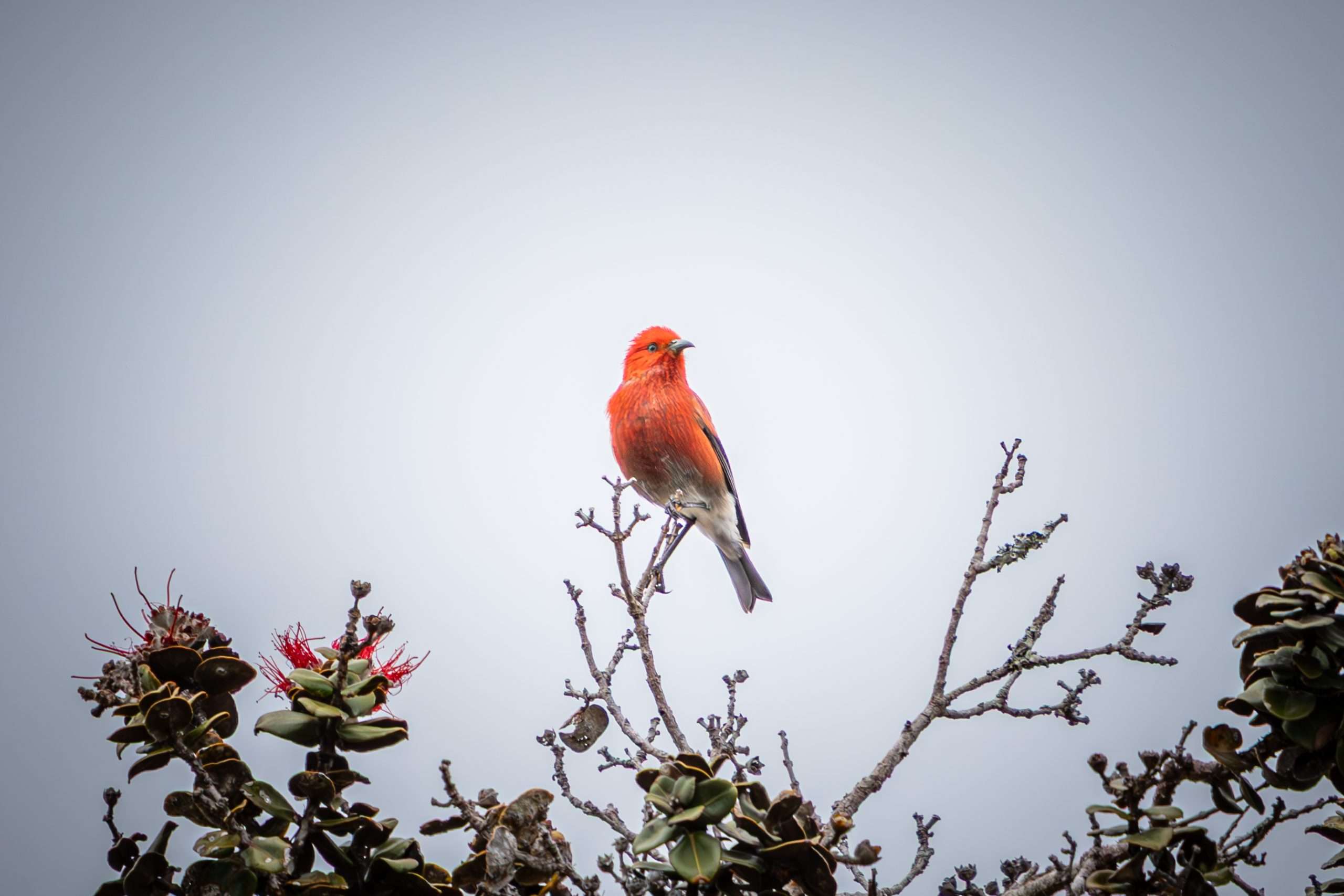
Planning a birdwatching trip focused on the Apapane in Hawaii can be enriching. Start with understanding the environments these birds thrive in. It enhances chances of successful sightings. Preparing for weather changes is crucial. Hawaii’s weather can vary widely within short distances. Lightweight, waterproof clothing is advisable for comfort. For best results, birdwatchers should plan their outings during early morning hours. This is when Apapanes are most active. Bring along essential gear to enhance the experience.
Essential Gear for Birdwatching:
- Binoculars for clear, distant views
- A reliable field guidebook
- Camera with a telephoto lens
- Notebook for recording sightings
Hiring a local guide familiar with Apapane habitats can be highly beneficial. Our birdwatching tours offer insights into lesser-known locations and behaviors. They can transform a regular outing into an educational experience. Planning involves respecting the natural environment. Use established trails to minimize impact. Adhering to these principles ensures that both wildlife and ecosystems are preserved for future generations. Lastly, merge birdwatching with other eco-friendly activities. Hiking through natural trails or visiting botanical gardens enhances an appreciation of Hawaii’s diverse landscape. A well-planned itinerary allows you to enjoy nature while learning about its complex, interconnected systems.
Responsible Birdwatching: Ethics and Conservation
Birdwatching can deeply impact the environment and bird populations. Thus, ethical practices are essential for minimizing disturbance. Observing without interfering ensures habitats remain intact. To protect our feathered friends, adopt the Leave No Trace principles. This includes respecting wildlife and not feeding birds. Strive to leave habitats as you found them, or better.
Ethical Birdwatching Practices:
- Maintain a respectful distance from birds
- Avoid loud noises or sudden movements
- Do not disturb nests or breeding areas
- Dispose of waste responsibly
Promoting conservation through your birdwatching activities can make a difference. Share observations to support citizen science projects. Consider joining local conservation groups to further contribute to habitat preservation. By integrating these practices, birdwatchers not only enjoy their hobby but also play a part in safeguarding the natural world for generations to come. Engaging responsibly ensures that the wonder of Hawaiian birds endures, supporting broader ecological health.
Frequently Asked Questions About Apapane on the Big Island
Curious about spotting the Apapane on your visit? Many travelers have similar questions about this remarkable bird. Here are some common inquiries and helpful answers to enhance your birdwatching adventure.
Where is the best place to see the Apapane? Hawaii Volcanoes National Park and Hakalau Forest are top choices.
When is the best time to spot Apapane? Early mornings and late afternoons are ideal.
What should I bring for Apapane birdwatching? Consider bringing binoculars, comfortable attire, and a field guide to Hawaiian birds.
These tips will guide you in witnessing the Apapane’s stunning beauty amidst Hawaii’s lush forests.
Conclusion: The Lasting Magic of Birdwatching Apapane
Birdwatching Apapane in Hawaii is an unforgettable experience, filled with vibrant colors and enchanting songs. This endeavor connects people with the islands’ unique biodiversity and cultural heritage. Whether a seasoned birder or a curious traveler, witnessing the Apapane in its natural habitat is both inspiring and educational. This adventure fosters appreciation for nature’s splendor and underscores the importance of conservation efforts.