


Adventure travel opens doors to extraordinary experiences that transform ordinary vacations into unforgettable journeys. Whether you’re drawn to scaling mountain peaks, exploring ancient ruins, or witnessing wildlife in its natural habitat, choosing the right adventure tour can make the difference between a good trip and a life-changing expedition. Smart travelers know that thorough research and careful consideration lead to the most rewarding adventures.
The adventure tourism industry offers countless options, from single-day excursions to multi-week expeditions across continents. Each tour promises unique thrills, but not every adventure suits every traveler. Your perfect adventure depends on numerous factors that require careful evaluation before booking.
Making informed decisions about adventure tours ensures you’ll enjoy safe, exciting experiences that match your expectations and abilities. The following considerations will help you navigate the selection process and find tours that deliver exactly what you’re seeking.
Evaluate Your Physical Fitness Level
Adventure tours demand varying levels of physical capability. Honest self-assessment prevents disappointing experiences and potential safety risks. Tours typically categorize difficulty levels from easy to extreme, but these classifications can vary between operators.
Easy tours might involve gentle hiking on well-maintained trails or leisurely cycling through scenic routes. Moderate adventures could include multi-day trekking with daily distances of 8–12 miles or water activities requiring basic swimming skills. Challenging expeditions often demand excellent cardiovascular fitness, previous outdoor experience, and the ability to carry heavy packs for extended periods.
Consider recent physical activities and current fitness routines when evaluating tour requirements. If you haven’t exercised regularly in months, jumping into a strenuous mountain climbing expedition could prove miserable or dangerous.
Research the Tour Company’s Safety Record
Safety standards separate reputable adventure operators from those cutting corners to maximize profits. Established companies maintain comprehensive safety protocols, employ certified guides, and carry appropriate insurance coverage.
Investigate operator certifications from recognized adventure travel associations. Look for memberships in organizations like the Adventure Travel Trade Association (ATTA) or regional equivalents that enforce industry standards. Read recent reviews focusing specifically on safety practices and emergency procedures.
Examine the company’s guide-to-participant ratios, emergency communication equipment, and first aid capabilities. Quality operators provide detailed safety briefings, maintain well-serviced equipment, and have clear evacuation procedures for remote locations.
Determine Your Budget and Value Expectations
Adventure tour prices vary dramatically based on destination, duration, accommodation standards, and included services. Budget-conscious travelers can find excellent day trips and basic camping expeditions, while luxury seekers might prefer high-end lodges and gourmet meals in exotic locations.
Calculate total costs including tour fees, flights, gear rental, tips, and incidental expenses. Some operators offer all-inclusive packages that simplify budgeting, while others charge separately for meals, accommodation, and equipment.
Value extends beyond price alone. Consider what’s included in tour costs: guide expertise, group sizes, accommodation quality, meals, and emergency support. Sometimes, paying more upfront saves money and stress later.
Consider Seasonal Weather and Conditions
Timing significantly impacts adventure experiences. Weather patterns, wildlife migrations, and seasonal accessibility affect both safety and enjoyment. Research optimal seasons for your chosen destination and activities.
Some adventures require specific weather windows. Mountain climbing expeditions need stable conditions, while wildlife viewing tours depend on animal behavior patterns. Monsoon seasons can make certain regions inaccessible, while extreme temperatures might create uncomfortable or dangerous conditions.
Popular destinations often experience peak seasons with higher prices and crowded attractions. Off-peak seasons frequently offer better weather, fewer crowds, and reduced costs, though some services might operate on limited schedules.
Assess Group Size and Composition
Group dynamics greatly influence adventure experiences. Large groups often receive discounted rates but might move more slowly and offer less personalized attention. Small groups typically provide more flexibility, individual guidance, and authentic local interactions.
Consider your personality and travel preferences. Extroverted travelers might enjoy meeting new people in larger groups, while introverts often prefer intimate settings. Some tours cater to specific demographics like solo travelers, couples, or families with children.
Age ranges and fitness levels within groups affect pace and activities. Mixed-ability groups might spend time waiting for slower participants or skip challenging optional activities to accommodate everyone.
Review Accommodation Standards
Adventure tours offer accommodation ranging from basic camping to luxury eco-lodges. Your comfort preferences and budget determine appropriate choices. Some travelers embrace rustic camping as part of the adventure, while others need comfortable beds and private bathrooms to enjoy the experience.
Research specific accommodation details rather than relying on general categories. “Comfortable camping” might mean anything from basic tents to glamping with real beds and electricity. Lodge descriptions should include amenities, meal arrangements, and bathroom facilities.
Remote locations might offer limited accommodation options regardless of tour price. Mountain base camps and wilderness areas typically provide basic facilities even on expensive expeditions.
Examine What’s Included in Tour Packages
Tour inclusions vary significantly between operators and price points. Comprehensive packages might cover all meals, accommodation, guides, equipment, permits, and transportation. Budget options often include only basic services, requiring additional expenses for meals, gear, and extras.
Common inclusions to verify:
- Professional guide services and expertise
- All necessary permits and entrance fees
- Transportation to and from starting points
- Accommodation throughout the tour duration
- Meals and drinking water provisions
- Safety equipment and emergency supplies
- Activity-specific gear rental or provision
Hidden costs can quickly inflate budgets. Ask specifically about tips, gear rental, optional activities, and emergency evacuation insurance.
Understand Guide Qualifications and Expertise
Guides transform good adventures into exceptional experiences through their knowledge, skills, and local connections. Qualified guides possess relevant certifications, extensive local knowledge, and the ability to handle emergencies effectively.
Mountain guides should hold internationally recognized climbing certifications. Wildlife tour guides need comprehensive knowledge of local ecosystems and animal behavior. Cultural tour guides should speak local languages and understand historical contexts.
Experience levels matter significantly. Guides leading challenging expeditions need years of relevant experience and proven track records in similar conditions. Newer guides might excel at easier tours but lack skills for demanding adventures.
Consider Equipment and Gear Requirements
Adventure activities often require specialized equipment that can be expensive to purchase for occasional use. Many tour operators provide the necessary gear, while others expect participants to bring their own equipment.
Evaluate gear rental options, quality standards, and additional costs. High-quality equipment enhances safety and comfort, while substandard gear can ruin adventures or create dangerous situations. Some tours offer equipment lists specifying required and recommended items.
Consider shipping costs and airline restrictions when traveling with personal gear. International flights often limit luggage weight and prohibit certain items like camping stoves or climbing hardware.
Your Next Adventure Awaits
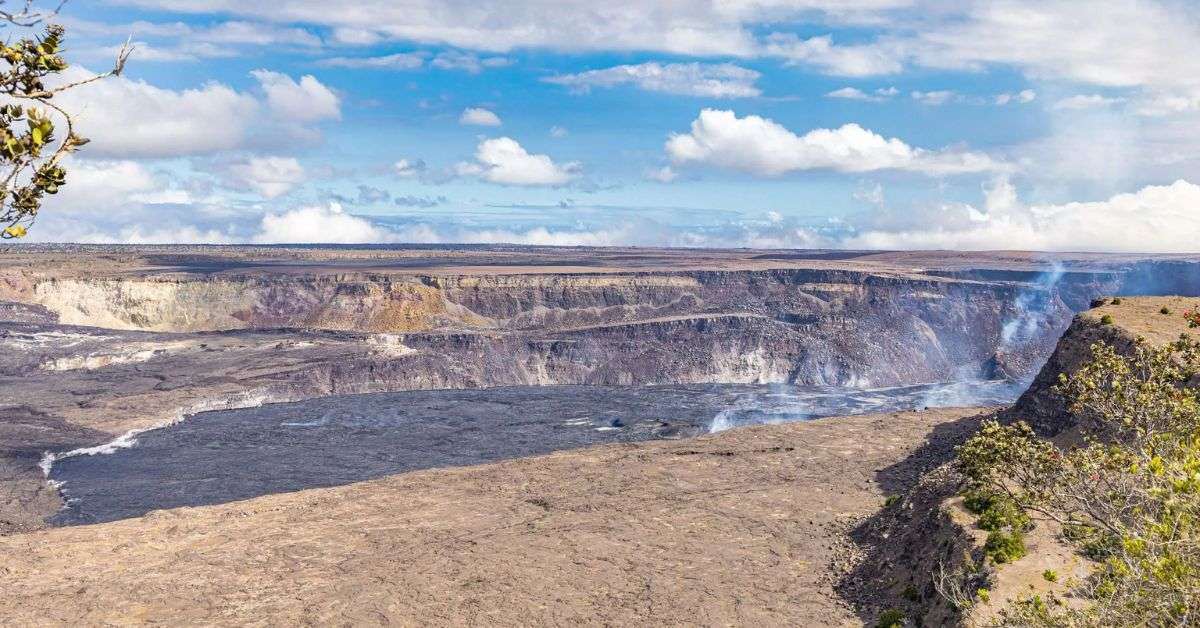
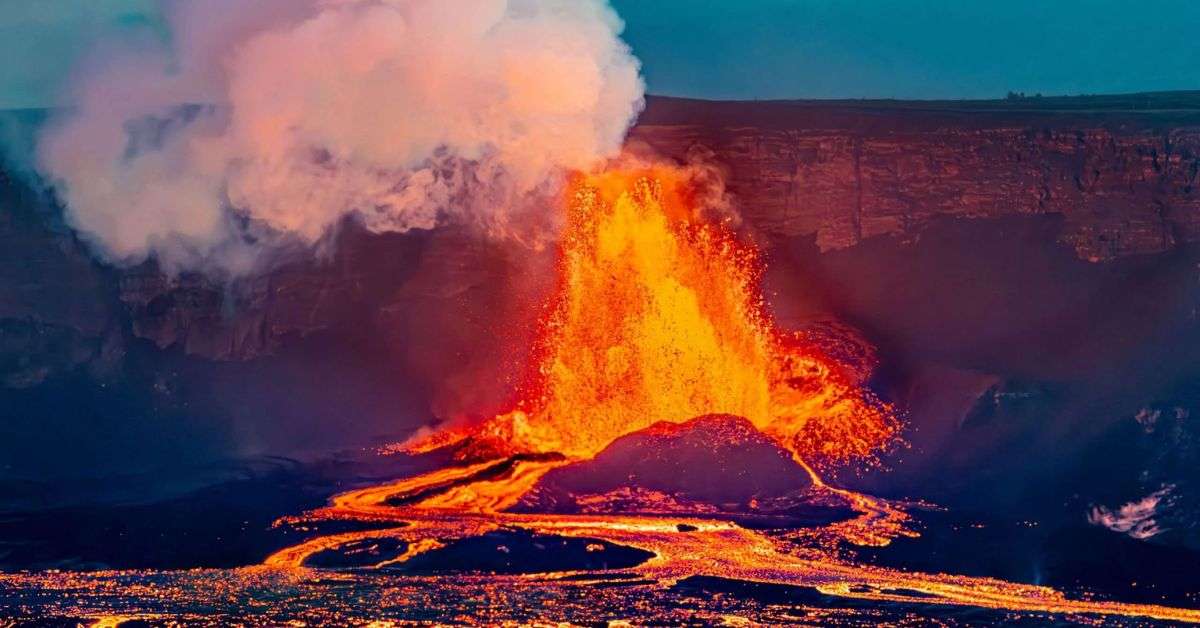
Selecting the perfect adventure tour requires careful consideration of multiple factors that affect safety, enjoyment, and value. Our Kilauea volcano tours, for example, might be just the right kind of adventure for you!
The effort invested in choosing the right adventure tour pays dividends through unforgettable experiences, lasting memories, and the confidence to tackle even greater adventures in the future. Start planning your next expedition by applying these considerations to tours that spark your imagination and match your abilities.


