


The Rich History of 100% Kona Coffee
Nestled on the Big Island of Hawaii, Kona coffee is a treasure. Its rich history and unique flavor captivate coffee lovers worldwide. The story of 100% Kona Coffee begins in the early 19th century. Samuel Ruggles introduced coffee to the Kona region in 1828. The volcanic soil and ideal climate create perfect conditions for growing Kona coffee beans. This results in a smooth, rich flavor profile. Kona coffee farms are often family-owned, preserving traditional methods. Visitors can explore these farms through guided tours. Our tours offer a glimpse into the meticulous process of coffee production. From seed to cup, each step is an art form. Experience the allure of real Kona coffee and its cultural significance. Discover why it remains a symbol of Hawaiian hospitality.
The Origins of Kona Coffee: From Seed to Legacy
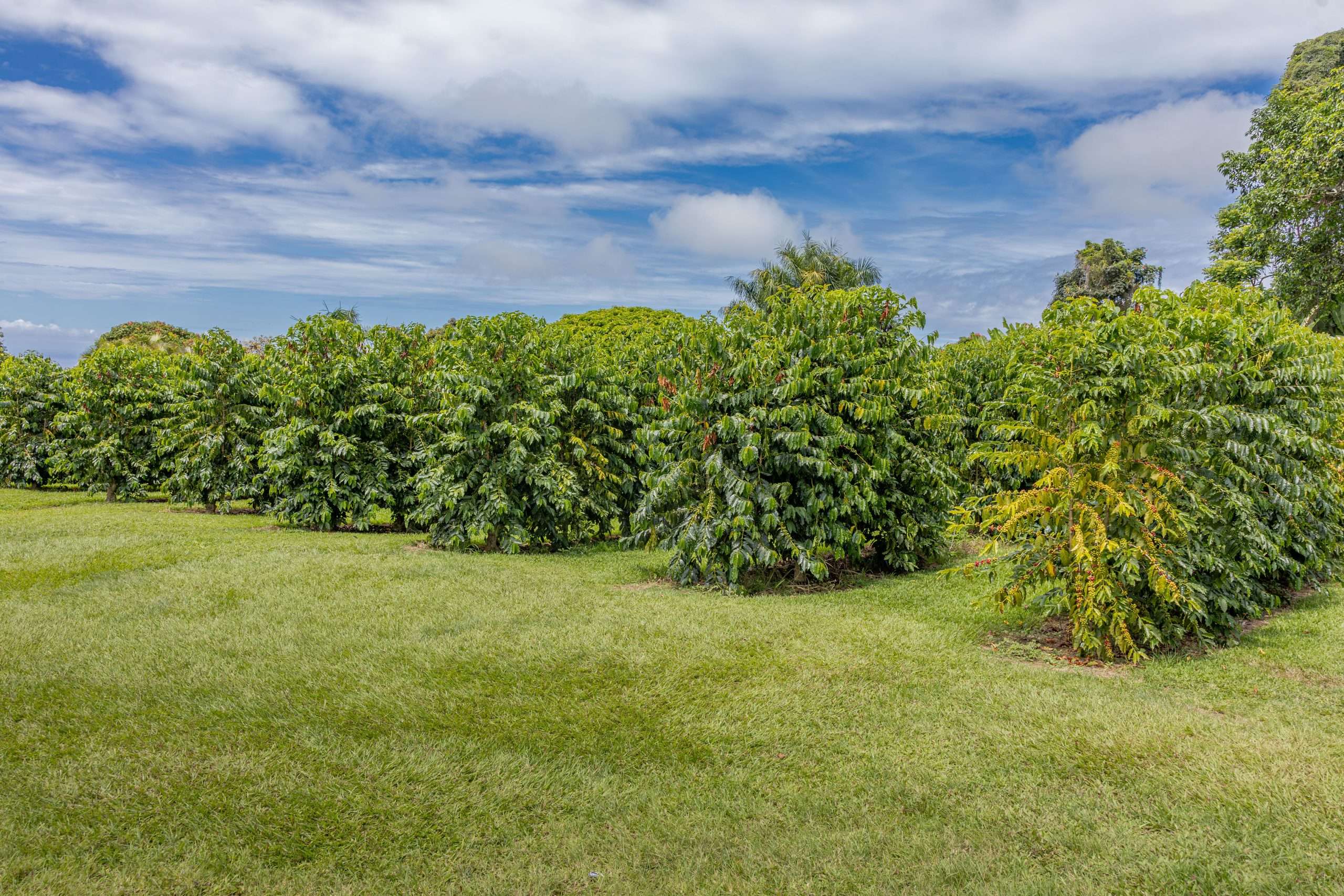
The journey of Kona coffee began in 1828. Samuel Ruggles, an American missionary, brought the coffee plant to Kona. This marked the beginning of a legacy. Kona’s volcanic soil and tropical climate were ideal for coffee cultivation. The plants thrived, establishing a new agricultural industry in the region. Over the years, the coffee plants adapted to the unique microclimates of the Kona Districts. This gave rise to the distinct flavor profiles beloved by many. The early plantations were small and family-operated. Each family nurtured their coffee plants with dedication and hard work. Coffee soon became a cultural staple in Kona. It integrated into the daily lives of the locals, symbolizing perseverance and community spirit. The legacy of Kona coffee isn’t just in the beans. It’s also in the people who have cultivated them through generations. These farmers have preserved their traditions and stories.
The Unique Terroir of the Kona Coffee Belt
Kona coffee’s distinct flavor stems from its unique growing conditions. The Kona Coffee Belt, a narrow strip on the Big Island, offers a perfect blend of sun, rain, and rich volcanic soil. This terroir creates an environment ideal for cultivating the finest coffee.
Several factors contribute to the exceptional quality of Kona coffee, including:
- Volcanic soil rich in nutrients
- Consistent rainfall balanced with sunlight
- Mild temperatures due to elevation
The combination of these elements results in coffee beans with exceptional balance and complexity. The beans display floral notes, mild acidity, and a smooth finish. The character of the soil makes every cup taste unique. Kona’s microclimates influence each farm’s harvest. This subtle variation allows for a range of flavor profiles across the district. Coffee lovers savor the nuances in each batch. The Kona Coffee Belt’s unique environment makes it unlike any other coffee region. It offers a product truly of its place.

The Journey of Kona Coffee Through History
Kona coffee’s story began in the early 19th century. In 1828, Samuel Ruggles brought coffee plants to the Kona district. This marked the beginning of a vibrant industry. The coffee industry in Kona faced numerous challenges over the years. Pests and economic downturns threatened its survival. Yet, local farmers’ resilience led to its enduring success. In the late 1800s, immigrant workers significantly contributed to this journey. They brought diverse techniques and an intense work ethic. This blend of cultures shaped Kona’s unique coffee-growing practices. Despite hard times, the coffee’s quality captivated taste buds worldwide. It soon earned a reputation for its rich flavors. Word spread quickly, attracting coffee enthusiasts and connoisseurs.
Kona coffee’s popularity has only grown. Today, it is celebrated as a symbol of Hawaiian culture and history. It stands out on the global coffee stage with its smooth, distinct taste. The history of Kona coffee intertwines with Hawaii’s cultural tapestry. Its journey from humble beginnings reflects innovation and perseverance. The beans now tell a story of community, tradition, and passion.
What Makes 100% Kona Coffee So Special?
The magic of 100% Kona coffee lies in its uniqueness. Grown only in the Kona Districts on Hawaii’s Big Island, it benefits from a perfect climate. The volcanic soil, elevation, and consistent rainfall create ideal growing conditions. Each sip of pure Kona coffee delivers a delight to the senses. It is known for its smooth, rich flavor. Most tasters note hints of fruit and nuts, setting it apart from other coffees.
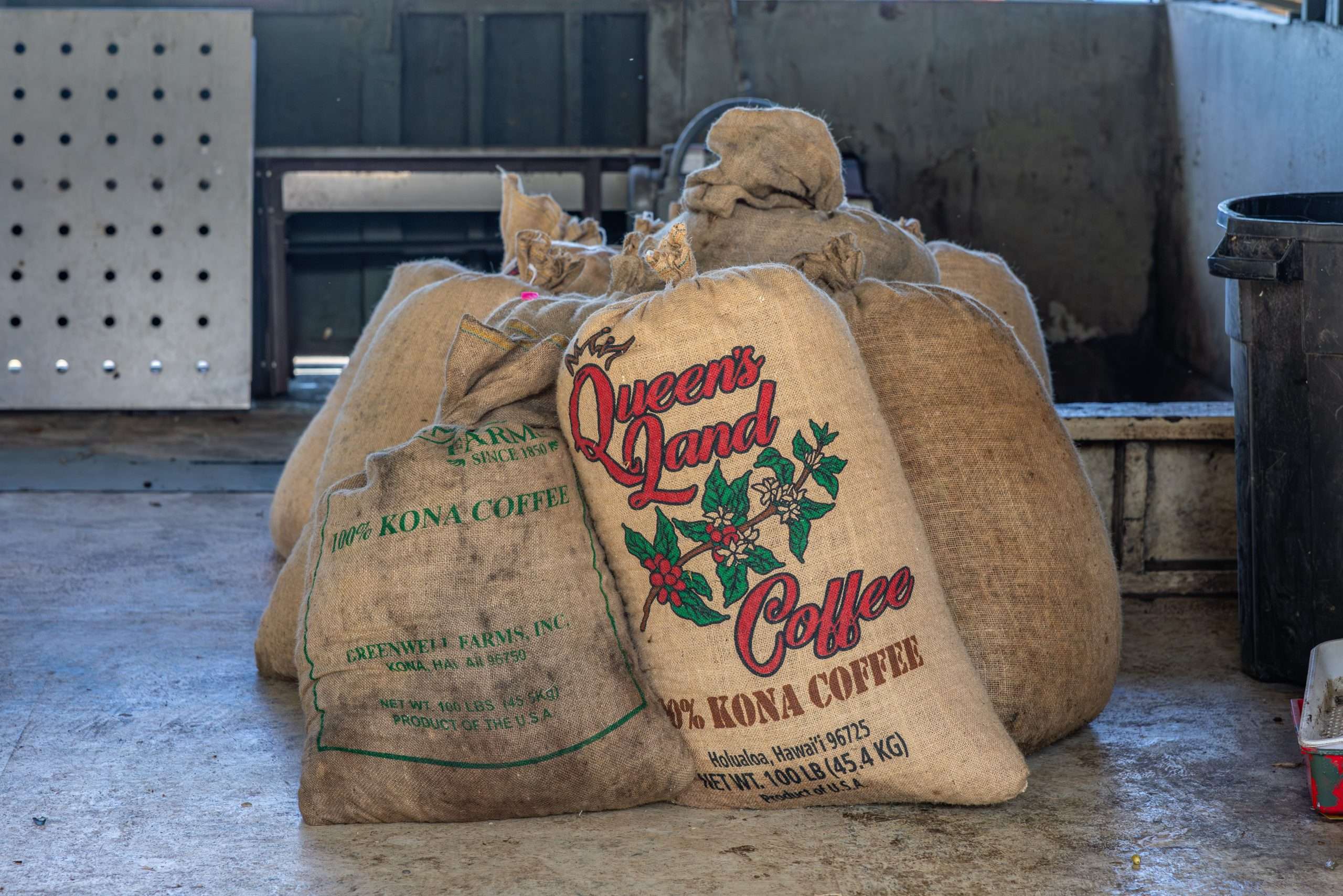
A key element of its charm is the meticulous production process. Every step, from seed to cup, is handled with care. This ensures a high-quality product that captures the Kona essence. Only coffee grown within specific Kona areas can carry the prestigious label of 100 percent Kona coffee. This guarantee of origin protects its authenticity. It also maintains the strict quality standards expected by enthusiasts.
Special attributes of 100% Kona coffee include:
- Unique microclimates influence flavor
- Hand-picked for optimal quality
- Cultivated on family-owned farms using traditional methods
Kona coffee’s limited production heightens its allure. Small batches and intense demand drive its market value, making it one of the most sought-after coffees. The exclusivity adds to its prestige among coffee lovers worldwide.
The Art and Science of Kona Coffee Production
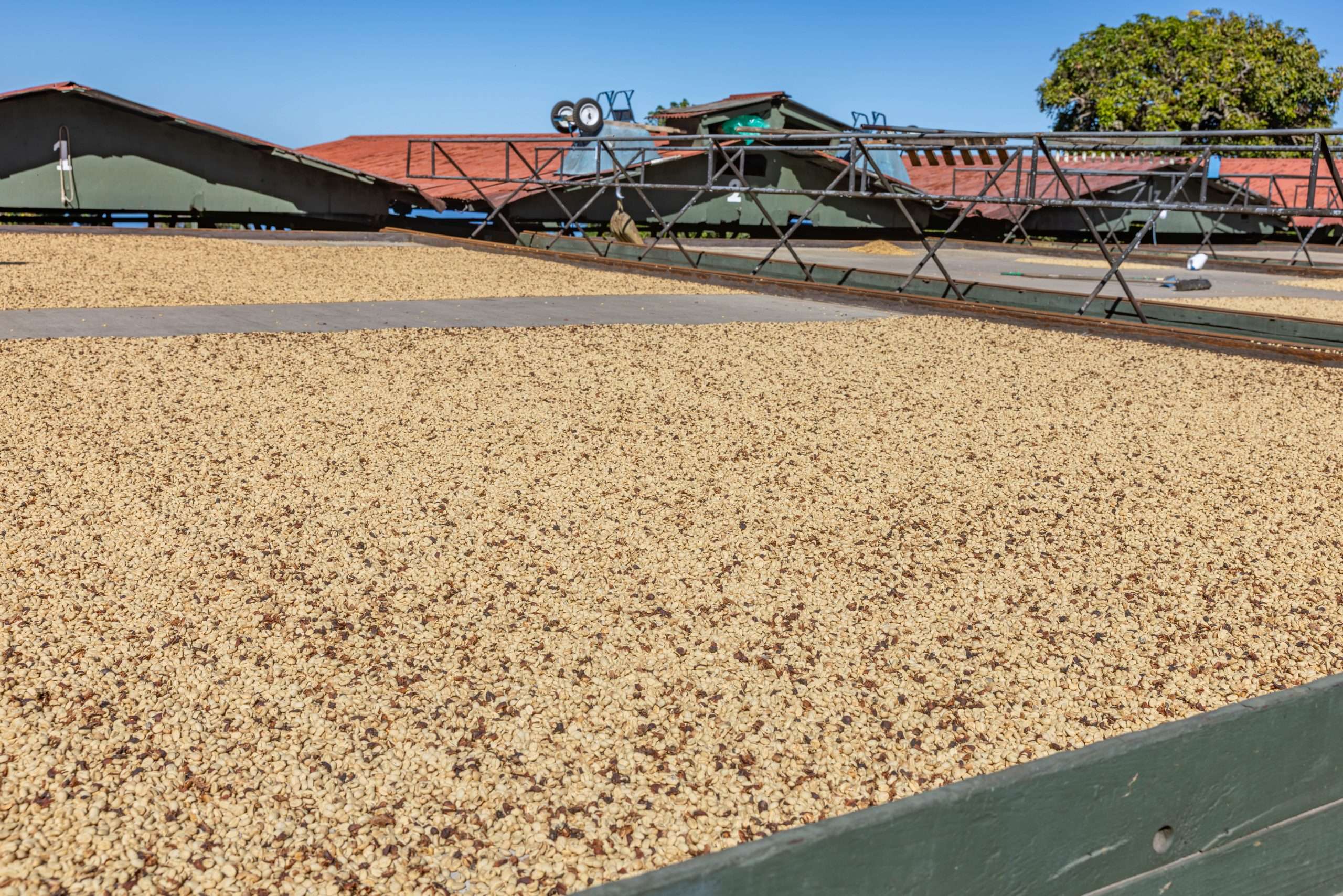
Producing Kona coffee combines traditional art with modern science. Farmers harness nature’s gifts, guided by generations of wisdom. This careful stewardship begins with selecting the finest seeds, a critical step in ensuring quality. Climate plays a vital role in cultivation. The Kona region benefits from sunny mornings, cloudy afternoons, and gentle rainfall. This natural cycle supports the growth and maturation of the coffee cherries.
Harvesting is an art form itself. Workers hand-pick the ripe cherries, often making several passes during the season. This labor-intensive process ensures only the best cherries are gathered, maintaining the high standards expected of Kona coffee. Processing the coffee cherries involves several delicate stages. Each stage, from pulping to fermentation, demands precise timing and conditions. Any misstep could affect the final flavor profile of the beans. Roasting completes the journey from farm to cup. Roasters use their skills to coax out the nuanced flavors unique to Kona beans. This step is crucial to preserving the coffee’s rich, smooth taste that enthusiasts celebrate.
Visiting a Kona Coffee Farm: An Unforgettable Experience
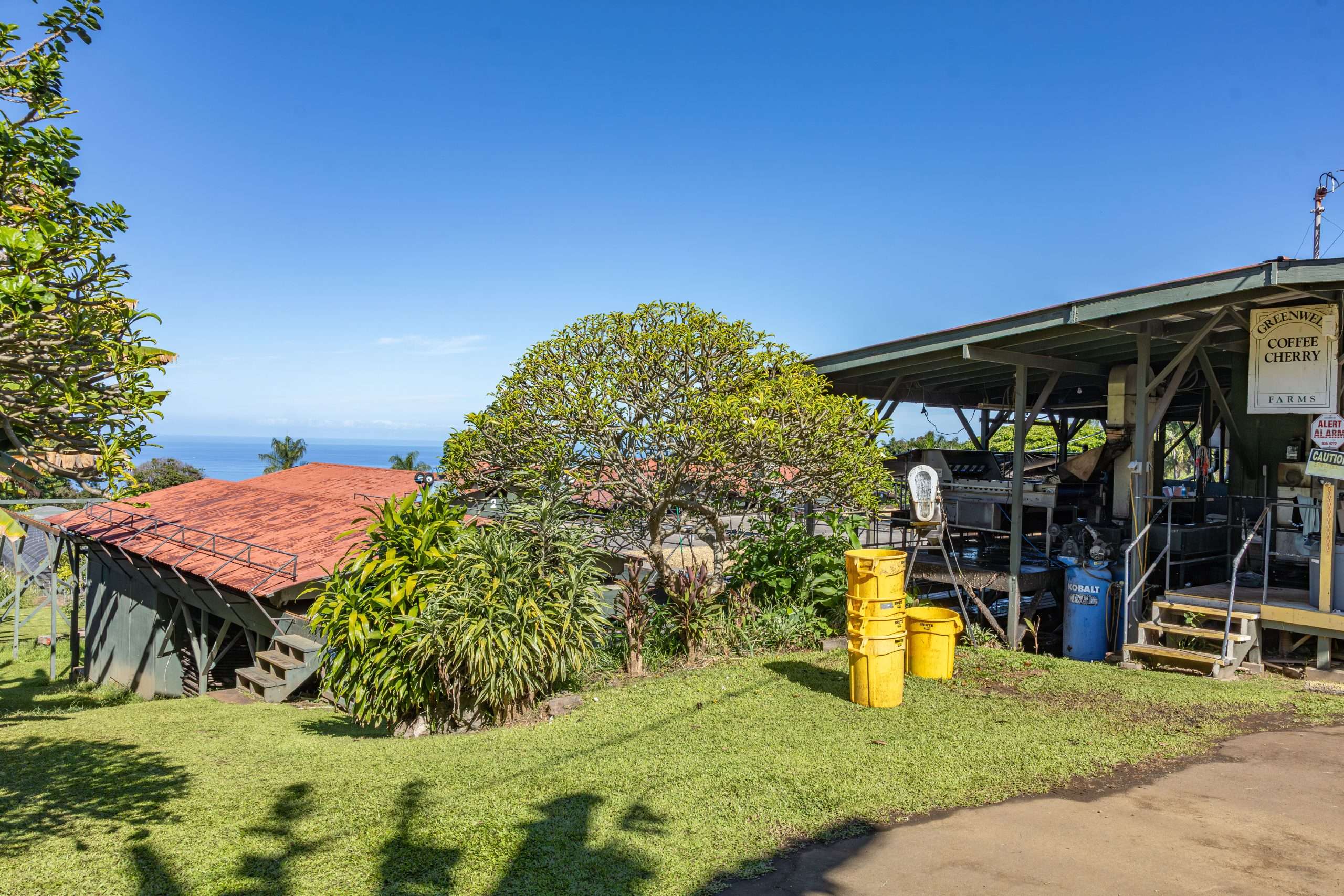
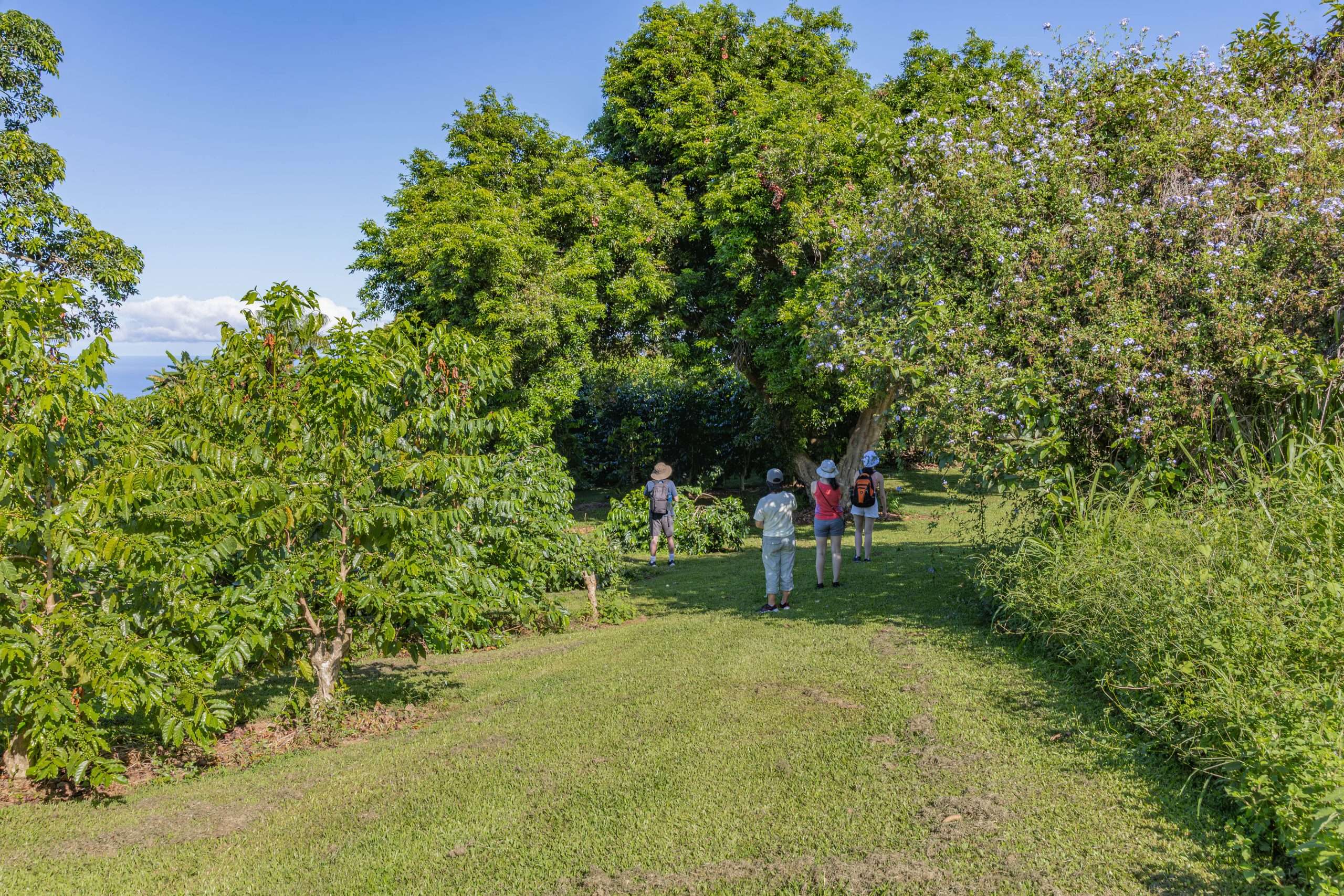
Visiting a Kona coffee farm immerses you in a world where tradition meets nature. Each visit offers a chance to learn and taste, connecting with Hawaii’s vibrant culture. The welcoming aroma of freshly roasted coffee fills the air, setting the scene for an unforgettable day. Our tours often begin with a fascinating journey through the lush coffee fields. Guides explain the stages of coffee cultivation, sharing stories of the farm’s history. You’ll gain insights into the meticulous process of growing and harvesting Kona coffee.
Interactive demonstrations are part of the experience. Visitors can see how cherries are processed into the beans that become a world-renowned brew. This hands-on approach deepens appreciation for the effort behind each cup. A visit wouldn’t be complete without a tasting session. Sample the farm’s finest brews, savoring the unique flavors of 100% Kona coffee. Each sip captures the essence of its origin, offering a glimpse into the rich coffee-making tradition.
When planning your visit, consider a tour that includes:
- A walk through coffee fields
- Demonstrations of processing techniques
- Tasting sessions with expert guidance
Kona Coffee Farm Tours: What to Expect
Embarking on a Kona coffee farm tour unveils the secrets behind Hawaii’s prized coffee. These tours combine education with exploration, offering a holistic view of coffee production. From seed to cup, each step reveals the dedication and artistry involved. Tours are tailored to introduce visitors to the unique landscape of Kona coffee farms. Guides provide detailed explanations of the growing conditions that make Kona beans special. The mountainous terrain and fertile volcanic soil are key contributors to their rich flavor.
Many tours include opportunities to interact with knowledgeable coffee farmers. This interaction provides valuable insights into traditional farming techniques and modern sustainability practices. Engaging with the people who tend to the crops adds a personal touch to the experience.
Expect to partake in:
- Guided walks through coffee plantations
- Detailed discussions about farming techniques
- Tastings of freshly brewed Kona coffee
The Kona Coffee Cultural Festival: Celebrating Heritage
Every year, Kona hosts a vibrant celebration of its coffee legacy. The Kona Coffee Cultural Festival highlights the region’s rich cultural tapestry. It brings together coffee lovers, locals, and visitors for a shared appreciation of this unique brew. Throughout the festival, attendees can enjoy a variety of events, from coffee tastings to educational seminars. Farmers showcase their crops, offering an in-depth look at the meticulous work behind every cup. Interactive sessions allow participants to deepen their understanding of both history and flavor. This festival is more than just a tribute to coffee. It’s a celebration of the resilience and unity of the Kona community. By honoring their heritage, the festival helps ensure the legacy of real Kona coffee endures.
Protecting the Legacy: Authenticity and Sustainability
The integrity of 100% Kona Coffee hinges on authenticity and sustainable practices. To preserve its reputation, strict regulations and certifications are in place. These ensure that only coffee grown in the Kona Districts can bear the coveted label. Farmers are committed to environmental stewardship. They use sustainable practices that safeguard the fertile volcanic soils. This commitment helps maintain the ecosystem and ensures the finest quality beans. Groups like the Kona Coffee Farmers Association advocate for fair labeling and sustainable farming. Their efforts aim to protect the legacy of Hawaiian Kona coffee beans and support the local economy. This dedication ensures the future of pure Kona coffee remains bright.
Savoring the Experience: Tasting Real Kona Coffee
Tasting real Kona coffee is a feast for the senses. Each sip offers unique flavors, showcasing the distinctive terroir of the region. The experience is akin to taking a journey through the lush landscapes of Hawaii.
The tasting notes of Kona coffee include:
- Floral aromas with a sweet undertone
- Hints of fruit and nuts
- A smooth, rich finish that lingers
Enthusiasts often describe it as a sensory delight. Its exquisite balance and depth make it highly sought after by coffee lovers worldwide. For those visiting the Big Island, savoring a fresh cup from a local farm is a must-do experience.
Conclusion: The Enduring Allure of 100 Percent Kona Coffee
The legacy of 100% Kona coffee is a testament to Hawaii’s rich cultural heritage and natural beauty. Its unique flavor profile continues to captivate coffee lovers around the globe. Visiting the Kona region not only offers a taste of exceptional coffee but also a deeper connection to its storied past. The dedication of its farmers ensures its enduring charm for generations to come.


