


Hawaii’s volcanoes captivate travelers with their majestic presence and fiery displays. Yet, misconceptions abound about these natural wonders. Many believe all eruptions are explosive, but this isn’t true. Most Hawaiian eruptions are gentle lava flows. Volcanoes in Hawaii are among the most studied globally. Scientists monitor them closely, ensuring visitor safety. Despite myths, visiting during volcanic activity can be safe. Proper precautions and guidance make it a rewarding experience. Volcano tourism is a significant part of Hawaii’s economy. It offers unique insights into Earth’s dynamic processes. Understanding the cultural significance of these volcanoes is crucial. They hold deep meaning for Native Hawaiians. Safety is paramount when exploring volcanic areas. Following guidelines ensures a safe and enriching adventure. Join us as we debunk myths and explore the facts about Hawaii’s volcanoes. Discover the truth behind the legends.
Summary
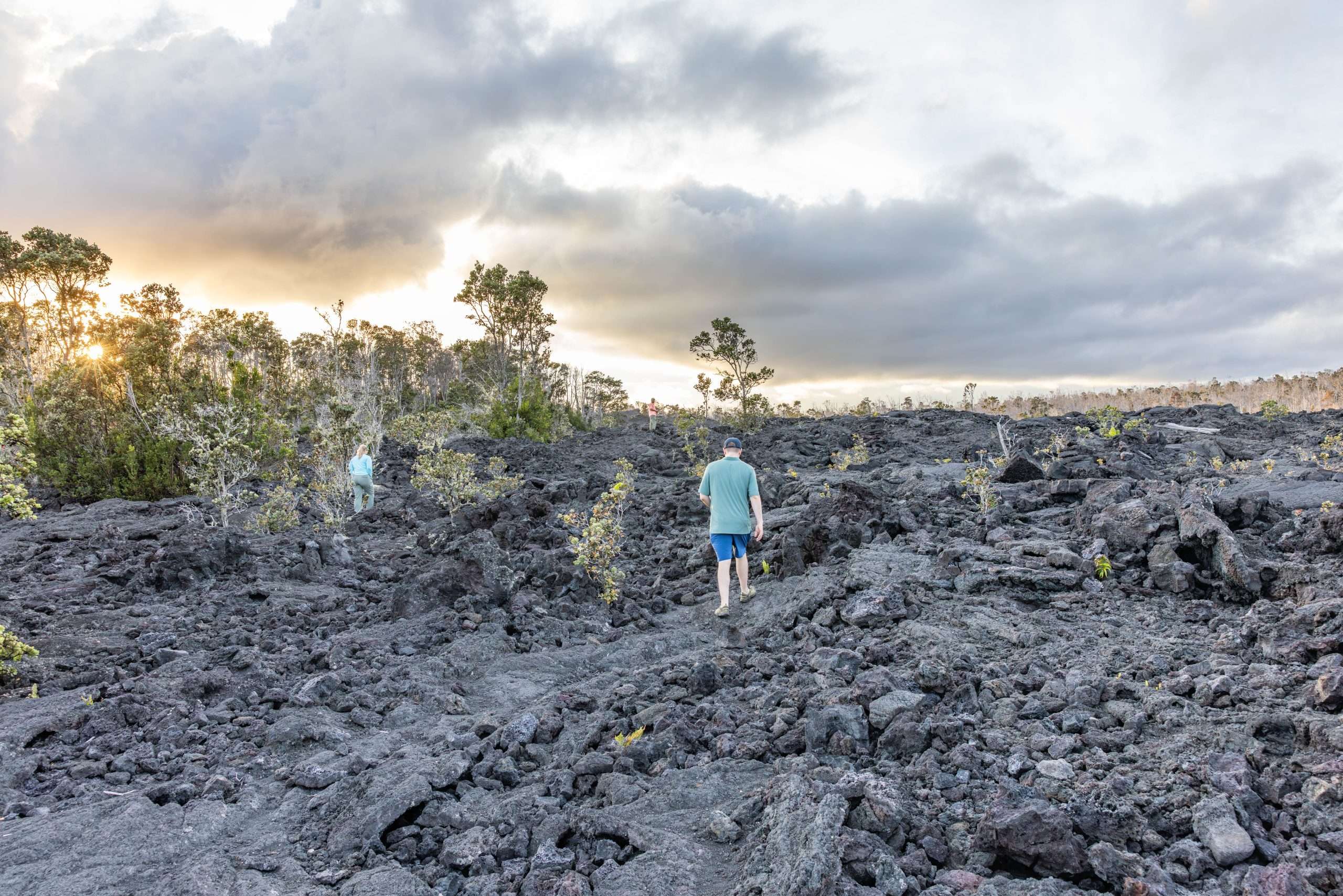
This guide separates myths from facts about Hawaii’s shield volcanoes, noting that most eruptions are effusive, closely monitored, and often safe to view from designated areas. It emphasizes safety practices, the role of monitoring and forecasting, and that hazards include gases and ground instability beyond lava flows. The article also highlights the cultural and ecological significance of these volcanoes and promotes responsible, respectful volcano tourism that benefits local communities.
The Unique Nature of Hawaii’s Volcanoes
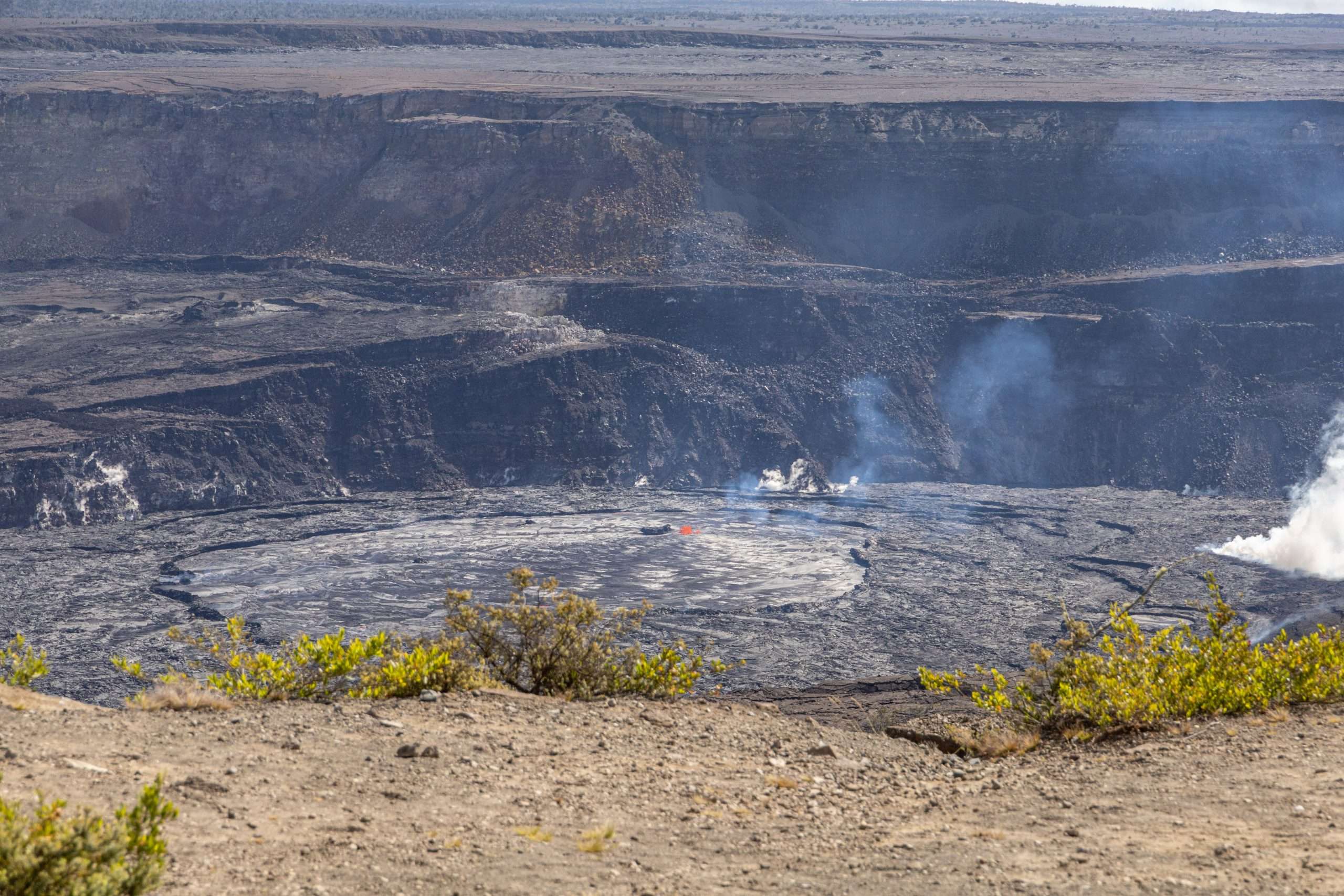
Hawaii’s volcanoes are distinct due to their formation and activity. They are primarily shield volcanoes with wide, gentle slopes. Unlike the explosive strato-volcanoes, shield volcanoes erupt with flowing lava. This often results in spectacular rivers of molten rock. Hawaii’s volcanic activity is integral to the island’s existence. Each eruption adds new land, shaping the diverse landscapes over millennia.
Key Features of Hawaii’s Volcanoes:
- Continuous Activity: Most of Hawaii’s volcanoes show frequent, but mild activity.
- Land Formation: The islands continue to grow with ongoing eruptions.
- Cultural Importance: These volcanoes are interwoven into local myths and traditions.
Hawaii’s volcanic system belongs to the famed Pacific Ring of Fire. This seismic region is known for its geological activity and beautiful landscapes. Kilauea and Mauna Loa are the most renowned volcanic giants on the islands. Both present unrivaled opportunities for scientific and recreational activities.
Common Hawaii Volcano Misconceptions
Volcanoes are fascinating yet misunderstood natural wonders. Hawaii’s volcanic activity often breeds myths and misconceptions. Many people believe these myths, limiting their understanding and appreciation. Let’s explore and debunk these ideas with factual insights.
One misconception is that all Hawaiian eruptions are dangerous. In reality, eruptions can vary in intensity and impact. Other myths suggest that eruptions cause havoc without warning, but science proves otherwise. Visitors often misunderstand volcanic safety, fearing visits during activity, which isn’t always justified.
Hawaii’s volcanoes are among the most studied worldwide. This ongoing research helps us better understand and predict activity. Let’s clarify some of these common myths with facts:
- Explosive Eruptions: Most are effusive, not destructive.
- Predictability: Advanced monitoring offers warnings.
- Visitor Safety: Proper precautions make visits rewarding.
- Lava Dangers: Other elements pose risks too.
- Dormancy: Not all volcanoes are active.
Myth 1: All Hawaiian Eruptions Are Explosive
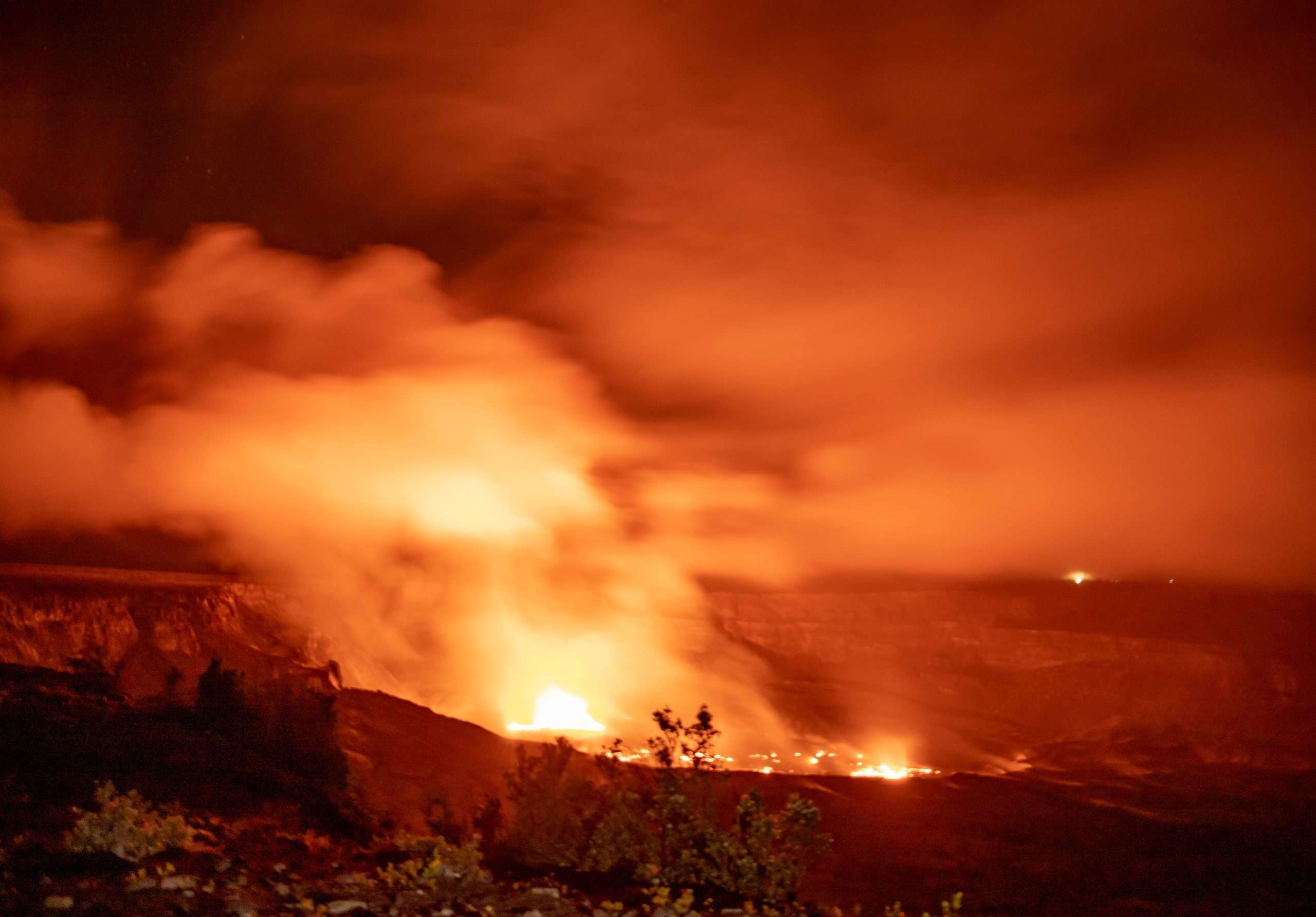
It is a widespread belief that Hawaii’s eruptions are always explosive. Many envision towering plumes and blasts of fiery debris. However, Hawaii is known for effusive eruptions, where lava flows rather than explodes. Shield volcanoes like those in Hawaii have gentle slopes and non-viscous lava. This allows lava to travel slowly across large areas. While dramatic, these eruptions do not typically involve violent explosions. Understanding this dispels fear that visiting during eruptions is dangerous. You can safely witness these geological events from designated viewing areas.
Myth 2: Volcanic Eruptions in Hawaii Are Unpredictable
Contrary to popular belief, Hawaiian eruptions are not entirely unpredictable. Extensive research and technology offer advanced monitoring systems. Scientists use tools like seismographs and satellite imagery. This data helps them detect changes in volcanic activity. Alerts are issued when significant activity is imminent, allowing for preparation and safety. This ability to forecast dispels the myth of unpredictability. Reliable predictions aid in ensuring safe experiences for travelers.
Myth 3: It’s Unsafe to Visit Hawaii During Volcanic Activity
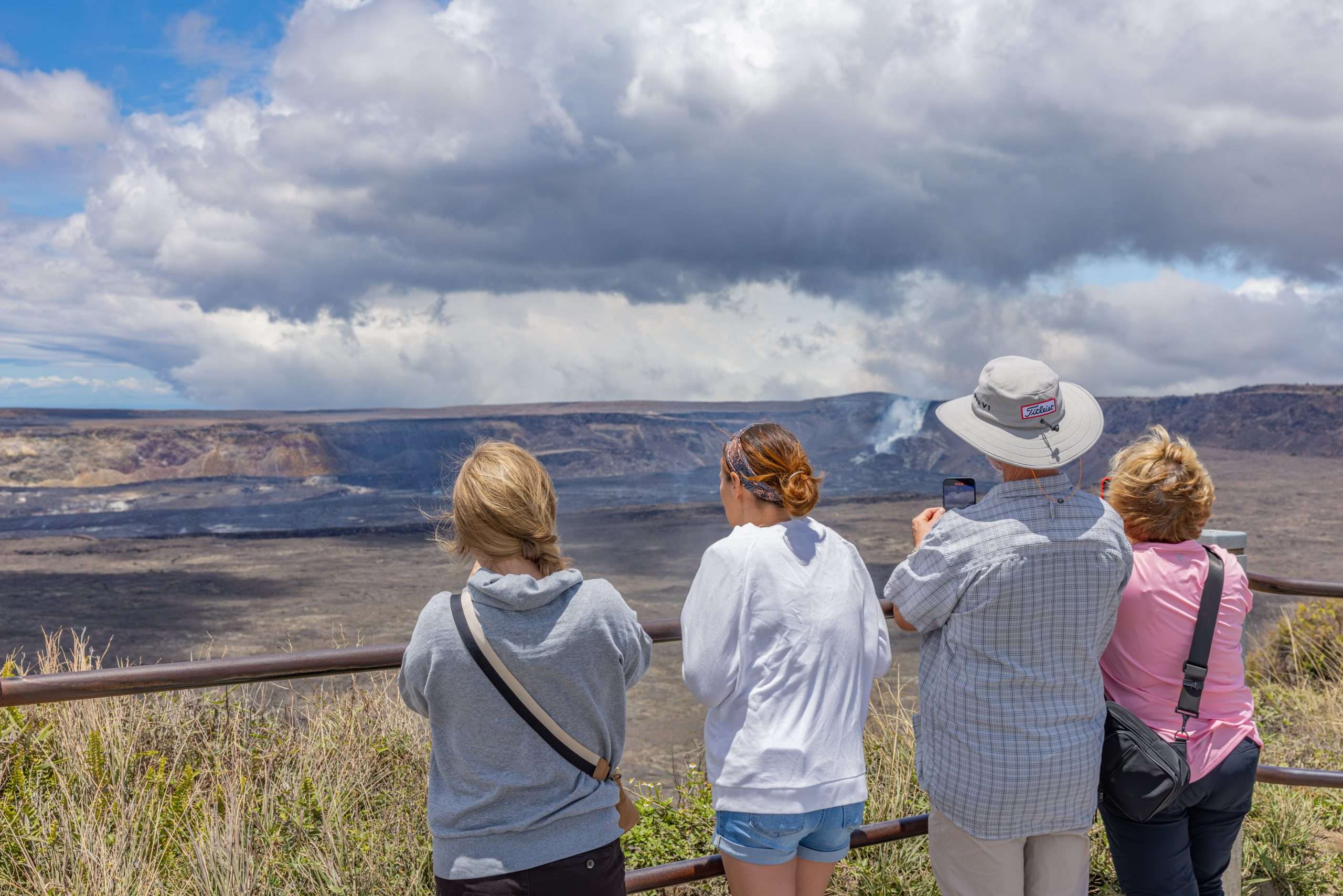
Many travelers assume that volcanic activity makes Hawaii unsafe. This is largely a misconception. With proper precautions, visiting can be both safe and enriching. Hawaii Volcanoes National Park provides safe viewing areas. These designated spots allow safe witnessing of volcanic marvels. Guides ensure that travelers stay within secure zones. Volcanic activity adds a layer of excitement to your visit, not danger. Understanding rules and guidelines enhances your experience.
Myth 4: Lava Flows Are the Only Danger
While lava flows are captivating, they are not the only hazard. Hawaiian volcanoes can emit gases and create ground instability. Volcanic gases like sulfur dioxide can pose a health risk. Ground becomes unstable, presenting potential accidents for uninformed visitors. However, these dangers are manageable with adequate precautions. Visitors should follow advice from officials and use designated paths. Being aware of different hazards ensures a safe exploration.
Myth 5: All Volcanoes in Hawaii Are Active
A common misunderstanding is that all Hawaiian volcanoes remain active. In truth, not all are currently erupting. Kohala, for example, is a dormant giant. While some, like Kilauea, are frequently active, many aren’t. Understanding the status of each volcano is crucial for planning visits. This knowledge helps debunk fears tied to constant activity. With awareness, you can better appreciate Hawaii’s volcanic grandeur.
Volcano Tourism Facts: What Every Visitor Should Know
Volcano tourism in Hawaii attracts adventure seekers worldwide. Travelers are drawn to the stunning landscapes and geological wonders. However, understanding key facts can enhance your visit significantly. Firstly, Hawaii’s volcanoes are exceptionally well-monitored. This means that alerts and updates are reliable and timely. Visitors can feel assured of their safety while exploring these incredible areas. Additionally, most Hawaiian eruptions are not explosive. Instead, they produce slow-moving lava flows that are generally predictable. Visitors can safely observe from designated spots, making for an unforgettable experience.
Hawaii Volcanoes National Park offers an excellent site for exploration. Guided tours provide insight and ensure adherence to safety protocols. This enriches your visit with knowledge and security. Volcano tourism greatly supports Hawaii’s economy. It provides jobs and sustains local businesses, making your visit mutually beneficial. This economic boost enhances both the island’s community and tourism infrastructure.
Essential facts for travelers include:
- Eruptions tend toward effusive flows.
- Guided tours offer safety and insight.
- Park guidelines are vital for safety.
- Volcano tourism benefits the economy.
- Monitoring ensures visitor safety.
These facts help set expectations for your adventure. Being informed encourages respect for the environment and local customs. It also makes your journey to Hawaii’s volcanic landscapes both educational and exhilarating.
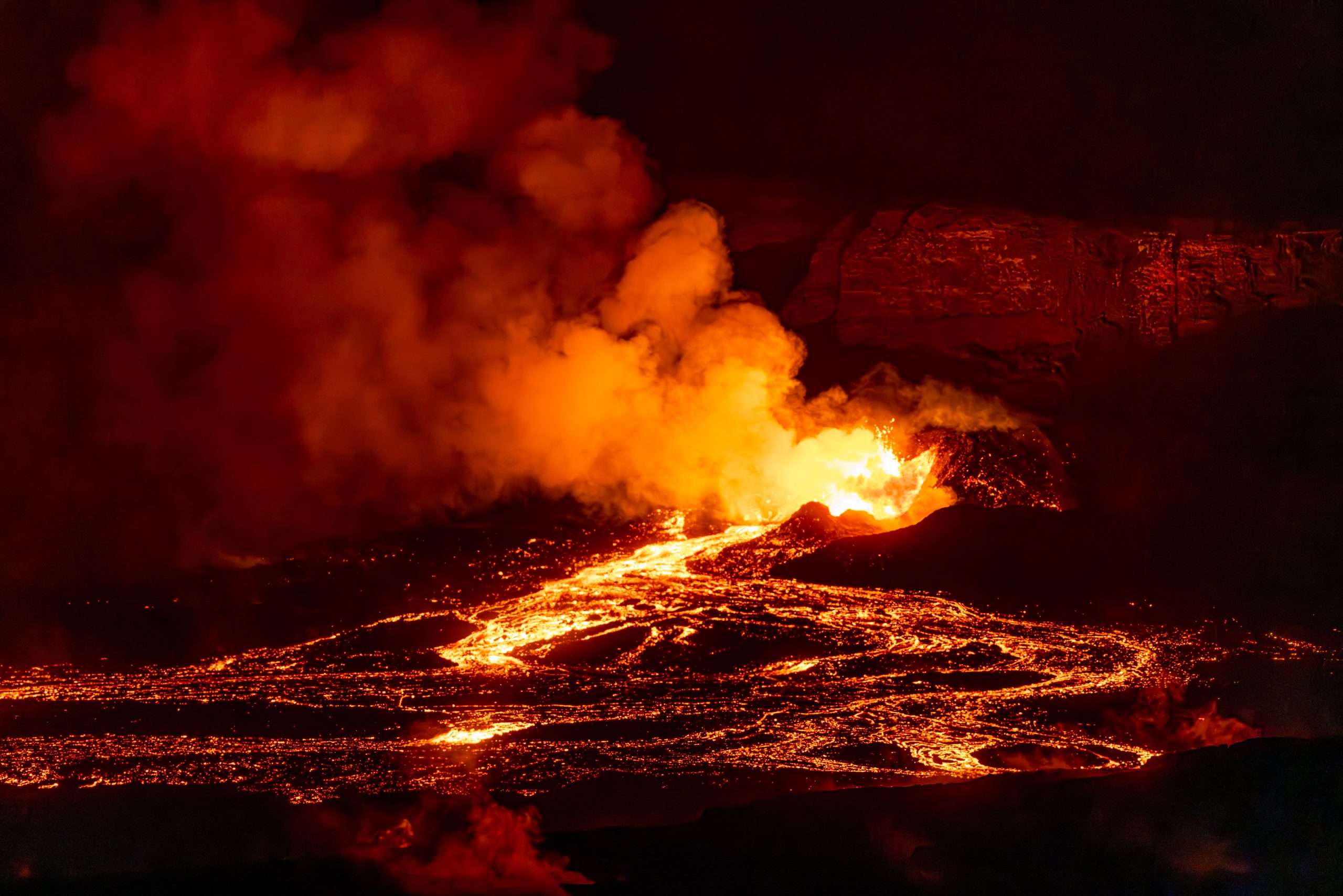
Volcano Safety Tips for Travelers
Exploring Hawaii’s volcanoes is thrilling, but safety should always come first. Being prepared enhances both enjoyment and security. Following safety tips will ensure a memorable experience.
First, always adhere to park guidelines. These are designed to protect you and the environment. Staying on marked trails helps preserve the landscape and keeps you safe.
It’s crucial to check for air quality alerts before visiting. Volcanic gases can sometimes affect air quality, impacting health. Planning with updated air conditions in mind is wise.
Appropriate attire is essential for comfort and safety. Wear sturdy shoes to navigate uneven terrain. A hat and sunscreen protect against the sun’s intense rays.
Staying hydrated is critical in volcanic areas. Carry enough water and some snacks for energy. These precautions help prevent dehydration during your adventures.
Always inform someone of your plans. Tell a friend or family member where you’re going and your expected return time. This adds an extra layer of safety should anything unexpected occur.
Safety tips include:
- Follow park guidelines.
- Check air quality alerts.
- Wear protective clothing and shoes.
- Stay hydrated and fueled.
- Inform someone of your plans.
Being prepared allows you to experience Hawaii’s volcanoes safely. With these tips, your adventure will be both exciting and worry-free. Enjoy the magnificence of these natural wonders with confidence.
The Cultural and Ecological Significance of Hawaii’s Volcanoes
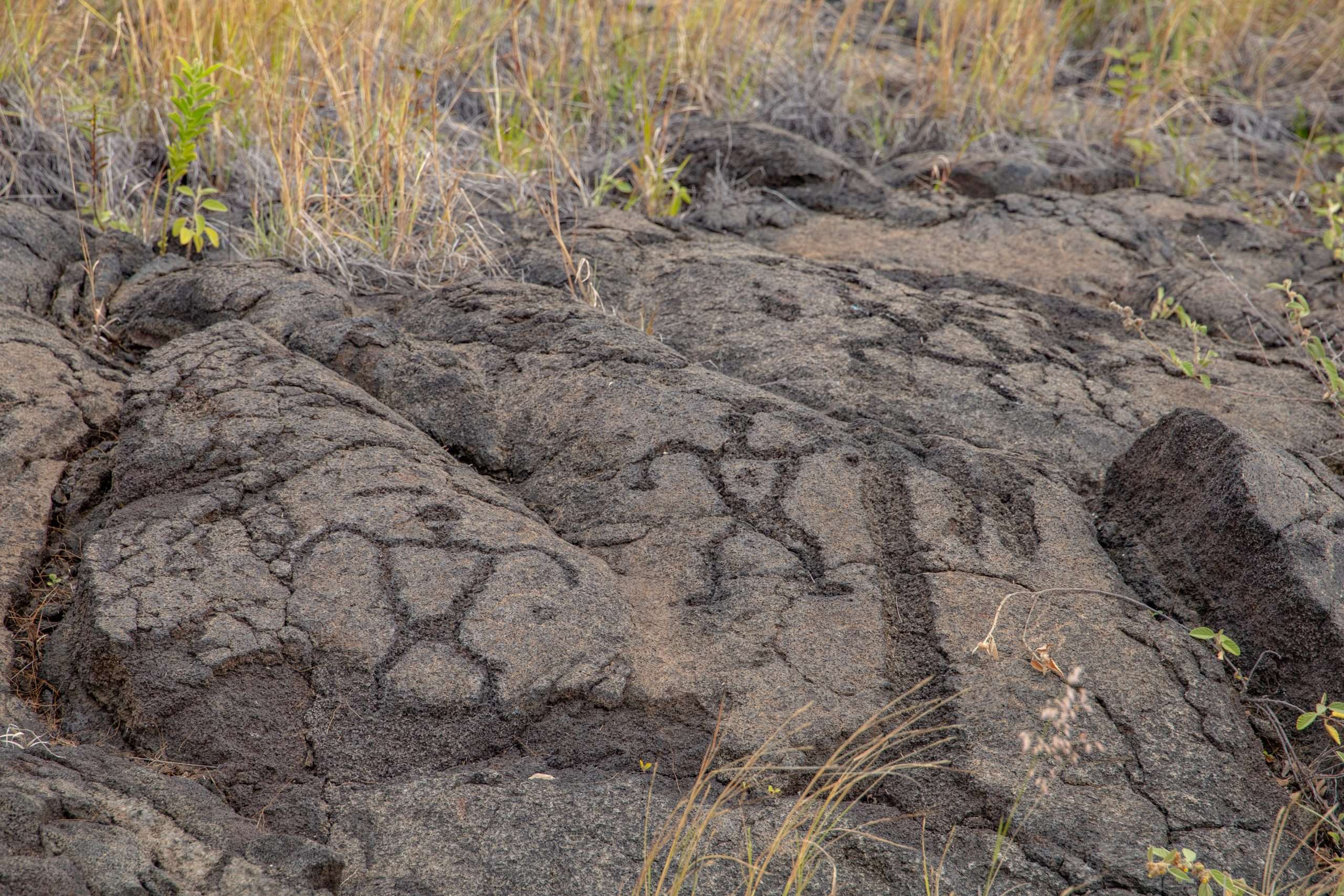
Hawaii’s volcanoes hold deep cultural meaning for Native Hawaiians. They are considered sacred, playing a vital role in ancient Hawaiian traditions. These majestic formations are central to many legends and stories passed down through generations.
Volcanoes also shape Hawaii’s diverse ecosystems, offering unique habitats. The volcanic soil is rich in nutrients, fostering a wide range of plant life. This biodiversity supports various species, some of which exist only in these environments. The interplay between volcanic activity and ecosystems is fascinating. Volcanic eruptions create new landscapes, which gradually transform into lush environments over time. These dynamic changes exemplify Earth’s ability to renew and adapt.
Importantly, Hawaii’s volcanoes also symbolize resilience and renewal. They remind us of the delicate balance between destruction and creation. The islands themselves are born from the fiery eruptions beneath the ocean.
Key aspects of their significance include:
- Cultural heritage and spirituality
- Rich ecosystems and biodiversity
- Symbolism of resilience and renewal
Understanding the cultural and ecological importance of Hawaii’s volcanoes enhances our appreciation for these natural wonders. They are not just geological features but living symbols of the Hawaiian spirit and Earth’s power of transformation.
How to Experience Hawaii’s Volcanoes Responsibly
Experiencing Hawaii’s volcanoes can be awe-inspiring and memorable. However, it’s essential to approach this adventure with a sense of responsibility. Understanding and following local guidelines is crucial for a safe and enriching experience.
Respect for the land and its cultural significance should always be a priority. Native Hawaiian traditions emphasize the sacred nature of these sites. Visitors should honor these beliefs by staying on marked paths and areas.
To minimize your impact on these delicate ecosystems, consider adopting eco-friendly practices. Small actions, such as avoiding littering and minimizing noise, contribute to preservation efforts. Local conservation initiatives often rely on visitor cooperation to succeed.
Key tips for responsible exploration include:
- Staying on designated trails
- Respecting cultural sites and customs
- Using binoculars or cameras for distant views
- Supporting local conservation projects
These practices not only protect the environment but also enhance your connection to the islands’ unique volcanic landscapes. By experiencing Hawaii’s volcanoes responsibly, you contribute to safeguarding their beauty for future generations.
Conclusion: Embracing the Wonder of Hawaii’s Volcanoes
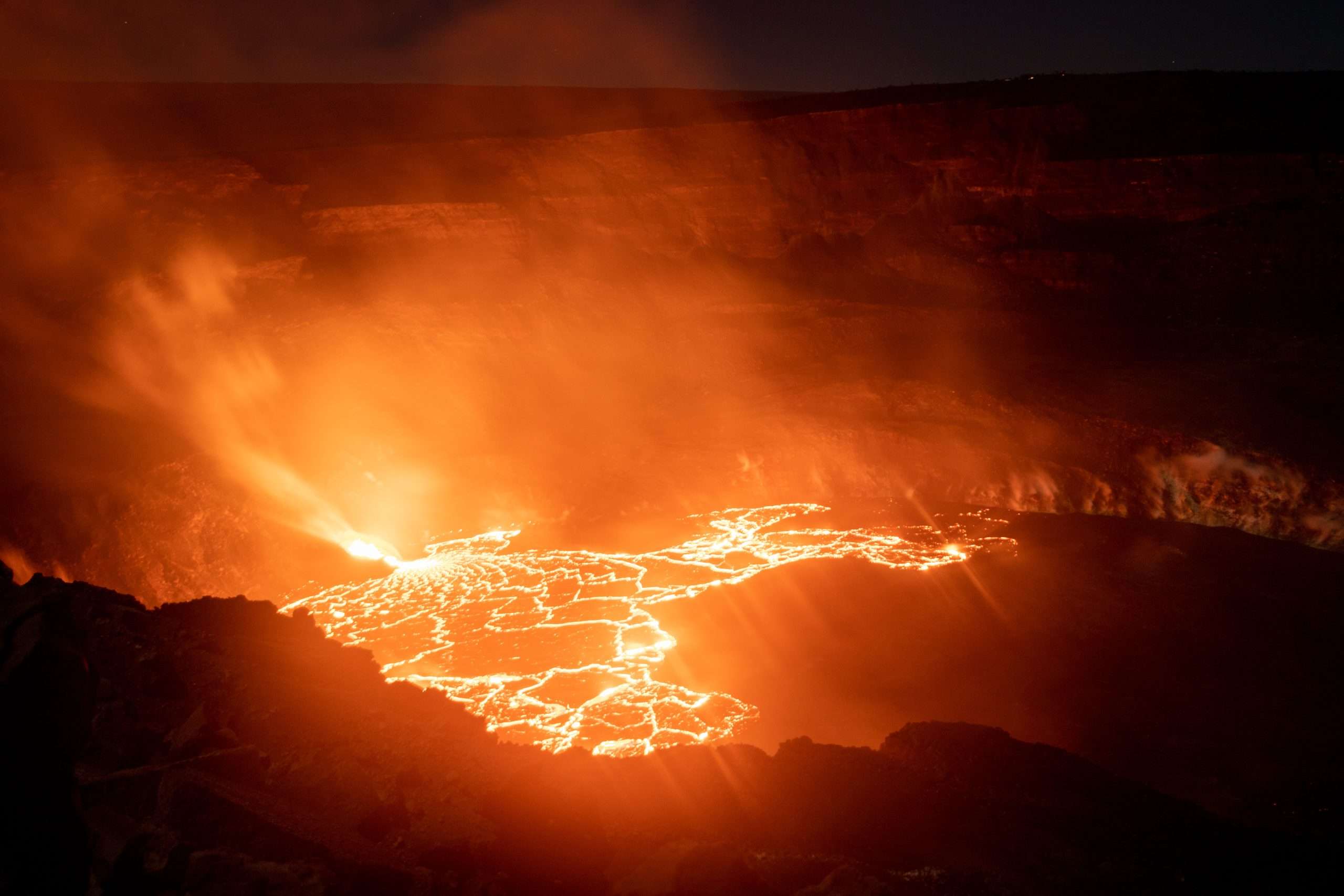
Hawaii’s volcanoes are more than geological marvels; they are powerful forces of nature that shape the land and culture. These extraordinary formations offer insights into Earth’s dynamic processes. By understanding the facts behind the myths, visitors can appreciate their true beauty and complexity.
Being informed allows for a safer and more meaningful interaction with these natural wonders. Respectful and responsible engagement ensures the preservation of their splendor for years to come. Embracing the thrill of volcano tourism responsibly enhances the experience immensely.
As you plan your visit, remember to respect local customs and prioritize safety. Doing so allows travelers to fully enjoy Hawaii’s breathtaking volcanic landscapes, leaving with lasting memories and deeper understanding.


