Hawaii is for the birds! No, it’s still a gorgeous and lovely tropical paradise, but it’s also one of the more impressive places to visit to view beautiful birds you won’t see elsewhere. Hawaiʻi Volcanoes National Park is especially rife with exotic feathered fowl of all varieties. To help you get started, here’s a quick guide to the birds of Hawaiʻi Volcanoes National Park.
Keep in mind that it’s not always easy to see all the birds in one go. Navigating this birdwatching haven requires a bit of expertise as well. Keep reading for some suggestions on how to improve your chances and enjoy your outing.
Hawaiian Honeycreepers
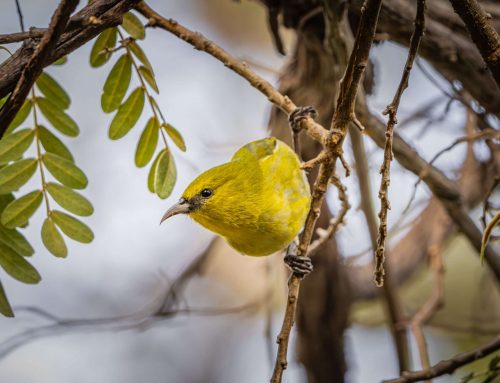
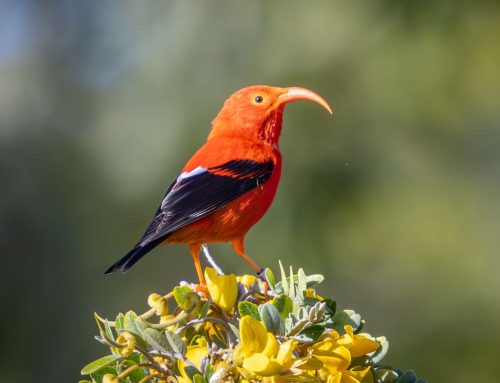
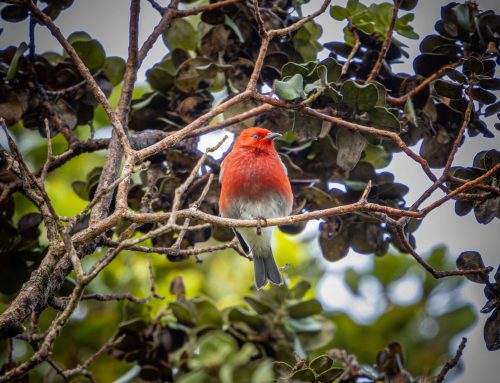
Hawaiian honeycreepers are a big highlight for bird enthusiasts visiting the park. They’re beautiful yet slightly comical, boasting vibrant plumage and long curved beaks used to feed on nectar. The park is home to several species of honeycreepers, with the ‘Apapane and ‘Amakihi being the most common.
Where To Look
The ‘Apapane is often seen flitting through the native ʻōhiʻa lehua trees, feeding on the brilliant red flowers. Follow trails like Kīpukapuaulu (Bird Park Trail) for your best chance to observe these vivid creatures.
Fun Fact
The honeycreepers are a textbook example of adaptive radiation, having evolved into dozens of species to fill different ecological niches in Hawaii.
Pro Tip
Bring a pair of binoculars for a closer look at their intricate coloring and behavior. These birds are distinctive and a delight to watch as they dart through the treetops.
The Nēnē (Hawaiian Goose)
Try to see the Nēnē, Hawaii’s state bird, on your visit. Sadly, this species is an endangered relative of the Canadian Goose which has nicely adapted to Hawaii’s volcanic landscape. Simple yet beautiful with its soft gray feathers, black head, and distinct honking sound, the Nēnē makes for a memorable sight.
Where To Look
Nēnē are often found near the open grassy areas and roadsides within Hawaiʻi Volcanoes National Park. Look for them around Crater Rim Drive or the several pullouts along Chain of Craters Road. Mind your driving and remain alert—Nēnē often try to cross the roads.
(Not So) Fun Fact
Nene are the descendants of geese that made the islands home thousands of years ago. Two species are extinct—one of them, the nēnē nui, died out after colonization, when hunting and invasive predators damaged their population. The current nēnē came close to extinction themselves in the mid-20th century, and only 30 individual geese remained. Through conservation efforts, their population has steadily grown to 25,000 individuals, though they remain endangered. They may be cute, but keep your distance. Feeding is prohibited since human interactions interfere with their survival instincts.
White-Tailed Tropicbird
Lingering near the cliffs and coastal areas? Look for the White-Tailed Tropicbird, also known as kōlea. This elegant, white seabird with long streaming tail feathers may be seen gracefully gliding over coastal bluffs.
Where To Look
The Holei Sea Arch at the end of Chain of Craters Road is a prime location for spotting white-tailed tropicbirds. Watch them perform sweeping dives and loops over the active waters!
Fun Fact
Tropicbirds are pelagic, which means they spend most of their lives at sea. Nesting season is the rare time they return to land, making sightings more special. You can’t miss white-tailed tropicbirds—they stand out perfectly against the rugged, black lava fields and ocean backdrop.

The ʻIo (Hawaiian Hawk)
Do you know the ‘Io is Hawaii’s only native hawk? Be prepared to admire this regal bird’s piercing gaze and broad wings—but only through binoculars and cameras, please! The ‘Io is highly revered in Hawaiian culture. It is a symbol of royalty and considered an ‘aumakua (family guardian spirit).
Where To Look
The ‘Io soars above the park at higher altitudes in search of prey. The edge of Halema‘uma‘u is a prime spot to watch these majestic hunters circling above.
Fun Fact
The ‘Io communicates through sharp cries, which you’ll hear well before you see them. Thrill to the sight of their aerial acrobatics. Furthermore, consider a ‘Io sighting a culturally enriching experience. There’s a lot of history and storytelling connected with these birds. Ask about it at the park!
Migratory Birds
Just like you, many birds are only visiting the islands for a brief “vacation.” Hawaiʻi Volcanoes National Park is a seasonal home to several migratory species that travel vast distances to escape cold winters or find breeding grounds. Among these are the Pacific Golden-Plover (Kōlea) and various sandpipers.
When To Look
Fall to winter (October to March) is the best period to see Hawaii’s many “short-term” birds. Thousands arrive during this time to escape colder climes.
Where To Look
It all depends on what you’re looking for. Search for golden plovers in open grassy areas near the Kīlauea Visitor Center. Sandpipers favor the coastal zones along the park’s lava shoreline. And there are so many more to see. These migratory visitors bring terrific diversity to the park’s ecosystem and add excitement for birdwatchers hoping to check a rare species off their list.

Tips for Birdwatching in the Park
Now that you have a better idea of the park’s various birds, here’s a list of best practices for seeing them.
Morning is best: Birds are more active in the early morning hours, so rise and shine before the sun. The soft morning light also assists with stunning photographs.
Bring binoculars and a field guide: Binoculars let you get up close without getting too personal. You’ll see the birds’ finer details—excellent for identifying species with a Hawaii-specific field guide.
Stay on the trails: Take only photos and memories and leave something behind for future generations. Staying on the designated trails protects you and the native habitats by keeping you from disturbing sensitive areas or getting hurt.
Pack snacks and water: Hiking and birdwatching is thirsty/hungry work! Enjoy long birdwatching sessions by staying hydrated and energized. Food and water may be harder to come by in some areas of the park.
Consider a guided tour: Sign up for Volcanoes National Park tours with a guide who knows the best habitats in the park and when and where to see Hawaii’s most glamorous residents.
That’s a quick guide to the birds of Hawaiʻi Volcanoes National Park. Contact us for more information about tours and other recreational activities during your visit to the Big Island!