

Steamings Bluffs at Hawaiʻi Volcanoes National Park: What to Know Before You Visit
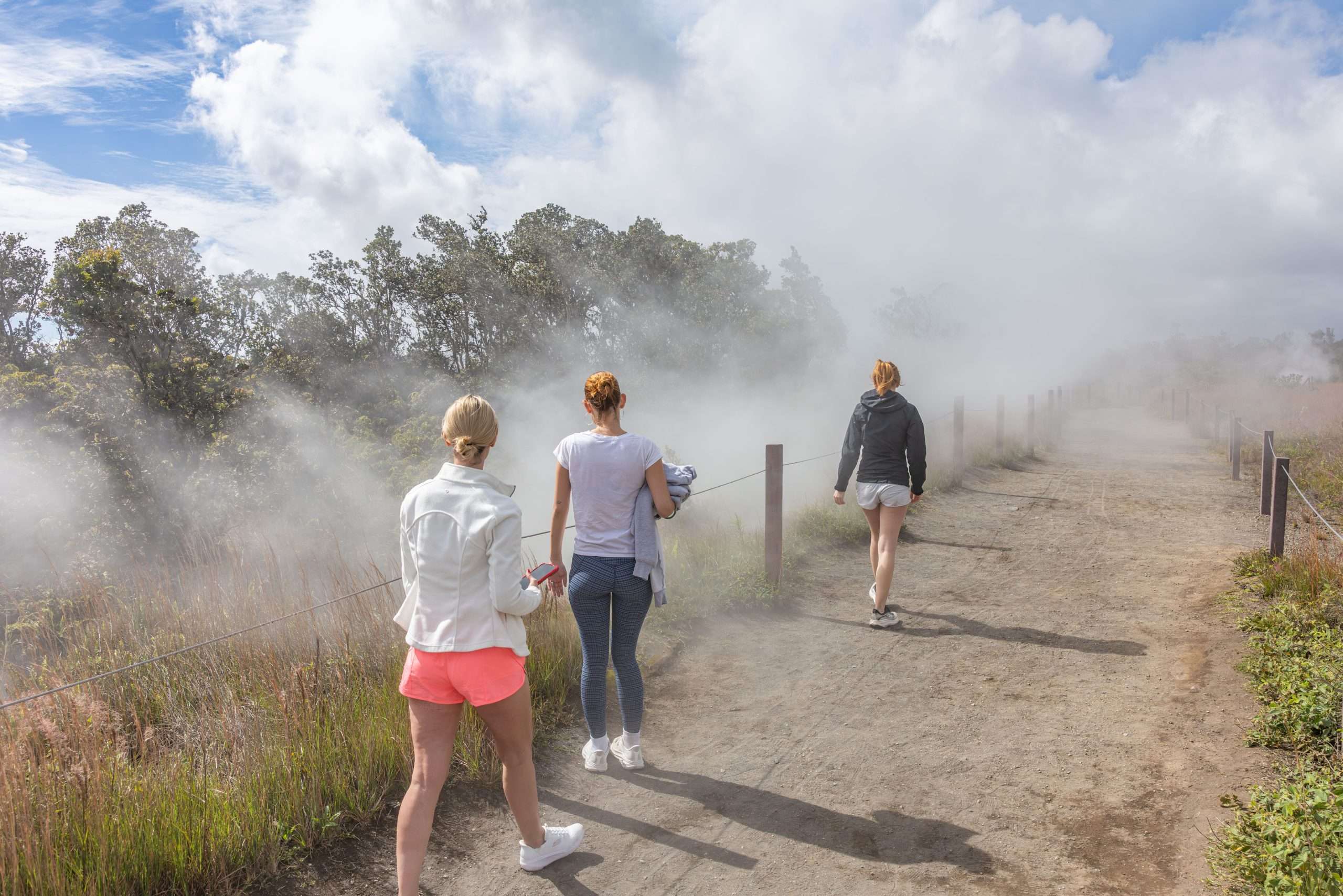
Nestled within the heart of Hawaiʻi Volcanoes National Park, the Steaming Bluffs offer a mesmerizing glimpse into the Earth’s geothermal wonders. This unique destination captivates visitors with its ethereal steam vents, a result of rainwater meeting volcanic heat.
The bluffs provide a surreal landscape, where steam rises from the ground, creating an otherworldly atmosphere. It’s a place where nature’s raw power is on full display, inviting exploration and awe.
Visitors are drawn to the panoramic views of the Kilauea Caldera, a testament to the park’s dynamic volcanic activity. The Steaming Bluffs are easily accessible, just a short walk from the Kilauea Visitor Center.
Early morning or late afternoon visits are ideal, offering cooler temperatures and fewer crowds. The trail is well-marked, accommodating most fitness levels, ensuring a safe and enjoyable experience.
Hawaiʻi Volcanoes National Park, a UNESCO World Heritage Site, encompasses two active volcanoes: Kilauea and Mauna Loa. This park is a haven for adventure travelers, nature enthusiasts, and eco-tourists alike.
The Steaming Bluffs are a must-see for anyone interested in geology and natural wonders. They offer a sensory experience, with the sight, sound, and smell of steam vents.
Prepare for changing weather conditions and bring appropriate gear to enhance your visit. The Steaming Bluffs promise a memorable encounter with the Earth’s dynamic processes.
Summary
Steaming Bluffs, a short walk from Kīlauea Visitor Center in Hawaiʻi Volcanoes National Park, showcase ethereal steam vents formed when rainwater is heated by underlying volcanic activity. Expect sweeping views of Kīlauea Caldera, sulfur-tinged steam, and rapidly changing weather; visiting early or late helps avoid heat and crowds. Stay on marked trails, be mindful of hot surfaces and volcanic gases, and respect the site’s deep cultural ties to Pele and Hawaiian heritage. Check park alerts, consider ranger-led programs, and explore nearby highlights like Thurston Lava Tube and Chain of Craters Road for a fuller experience.
Discovering Steaming Bluffs: An Overview
Steaming Bluffs, a geothermal marvel within Hawaiʻi Volcanoes National Park, fascinates visitors with its striking steam vents. These vents, heated by volcanic activity, release clouds of vapor that dance against the sky.
This area offers a unique vista, letting travelers witness Earth’s geological activity up close. The bluffs provide a front-row seat to the dramatic landscapes created by volcanic forces.
Visitors are drawn to the bluffs not just for their beauty, but for the tranquility they offer. The area is a serene and contemplative environment, perfect for those seeking a deep connection with nature.
Just a short stroll from the Kilauea Visitor Center, Steaming Bluffs is both accessible and captivating. The walk itself is part of the experience, immersing visitors in the park’s vivid landscapes.
Before setting off, check out a brief list of things to prepare:
- Wear sturdy footwear for easy trail navigation.
- Bring a camera for unforgettable photos.
- Carry water to stay hydrated.
Situated on the Big Island, Hawaiʻi Volcanoes National Park provides visitors the convenience of exploring other nearby island treasures. The park is a dynamic blend of history, culture, and natural wonders, offering countless exploration opportunities.
Whether you’re a casual wanderer or a dedicated adventurer, the Steaming Bluffs enrich any journey with their mysterious allure. These geothermal formations embody the compelling beauty of volcanic landscapes, making for an unforgettable visit.
The Geology and Science Behind the Steam
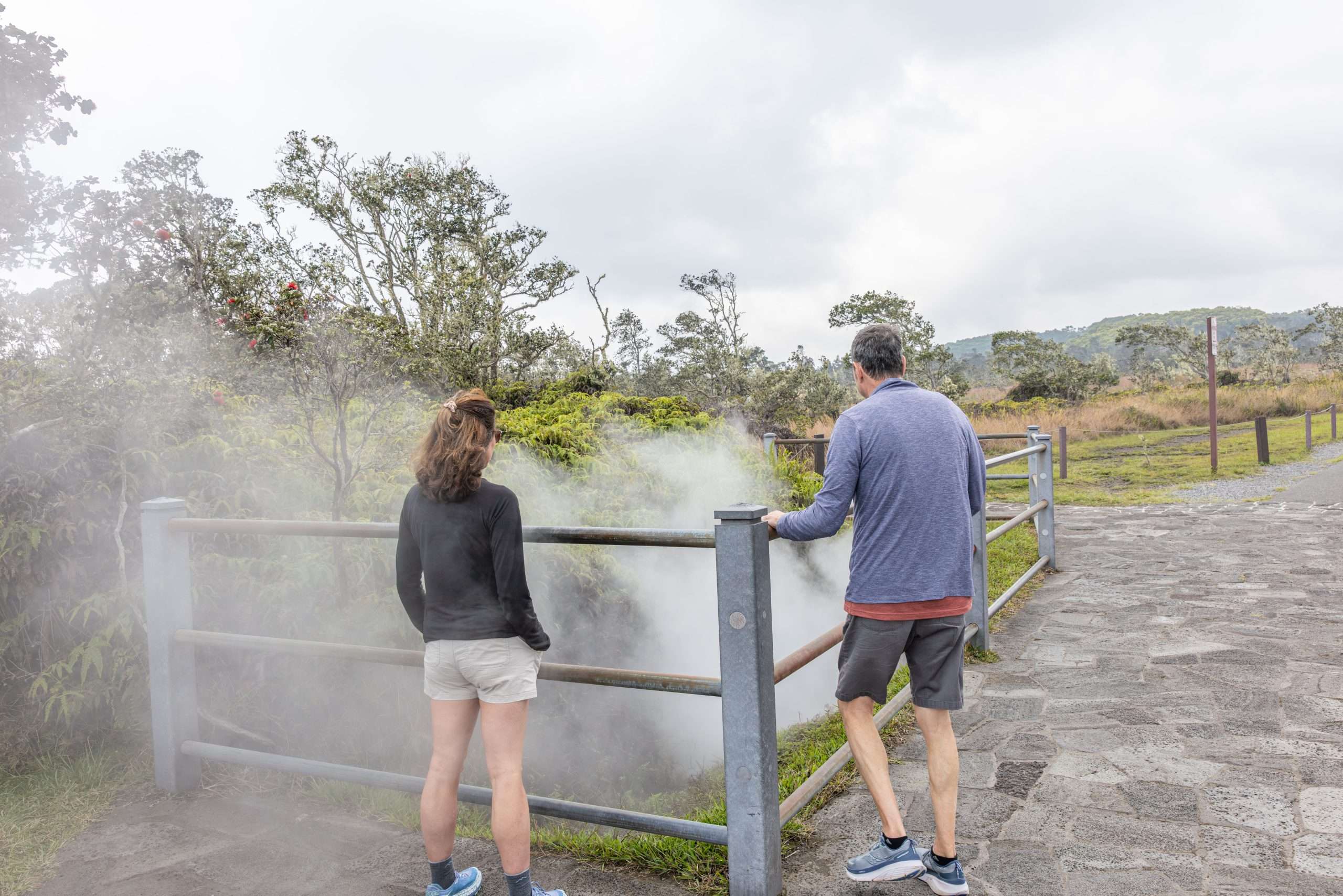
The formation of the Steaming Bluffs is a fascinating geological process. Rainwater penetrates the earth’s surface, where it’s heated by the underlying volcanic magma. This transformation turns it into steam.
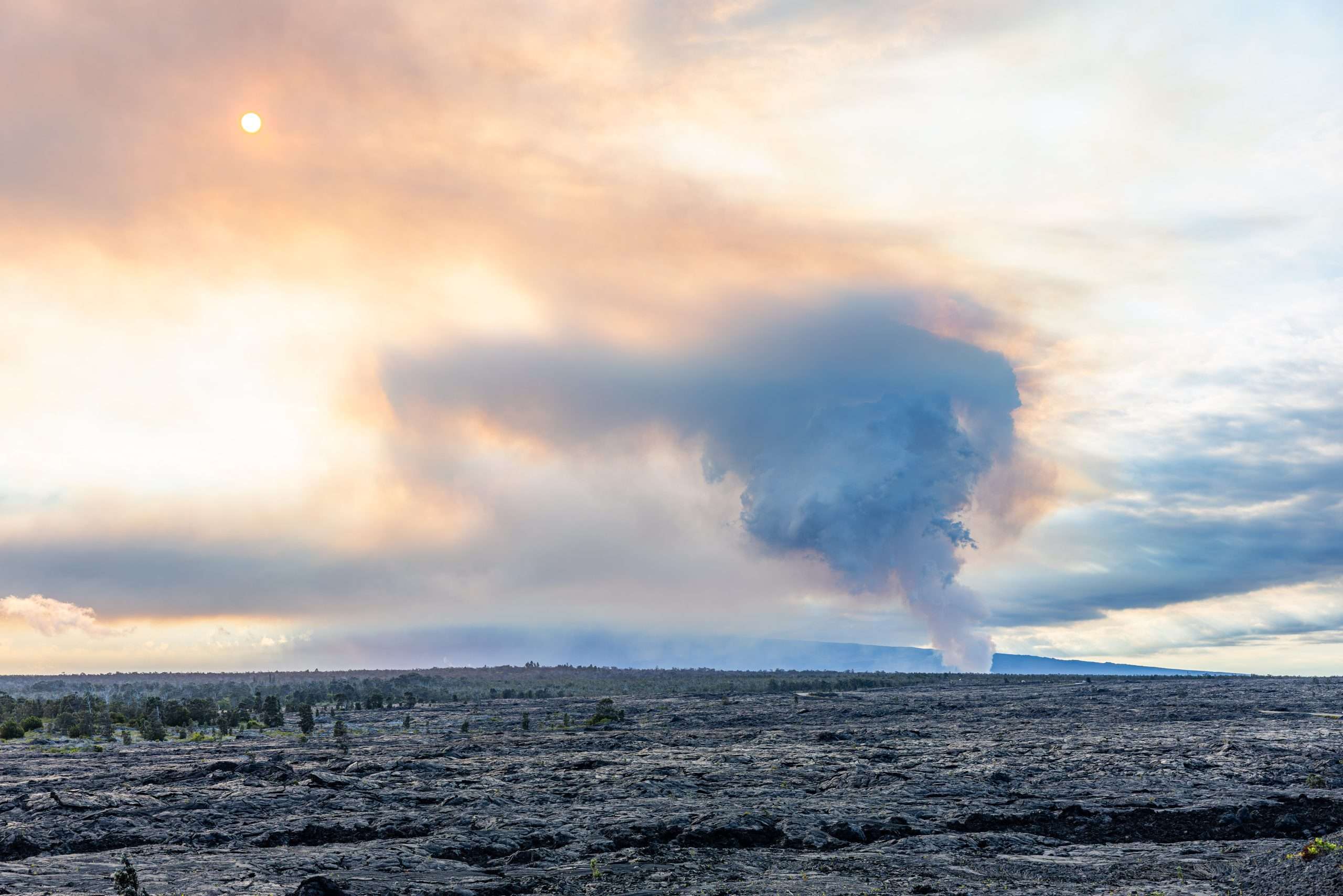
Kilauea, an active volcano within the park, plays a pivotal role in this process. The heat from its magma chamber permeates the ground, sparking the geothermal activity seen at the bluffs.
Geologists and visitors alike are intrigued by these natural phenomena. The park acts as an open classroom, providing real-world examples of Earth’s dynamic crust.
The steam emanating from the ground is more than just a visual marvel. It is a physical reminder of the intense geothermal activity happening beneath our feet.
Though visually stunning, the steam presents risks. Visitors should be wary of hot surfaces and stay on marked trails for safety.
Key geological insights include:
- Subsurface heat from volcanic activity powers the steam vents.
- Kilauea’s magma influences the park’s geothermal characteristics.
- Steam vents are crucial indicators of volcanic and atmospheric interactions.
Safety is paramount. The raw force of geothermal activity can be both compelling and dangerous, necessitating caution. Park guidelines emphasize mindfulness while exploring these features.
For the curious mind, visiting the Steaming Bluffs is an opportunity to learn how Earth’s surface changes. Observing these processes firsthand deepens our appreciation for natural beauty.
The Steaming Bluffs exemplify volcanic-driven landscapes, showcasing powerful natural forces at work. These forces have dramatically shaped the Hawaiian Islands over millennia, creating its diverse ecosystems.
Cultural and Historical Significance
The Steaming Bluffs are more than geological marvels. They hold profound cultural significance for Native Hawaiians. These natural features are intertwined with the traditions and myths of the Hawaiian people.
The area surrounding the Steaming Bluffs is believed to be sacred. Ancient stories describe it as a domain of the volcano goddess Pele. Pele’s presence in these lands underscores the spiritual connection between the landscape and Hawaiian culture.
Hawaiʻi Volcanoes National Park serves as a cultural repository, preserving these traditions. The park facilitates programs that educate visitors about the cultural history and importance of this land.
Key cultural highlights include:
- The role of Pele in local mythology
- The historical importance of volcanic sites to indigenous communities
- The preservation of Hawaiian cultural heritage
Beyond spiritual relevance, these lands were pivotal for sustenance. The native people relied on the geothermal features for warmth and cooking. The landscape provided resources crucial to their daily lives.
Today, these traditions are celebrated and preserved. Visitors are encouraged to respect the land and appreciate its cultural narrative. Engaging with these stories enriches the travel experience.
Understanding the cultural dimensions of the Steaming Bluffs adds depth to any visit. This is not just a place of natural wonder but a hub of Hawaiian heritage and living history.
Planning Your Visit: When and How to Go
A well-planned visit to the Steaming Bluffs can enrich your experience. Timing is key to avoiding crowds and capturing the beauty of this unique location.
Early mornings offer cooler temperatures and fewer visitors. This time is ideal for those seeking tranquility. Alternatively, late afternoons provide softer light, perfect for capturing dramatic photographs.
The park remains open year-round, but each season offers a different experience. Winter can bring rain, making trails a bit slippery. Summer is warm and dry, optimal for extended hikes.
Being flexible in your plans helps deal with unpredictable weather. Always check the park’s official website for updates before departure. Changes in volcanic activity can lead to trail closures without notice.
A successful trip to the Steaming Bluffs might include:
- Planning your visit during off-peak hours.
- Checking weather and park conditions beforehand.
- Preparing for both rain and shine.
Having a checklist makes packing simpler. Bring a water bottle, sunscreen, and light rain gear to stay comfortable. Sturdy shoes are essential for navigating uneven terrain.
Consider joining a guided tour for an informative experience. Hawaiʻi Volcanoes National Park tours often include expert-led hikes and ranger talks. These tours reveal hidden details you might otherwise overlook.
Staying overnight on the Big Island enhances the adventure. Nearby towns offer lodging options ranging from luxury resorts to quaint bed-and-breakfasts. Booking in advance is a smart move, especially during peak seasons.
A well-prepared visit guarantees memorable encounters with the Steaming Bluffs’ steam vents and panoramic views. With a little planning, you can fully savor the natural spectacle and cultural richness of this remarkable locale.
Getting There: Directions and Accessibility
Reaching the Steaming Bluffs is part of the adventure. They are located within Hawaiʻi Volcanoes National Park on the Big Island. This park is easily accessible from various points on the island.
Hilo, the nearest city, is about a 30-mile drive from the park. This drive takes approximately 45 minutes. For those coming from Kona, the journey is longer, around 2-3 hours by car.
Clear signage within the park directs you to the Kilauea Visitor Center. From there, a short walk will lead you to the Steaming Bluffs. The path is suitable for most fitness levels.
Public transportation options to the park are limited, so a rental car is recommended. Consider carpooling to reduce your carbon footprint. Alternatively, guided tours often include transportation as part of their packages.
When planning your trip, remember these key points for smooth travel:
- Rent a car for flexibility.
- Plan extra time for scenic stops.
- Use GPS for accurate navigation.
Accessible facilities are available at the park, ensuring everyone can enjoy this natural wonder. Pathways are well-maintained, though some areas are more rugged. Always check accessibility options in advance to ensure a smooth visit.
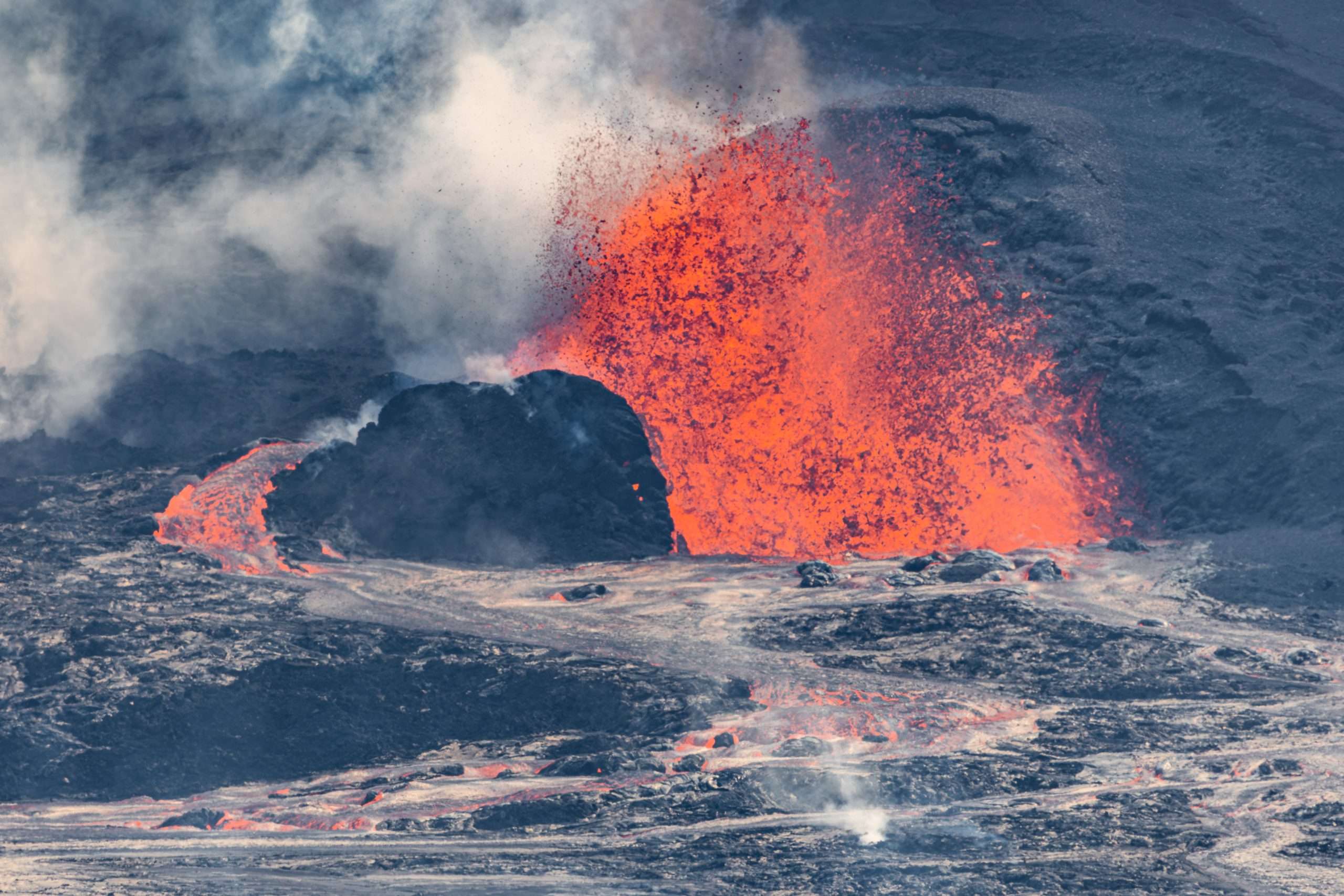
What to Expect at Steamings Bluffs
Upon arrival, the ethereal steam rising from the earth captivates every visitor. The Steaming Bluffs deliver a fascinating spectacle of geothermal activity.
The steam is the result of rainwater seeping into volcanic rock. It heats up and emerges as clouds. This creates an almost mystical aura around the bluffs.
Walking around, you’ll notice the path leading to panoramic views of the Kilauea Caldera. The vistas are stunning, with the caldera in one direction and lush forests in another.
Sound plays a key role here. You can hear the hiss of steam vents. This adds a unique auditory element to your visit.
Each step through Steaming Bluffs is an encounter with nature’s power. Stay on the marked path to preserve this fragile ecosystem.
The area hosts diverse plant species adapted to the volcanic environment. While exploring, marvel at these plants thriving against volcanic rock and steam.
Here’s what you can expect on your visit:
- Continuous steam clouds
- Distinct sulfur smell in the air
- Frequent bursts of warm air
- Sweeping views of Kilauea Caldera
Prepare for changes in weather conditions. Bring layers, as temperatures can vary. Rain or shine, each condition adds a different dimension to your experience.
In every direction lies another remarkable sight waiting to be discovered. Steaming Bluffs is a testament to the diversity and beauty of Hawaiʻi Volcanoes National Park.
Safety Tips and Park Guidelines
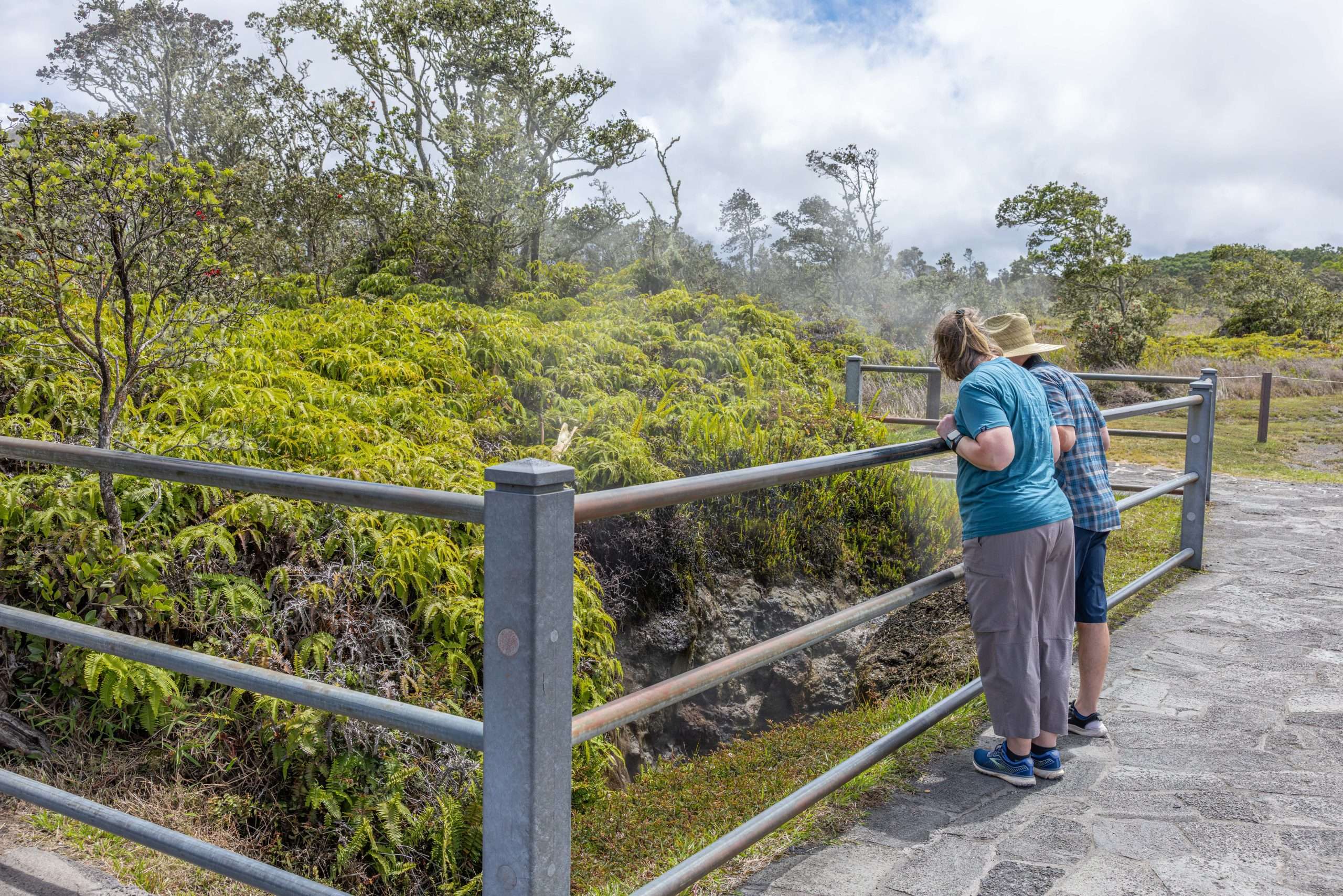
Safety is paramount at Steaming Bluffs due to its geothermal nature. Visitors should follow park guidelines to ensure a safe experience.
Adhering to marked paths is crucial. Straying from paths can expose visitors to unstable ground, risking injury.
Geothermal areas can emit volcanic gases such as sulfur dioxide. Those with respiratory issues should take extra caution.
Sturdy footwear is a must. The terrain can be uneven, especially near steam vents, which can be slippery.
Additionally, it’s essential to stay hydrated and use sun protection. The sun can be intense, even with the cooling mist from the steam.
Here are some key safety guidelines:
- Stay on designated trails
- Keep a safe distance from steam vents
- Monitor weather conditions
- Carry enough water and sunblock
- Heed all park warnings and advisories
Taking these precautions ensures your visit to the Steaming Bluffs is both safe and enjoyable. The park’s staff is always ready to assist and provide information as needed.
Be mindful of the natural environment. Every step you take should honor the fragile ecosystem that makes Hawaiʻi Volcanoes National Park unique.
Exploring Beyond the Bluffs: Other Park Highlights
Hawaiʻi Volcanoes National Park offers a diverse range of attractions beyond the Steaming Bluffs. Each feature showcases the park’s dynamic volcanic landscapes.
The Kilauea Visitor Center is a great starting point. It provides insightful exhibits on geology, ecology, and Hawaiian culture. This orientation enhances any visitor’s experience of the park’s wonders.
A must-see is the Thurston Lava Tube. A walk through this ancient formation offers a surreal journey into the past flows of lava. The lush rainforest around it is a stark contrast to the bare lava rocks.
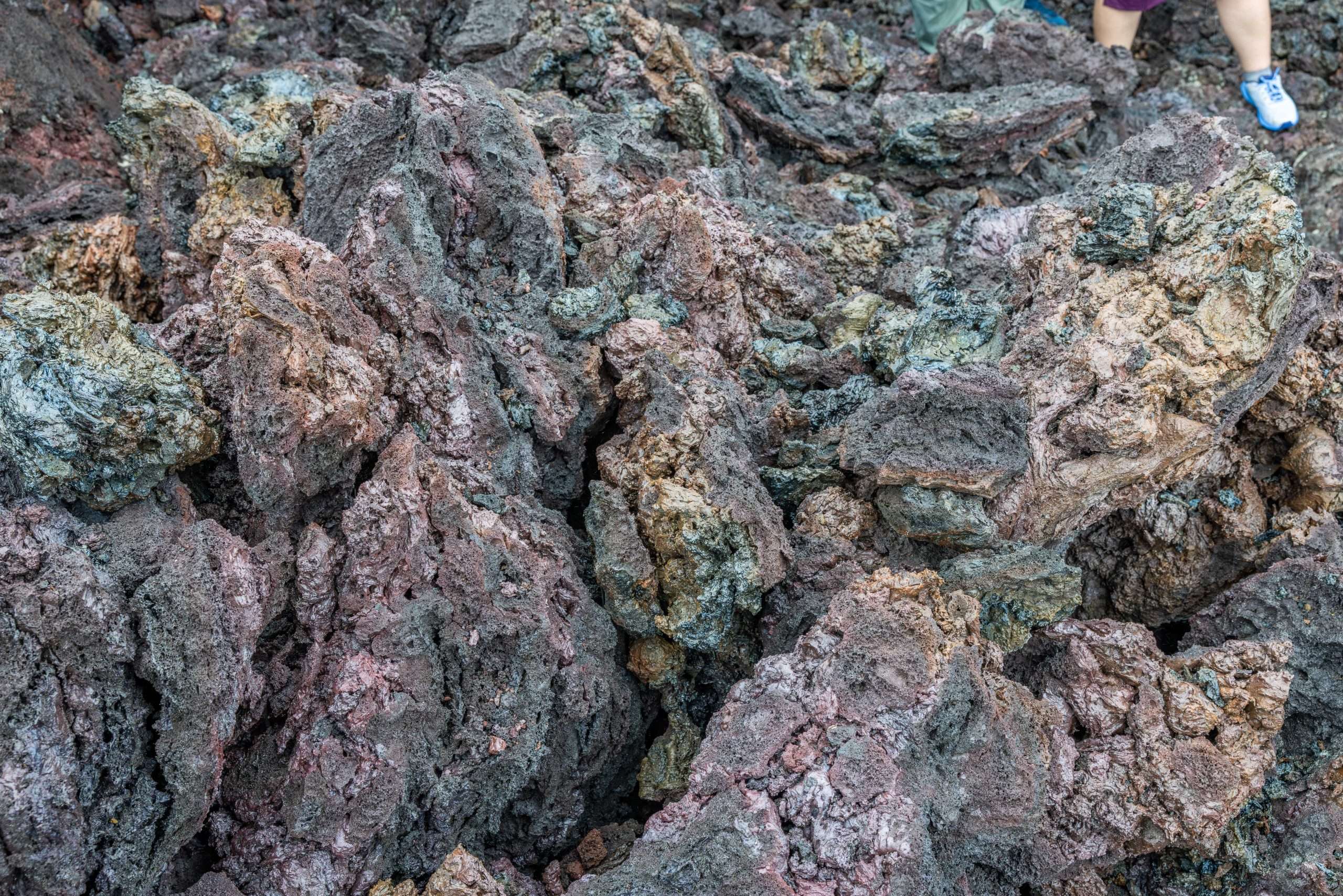
For an unforgettable drive, explore the Chain of Craters Road. The route descends over 3,700 feet, offering breathtaking views of old and new lava flows. Along the way, you might see ocean steam plumes where lava meets the sea.
The iconic Mauna Loa, another active giant in the park, is accessible to adventurous hikers. Scaling its trails rewards trekkers with panoramic views of the Big Island.
Several well-marked trails offer varied experiences. You can enjoy short hikes or more challenging treks through diverse terrains, from rainforests to volcanic deserts.
Consider joining a guided tour to enhance your visit. Rangers provide educational programs, offering in-depth knowledge about the park’s unique environment and history.
Key attractions to explore include:
- Kilauea Visitor Center
- Thurston Lava Tube
- Chain of Craters Road
- Mauna Loa Summit Trail
- Various ranger-led programs
Embrace the opportunity to explore these highlights. The wide array of natural wonders ensures each visit is unique and awe-inspiring.
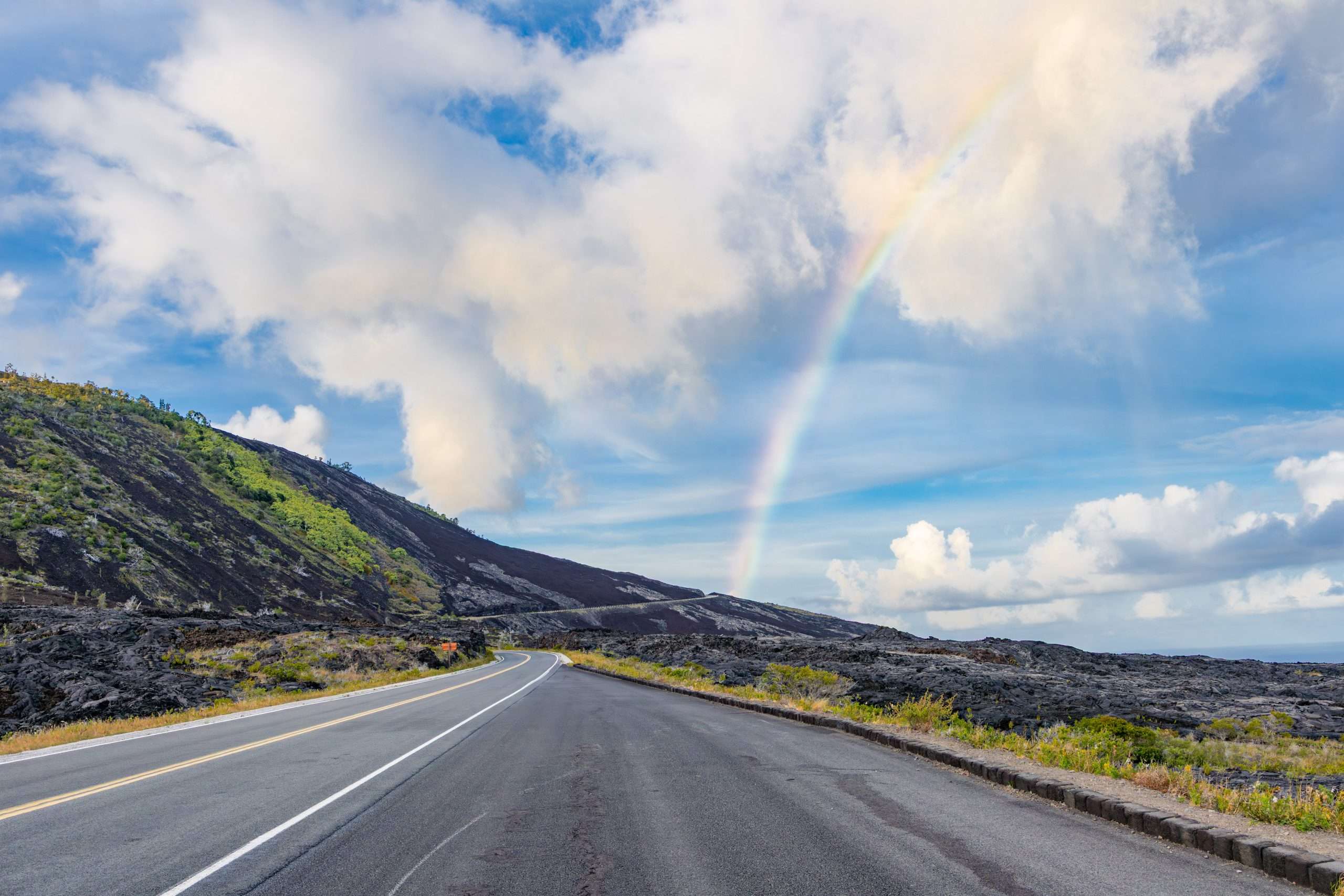
Photography and Wildlife: Capturing the Experience
Hawaiʻi Volcanoes National Park is a paradise for photographers and wildlife enthusiasts. The dramatic landscapes and unique fauna provide endless opportunities for striking images.
Capturing the mystical steam vents at the Steaming Bluffs is a must. The rising steam contrasts beautifully with the rugged terrain, creating an ethereal scene that photographers will cherish.
Wildlife adds another layer to your park visit. Rare native birds like the nēnē, or Hawaiian goose, are iconic to the area. Keep your camera ready for these fascinating creatures.
To improve your nature photography, consider visiting at different times of the day. Early mornings and late afternoons offer softer lighting, highlighting the textures and colors of the volcanic landscape.
Use these photography tips for the best results:
- Visit during golden hours for optimal lighting
- Use a tripod for stable shots in low light
- Include scale in your photos to capture vast landscapes
Whether you’re photographing the tiniest flower or vast lava flows, the park offers endless inspiration. Every shot you take helps tell the park’s unique story.
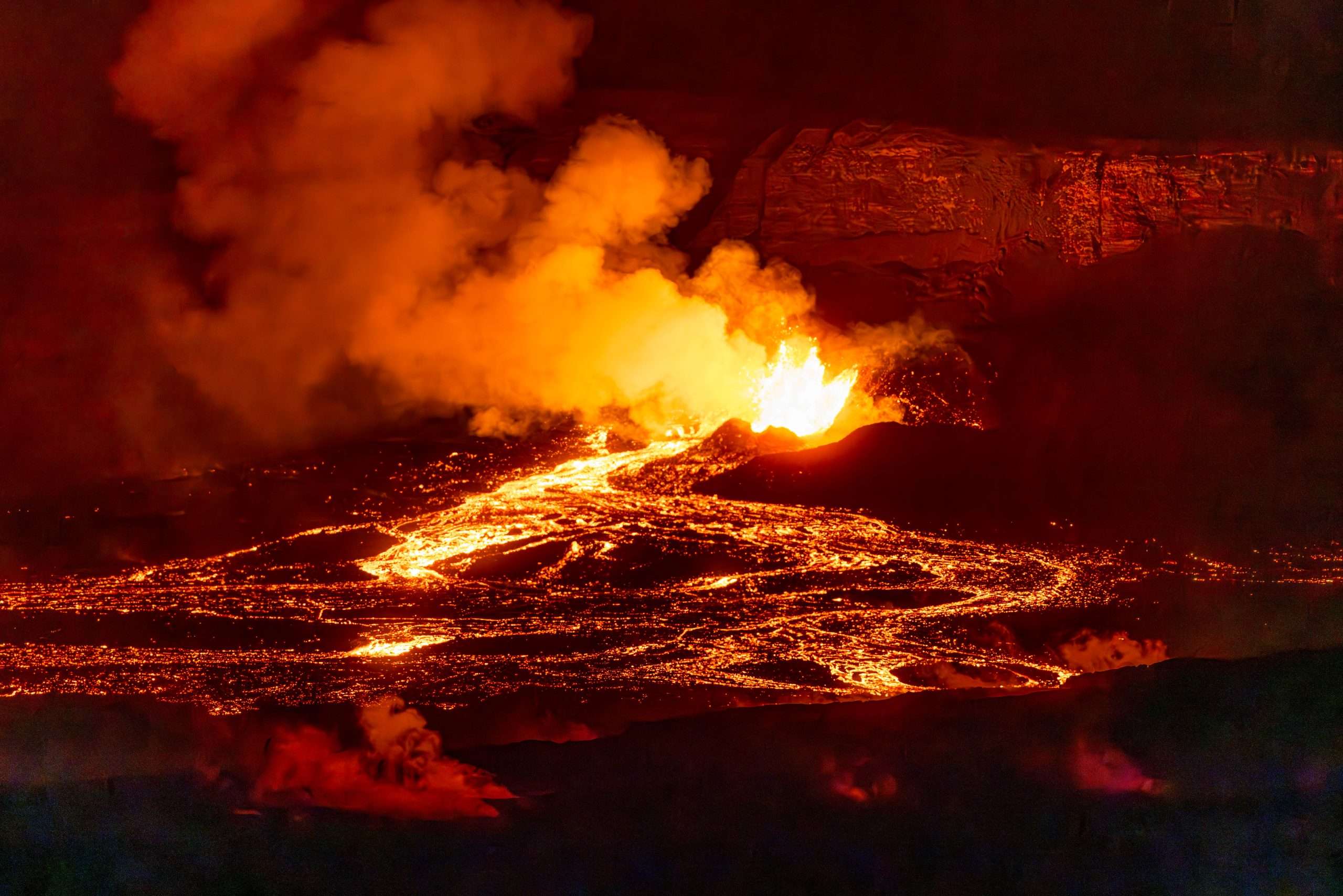
Tours, Programs, and Educational Opportunities
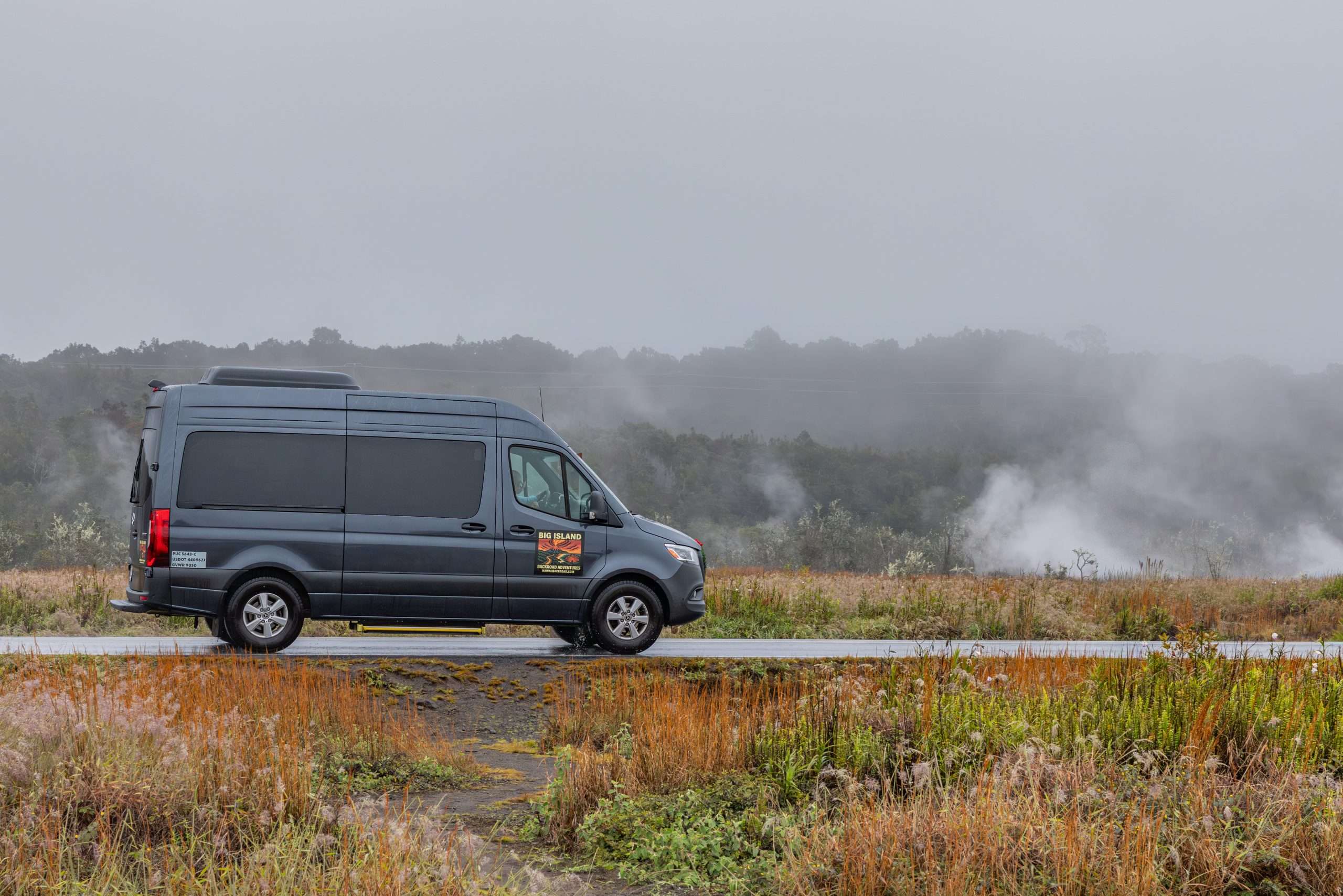
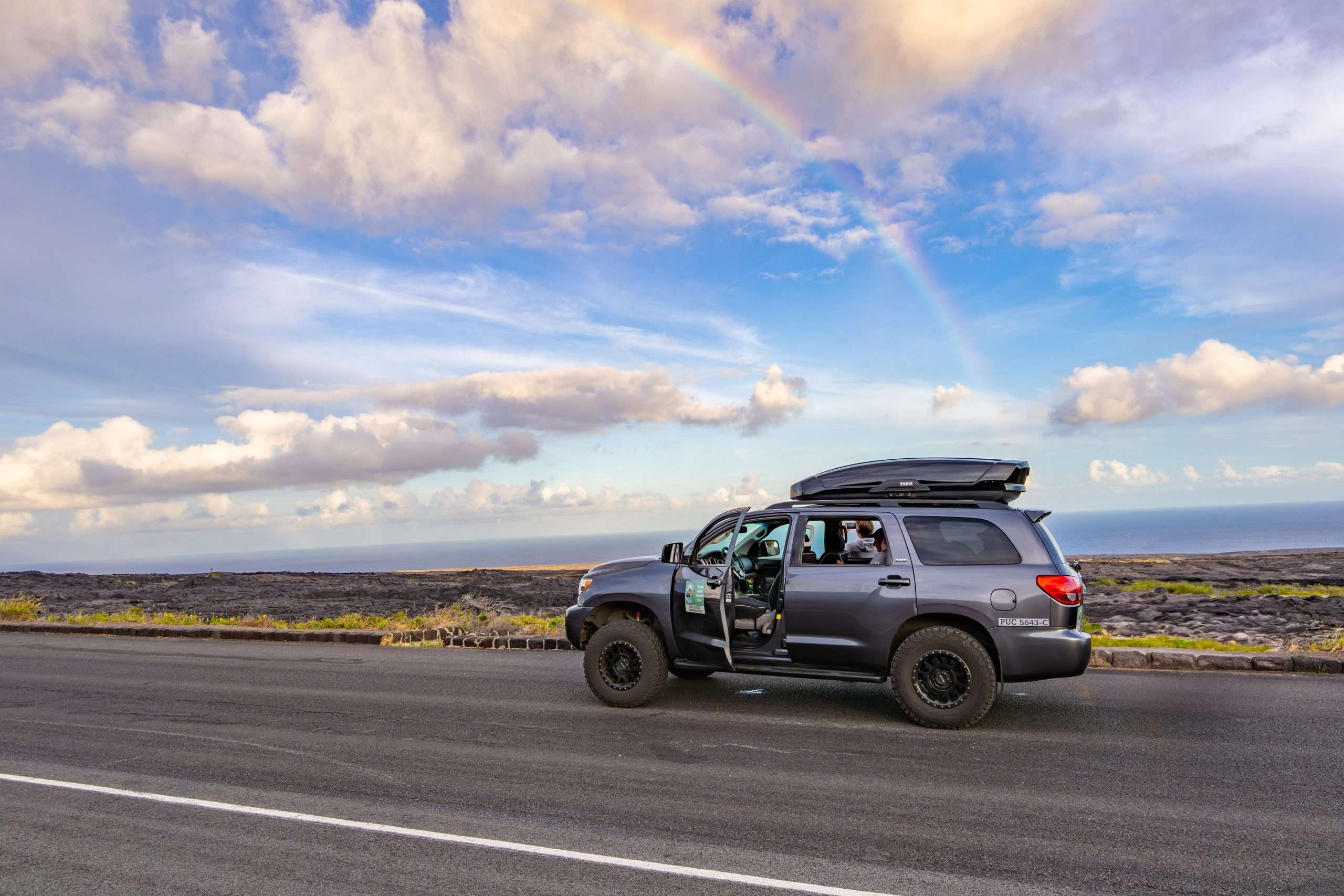
Big Island Backroad Adventures offers an array of tours for visitors. These experiences provide deep insights into the park’s geology and ecology. Guided tours are a fantastic way to explore the Steaming Bluffs and beyond.
Ranger-led programs offer valuable knowledge about volcanic activity and local history. These programs are both educational and engaging, making them perfect for all ages.
Beyond guided tours, the park provides interactive exhibits. These exhibits, located at the visitor center, delve into the science behind the park’s geothermal features.
Join one of the park’s educational offerings to enrich your visit:
- Ranger-led hikes and informational talks
- Interactive exhibits at the visitor center
- Educational workshops on geology and wildlife
Participating in these programs enhances your understanding of the natural wonders around you. They illuminate the delicate balance of ecosystems at play in the park.
If you thirst for knowledge and adventure, don’t miss these opportunities. Each experience is a chance to learn something new about this extraordinary landscape.
Sustainable Travel and Conservation Efforts
Visiting Hawaiʻi Volcanoes National Park offers more than sightseeing. It provides an opportunity to support sustainable travel and conservation efforts. The park prioritizes preserving its unique landscapes and ecosystems.
Park initiatives focus on minimizing environmental impacts. Visitors can contribute by following established guidelines that help protect the area. Simple actions can make a significant difference in conservation.
To ensure a sustainable visit, consider these practices:
- Stay on designated trails to prevent landscape damage
- Avoid littering and use recycling bins
- Respect wildlife by observing from a distance
The park’s dedication to sustainability extends to educational outreach. Programs encourage visitors to engage with environmental stewardship. These efforts help preserve the park for future generations while enhancing the visitor experience.
Be mindful during your visit and embrace these sustainable practices. Your actions contribute to the ongoing protection of this magnificent natural wonder.
Frequently Asked Questions About Steamings Bluffs
What are the Steamings Bluffs?
Steamings Bluffs are a fascinating geothermal feature. They are located within the renowned Hawaiʻi Volcanoes National Park. Visitors see steam rising from the ground, adding to the park’s allure.
How is the steam created?
Steam forms when rainwater seeps into volcanic areas. The underground heat from volcanic activity transforms the water into steam. This creates the mesmerizing vents visitors can observe.
Is it safe to visit the Bluffs?
Yes, visiting is generally safe. However, sticking to designated paths is crucial. These paths ensure protection for both visitors and the delicate ecosystems.
Are there any fees involved?
An entrance fee is required to visit Hawaiʻi Volcanoes National Park. This fee supports the park’s upkeep and conservation efforts, ensuring its beauty for future visitors.
When is the best time to visit?
Visit early in the morning or later in the afternoon. These times often feature cooler temperatures and fewer crowds, enhancing the experience.
Consider the above FAQs during your visit. Each offers vital information to make your trip seamless and enjoyable.
Final Tips for an Unforgettable Volcano Adventure
Visiting Steamings Bluffs is an adventure you won’t forget. Plan and make the most of your trip by adhering to a few key tips. These will enhance your experience and ensure safety and enjoyment.
First, prioritize safety by staying on marked trails and keeping hydrated. Hawaiian weather can be unpredictable, so prepare for quick changes in conditions. Equip yourself with sturdy footwear and weather-appropriate gear.
Second, enrich your visit by engaging in guided tours or ranger-led programs. These provide a deeper understanding of the park’s geology and culture. Check the visitor center for current program schedules.
Here are some additional tips to enhance your visit:
- Carry a reusable water bottle and snacks.
- Wear sun protection like hats and sunscreen.
- Bring a map or download the park app for offline use.
- Be respectful of the park’s natural and cultural resources.
Finally, embrace the tranquility and magnitude of the landscape. Allow yourself moments of silence to truly absorb your surroundings. With these tips, your visit to Steamings Bluffs promises to be both thrilling and rewarding.