Hawaii, a paradise in the Pacific, beckons first-time visitors with its tropical allure. Its vibrant culture, diverse landscapes, and unique wildlife make it a dream destination. But, like any travel adventure, a trip to Hawaii requires careful planning. This is especially true for the Big Island, with its varied climate zones and abundant natural wonders. Our guide offers essential Hawaii travel tips for first-timers. We aim to equip you with practical advice, from what to pack to how to respect the ‘aloha’ spirit. We’ll delve into the Big Island’s unique experiences, including guided naturalist tours. These tours offer an in-depth exploration of the island’s rich biodiversity. With our tips, you’ll be well-prepared for a memorable and hassle-free Hawaiian adventure. So, let’s embark on this journey together, exploring the beauty and diversity of the Big Island.
Welcome to our comprehensive Hawaii travel guide. Let’s make your first Hawaiian trip an unforgettable one.
Understanding Hawaii’s Unique Environment
Hawaii’s environment is unlike any other place on Earth. It boasts a range of climate zones from desert to rainforest. Understanding this diversity is key to enjoying your visit.
The Big Island alone contains ten of the world’s 14 climate zones. This means you can experience sun, rain, and even snow in a single day. Planning your activities with the weather in mind is crucial.
To make the most of your trip, consider what each climate zone offers. From the lush rainforests of Hilo to the volcanic landscapes of Kona, the island has much to explore. Each area requires different preparation and clothing.
Dress appropriately for the various conditions you may encounter. Layers are your best friend, as temperatures can vary greatly. This flexibility ensures comfort throughout your adventures.
Here’s a quick list to guide your preparation:
- Pack lightweight, breathable clothing for hot, humid areas.
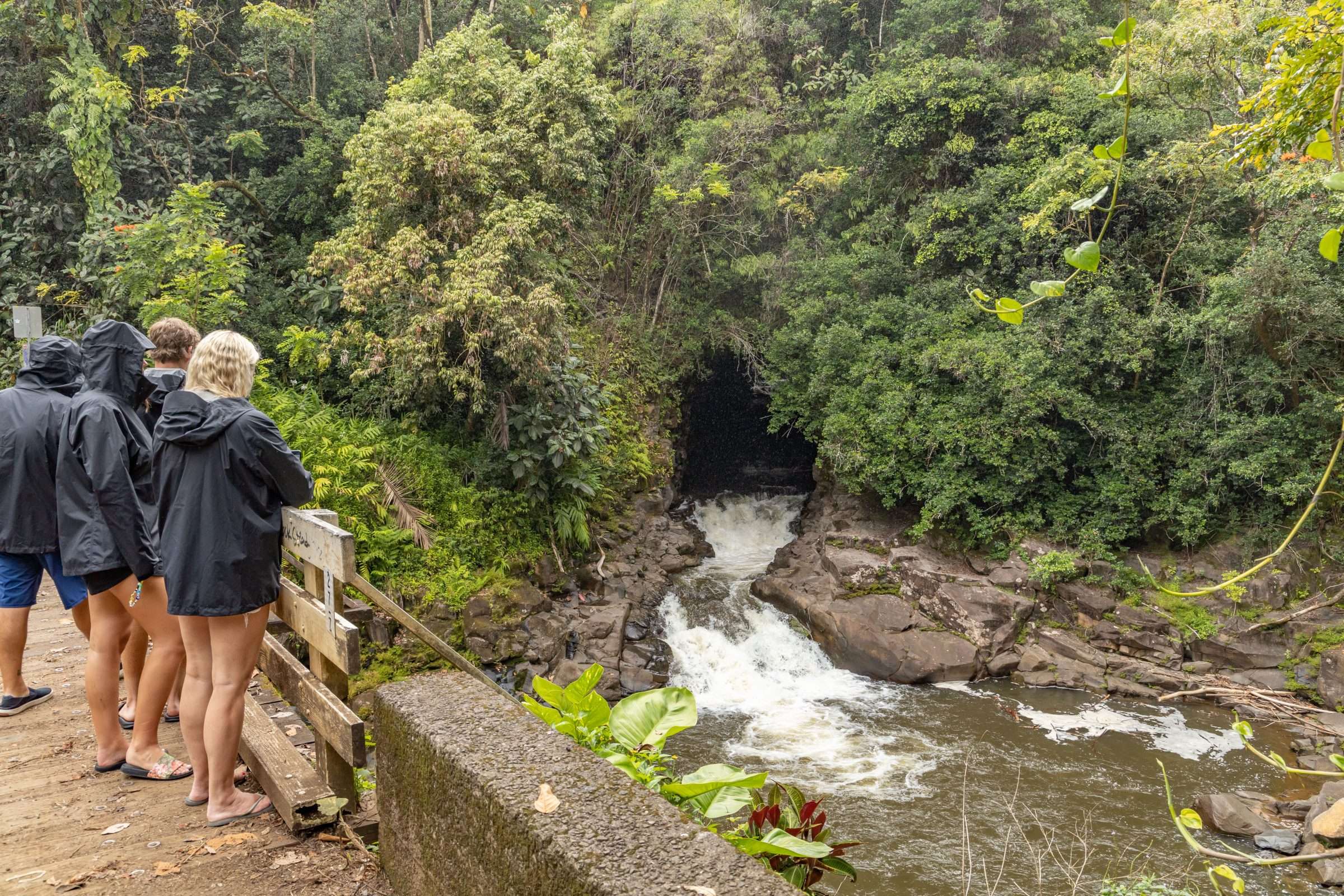
- Include a rain jacket for sudden showers.
- Bring warm layers for higher elevations.
By understanding Hawaii’s unique environment, you’ll be better equipped to enjoy everything it has to offer. Embrace the island’s dynamic weather patterns for a richer travel experience.
Best Times to Visit the Big Island
Timing your visit to the Big Island can enhance your experience. Each season offers unique benefits and opportunities. Consider what you want from your trip when planning.
The best time to visit for favorable weather and fewer tourists is between September and November. During these months, you’ll enjoy mild conditions and more availability. This period also coincides with the end of hurricane season.
Winter months, from December to February, are busier due to holiday travel. However, they offer opportunities for whale watching. If you don’t mind the crowds, winter can be a magical time to explore.
Spring and summer welcome lush landscapes and warm temperatures. These months see more tourists, especially families on vacation. Plan ahead to secure accommodations and tours if visiting during this peak period. By choosing the right time to visit, you can align your journey with your interests and schedule.
Cultural Etiquette and the ‘Aloha’ Spirit
Hawaii is a melting pot of diverse cultures and traditions. The ‘Aloha’ Spirit is at the heart of Hawaiian culture. It embodies warmth, love, and respect for everyone.
Understanding local etiquette helps ensure a smooth trip. Use ‘aloha’ as a greeting and ‘mahalo’ to express gratitude. These simple words reflect appreciation and friendliness.
Respect for the land and people is paramount. Avoid entering sacred sites or private property without permission. Always seek guidance on appropriate behavior from locals or guides.
Dress codes differ from the mainland. Beachwear is acceptable at the beach but not in restaurants or shops. Always wear suitable attire in public spaces.
Showing interest in Hawaiian customs enriches your experience. Attend local events or festivals to immerse yourself in the culture. The community appreciates when visitors engage respectfully and enthusiastically.
Hawaii Packing List Essentials
Packing for Hawaii requires thoughtful selection due to the island’s varied climates. The Big Island features diverse zones, from tropical beaches to cool mountain tops.
Light, breathable clothing is a must. Include shorts, T-shirts, and sundresses. They are perfect for sunny days and casual outings.
Swimwear is essential. Whether you’re hitting the beach or pool, pack a few sets. Quick-dry fabric is especially handy.
A rain jacket or lightweight waterproof layer is advisable. The island can surprise with a sudden downpour, especially in rainforests.
Don’t forget sun protection. Bring sunglasses, a wide-brimmed hat, and reef-safe sunscreen. Protecting your skin is vital under Hawaii’s strong sun.
Sturdy hiking shoes are crucial for exploring trails. The Big Island’s rugged terrain calls for good traction and support.
Create a compact and functional packing list. Here are the essentials:
- Lightweight clothing
- Swimwear
- Rain jacket
- Reef-safe sunscreen
- Sunglasses and sun hat
- Hiking shoes
Bring a reusable water bottle. Staying hydrated is key when adventuring in the heat. Hawaii’s tap water is safe and refreshing.
Consider a backpack for day trips. It provides easy access to essentials like snacks, maps, and cameras. Pack smart for an enjoyable and comfortable trip.
Exploring the Big Island’s Natural Wonders
The Big Island of Hawaii is a paradise for nature enthusiasts. Its landscapes are incredibly diverse and captivating. From volcanic deserts to lush rainforests, the island offers a spectrum of wonders.
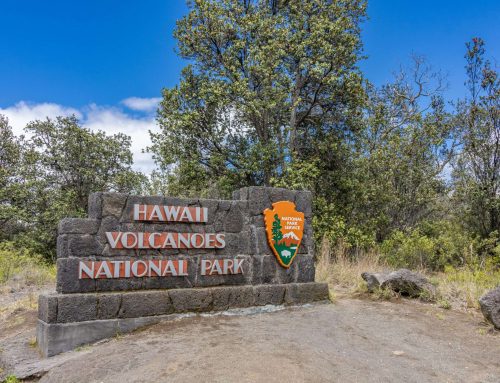
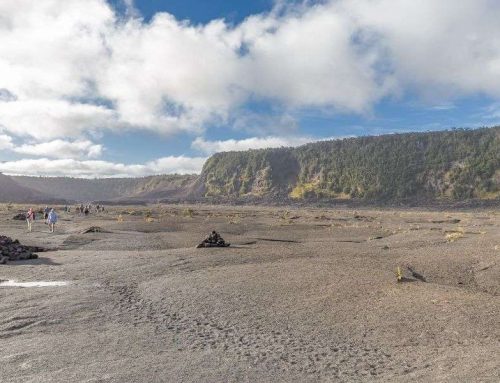
Volcanoes National Park is a must-see. It showcases the island’s dramatic volcanic activity. Witness lava fields, steam vents, and even watch active lava flows if conditions permit.
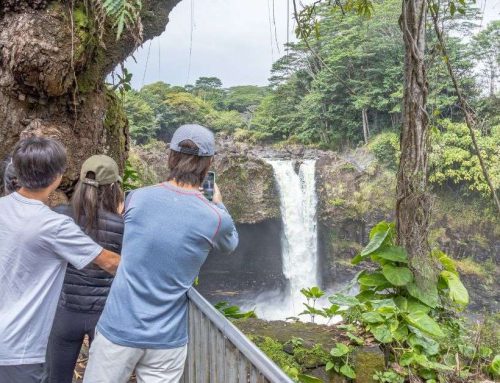
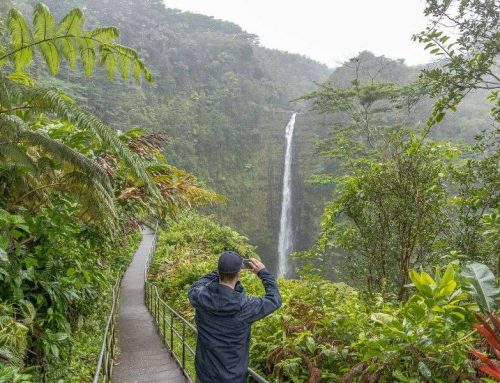
For lush scenery, venture into the rainforests. Hamakua Coast features dense tropical vegetation and towering waterfalls. It’s perfect for hiking and photography enthusiasts.
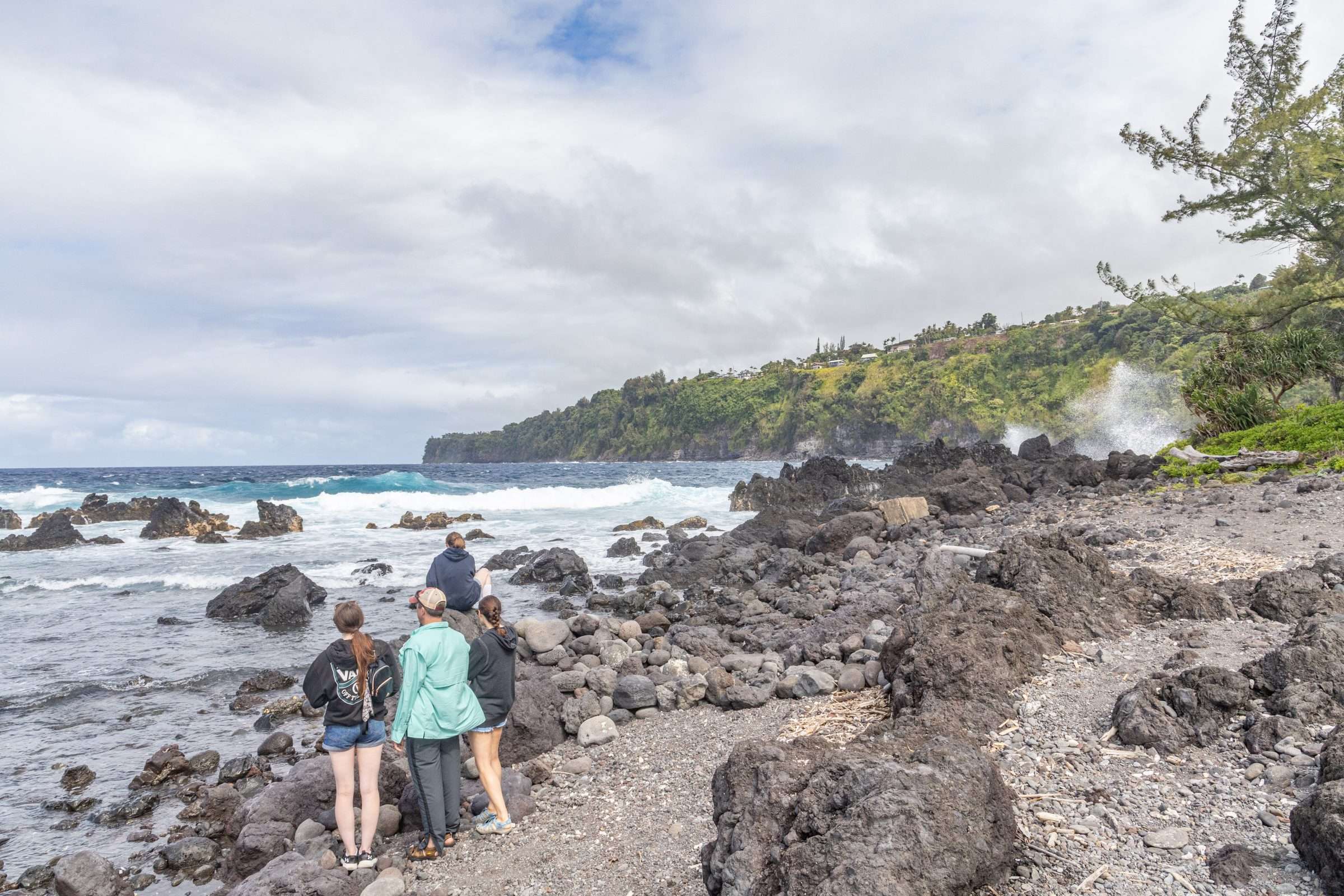
The beaches vary dramatically. From the black sands of Punalu’u to the white sands of Hapuna Beach, each offers unique experiences. Snorkeling in these waters reveals vibrant marine life.
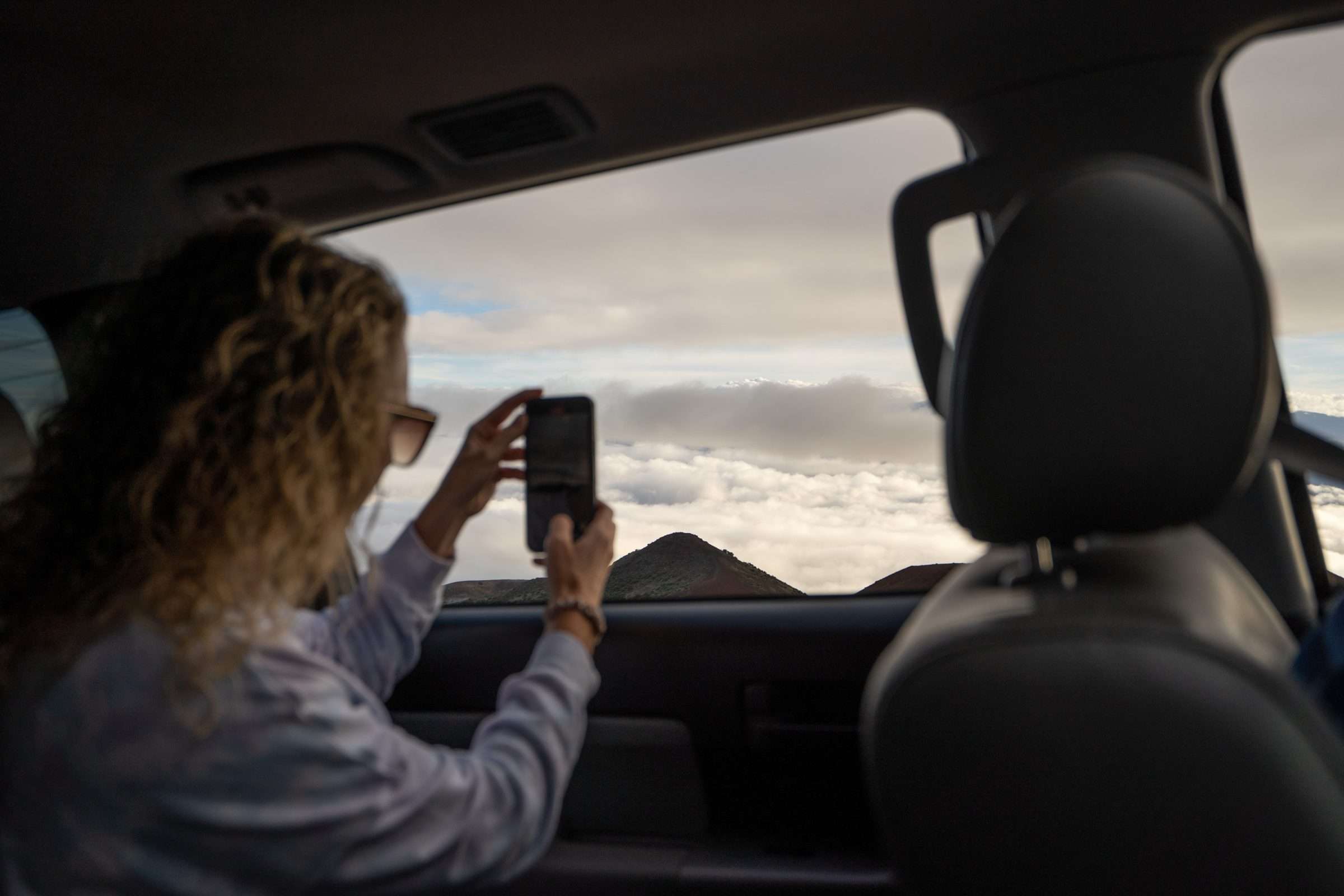
Higher elevations, like Mauna Kea, offer stargazing opportunities unrivaled elsewhere. The clear night skies provide an unforgettable celestial display. It’s a magical experience for astronomy lovers.
Don’t miss the island’s botanical gardens. These conservation areas preserve Hawaii’s native flora. They offer educational insights into the local ecosystem. The Big Island’s natural wonders promise enriching adventures. Immerse yourself and embrace the island’s breathtaking beauty.
Guided Naturalist Tours: A Deeper Dive into Hawaii’s Ecosystems
Guided naturalist tours are an exceptional way to explore the Big Island’s ecosystems. These tours are led by knowledgeable guides, offering insights you might otherwise miss. They provide a more in-depth experience, enriching your understanding of the island’s diverse environments.
On these tours, you can explore the island’s unique flora and fauna. Guides will introduce you to endemic species found nowhere else on earth. Their expertise helps reveal the island’s natural secrets, enhancing your appreciation for its beauty and fragility.
Many tours focus on different aspects of the island’s ecology. Whether you’re interested in volcanic geology, rainforest ecosystems, or marine life, there’s a tour to match your interests. Each excursion is designed to educate and inspire, fostering a deeper connection with nature.
Beyond education, these tours prioritize eco-friendly practices. Guides emphasize the importance of conservation, encouraging responsible tourism. By participating, you contribute to preserving Hawaii’s stunning natural heritage while enjoying an unforgettable adventure.
Our Big Island lava tube tours take visitors to stunning volcanic eruptions, delicious local bakeries, and other memorable locations. During these tours, you can talk with your guide and feel free to ask questions to learn about what’s around you, from the environment to the wildlife.
Eco-Friendly Travel Tips for a Sustainable Visit
Traveling to Hawaii offers a chance to enjoy nature, but it’s vital to travel responsibly. Eco-friendly practices help preserve the beauty of the islands. Here are some tips to minimize your environmental impact during your visit.
First, pack reef-safe sunscreen. This type of sunscreen protects Hawaii’s delicate coral reefs from harmful chemicals. Choose sunscreens labeled as “reef-safe” to ensure you’re not contributing to coral damage.
Consider using reusable items. Bring a refillable water bottle to reduce plastic waste. Reusable bags, straws, and utensils can also cut down on single-use plastics.
Support local businesses wherever possible. Dining at local restaurants and shopping at local markets reduces your carbon footprint. These actions help sustain the local economy, making your travel more sustainable.
When choosing accommodations, look for eco-friendly options. Many hotels and resorts practice sustainability by conserving energy, water, and supporting local initiatives.
Finally, be mindful of your interactions with wildlife. Always observe from a distance and never feed or touch wild animals. This respect helps maintain natural behaviors and ecosystems, ensuring Hawaii’s wildlife remains vibrant for future generations.
Local Cuisine and Must-Try Hawaiian Dishes
Experiencing local cuisine is essential when visiting Hawaii. The islands boast a rich blend of flavors influenced by various cultures. Trying these dishes connects you deeper to Hawaiian traditions.
Start with poke, a delightful dish featuring raw fish seasoned with soy sauce, sesame oil, and seaweed. It’s a fresh and flavorful treat, perfect on a sunny Hawaiian day.
Don’t miss out on shave ice, a beloved dessert that cools and refreshes. Topped with syrups in many flavors, it’s a sweet way to end any meal. These dishes are just the beginning of Hawaii’s culinary treasures.
Staying Safe and Healthy in Hawaii
Prioritizing safety and health ensures a stress-free Hawaiian adventure. The islands offer diverse outdoor activities requiring basic safety knowledge. Start by familiarizing yourself with essential precautions.
Hydration is crucial, especially during outdoor excursions. Hawaii’s warm climate means you’ll need to drink water regularly. Always carry a reusable water bottle with you.
Sun protection is vital for any island adventure. Apply reef-safe sunscreen liberally to protect your skin and marine life. Additionally, wear a hat and sunglasses to stay cool and shielded.
The ocean is beautiful but can be unpredictable. Stay informed about local conditions before swimming or snorkeling. Pay attention to warning signs and lifeguard instructions.
Consider this safety checklist for a healthy trip:
- Stay hydrated with plenty of fluids.
- Apply reef-safe sunscreen frequently.
- Wear protective clothing, like hats and sunglasses.
- Check ocean conditions and heed local advisories.
Following these tips will help you make the most of your Hawaiian experience.
Tips for an Unforgettable Big Island Experience
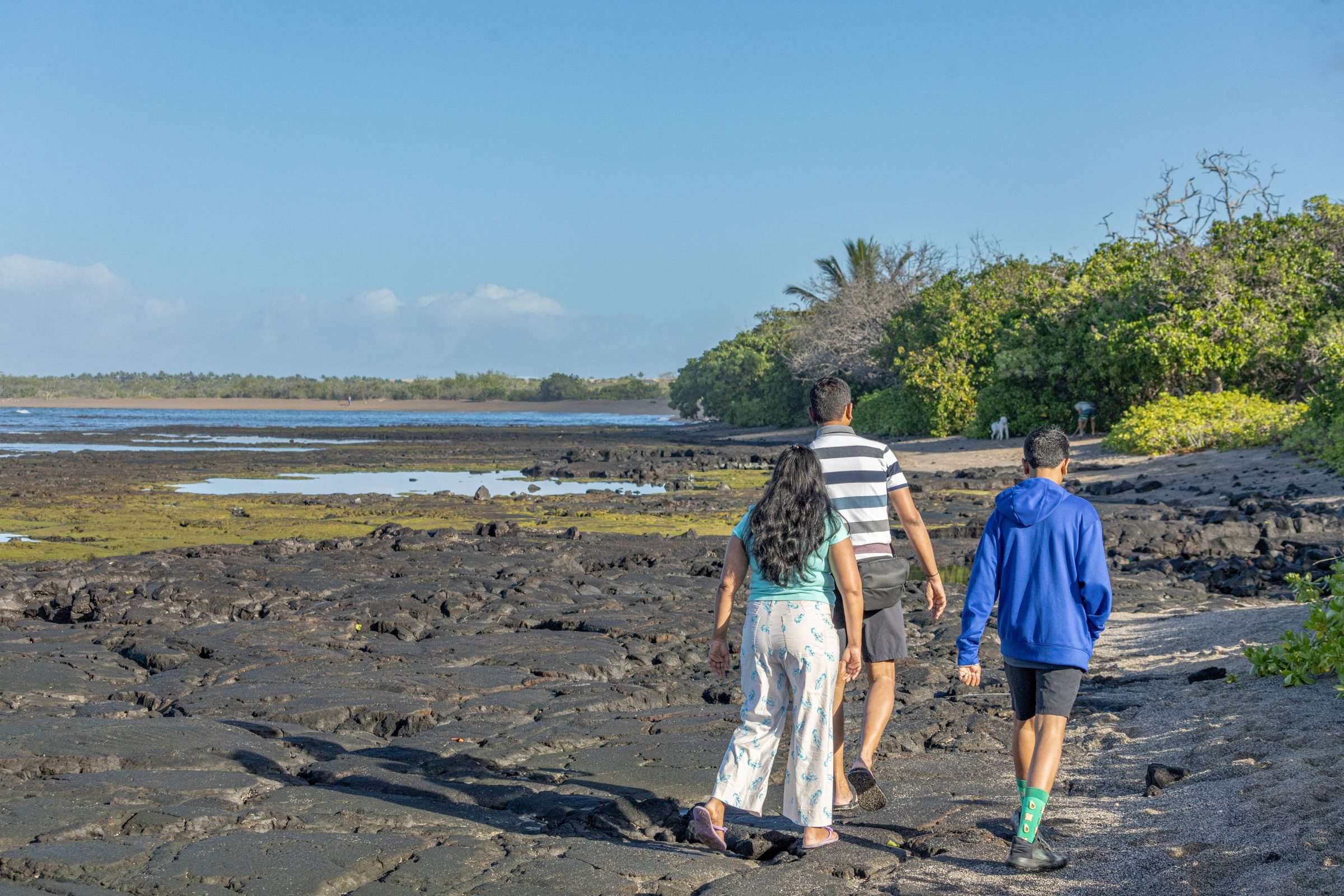
To capture the essence of the Big Island, embrace its vast landscapes. Drive along scenic roads that wind through diverse terrains. Stop often to savor incredible views.
Indulge in adventure by exploring the island’s active volcanoes. Visit the Volcanoes National Park to witness nature’s power. Engage with informative displays and meet expert guides.
Immerse yourself in Hawaiian culture through local events and traditions. Attend a luau for a taste of authentic island life. The Big Island offers endless opportunities for adventure and discovery.