If seeing molten lava appeals to you, then the first place to check for visible lava is Hawaii Volcanoes National Park. Kīlauea’s current summit eruption can sometimes be viewed from open overlooks along the caldera rim. Lava is not visible every day, and the eruption area itself is closed. Your best viewing spot can change with activity, weather, and park restrictions.
If you’re searching for where to see lava on Big Island, start with the National Park Service eruption viewing page. Then start planning your tour. Big Island Backroad Adventures offers private guided tours that combine current park guidance with an excursion shaped around your party’s needs and wants.
Look for lava only from open public viewpoints identified by the park; never enter a closed crater or follow an informal route toward an eruption. Check the USGS update and park viewing guidance close to departure. If you’d like a naturalist guide to handle the driving and plan your day, explore our volcano tours and Water and Fire.
Where Can Visitors See Lava at Kīlauea?
When lava is visible, visitors can watch from designated, open overlooks along Kīlauea’s caldera rim in Hawaii Volcanoes National Park. The National Park Service names current viewing areas and explains how weather, crowding, and eruption changes may affect the view.
Kīlauea Overlook and Uēkahuna are among the park’s established summit viewing areas. Which one makes sense on a given day depends on the eruption’s location and the park’s current instructions. At times, a fountain is plainly visible from a public overlook. During a pause, you may see only the crater, hardened new lava, or a weak glow after dark. Fog can erase the view altogether for a while.
Use the park’s eruption viewing guidance to find an open public vantage point.
Is There Lava Flowing on the Big Island Right Now?
Kīlauea’s summit eruption has continued in episodes since December 2024, but that does not mean there is a surface flow you can view at any hour. In the October 5, 2026, USGS update, the vents showed glow and some spattering, while another fountaining episode remained possible. Conditions may be different by the time you travel.
If you’re wondering if visible lava is flowing on the Big Island, read the latest Kīlauea update. It explains whether the eruption is fountaining, paused, or changing. Next, check the park page for visitor access. Those two steps answer different questions: what the volcano is doing and what you can safely see from an open area.
Do not assume “lava viewing” means walking beside a river of molten rock. The present activity is at the summit, within a closed area. Park visitors may be able to see an eruption from a distance when conditions are optimum. However, a tour cannot guarantee an episode, a clear sky, or a particular view. Basically, every trip is at the mercy of Mother Nature.
How Can You See a Lava Flow on the Big Island Safely?
Use the overlooks and paths that the National Park Service has opened for visitors. Always follow the latest instructions on arrival. The eruption area remains closed because volcanic gas, unstable edges, ground cracks, and falling material present real hazards that could put you and your party in danger.
A workable plan typically has the following steps:
- Check the USGS Kīlauea update. Read the activity summary rather than relying on an alert color alone so you know what to expect.
- Check the park’s viewing page and alerts. Confirm which overlooks and roads are open. Take the time to look at the webcams for a sense of visibility.
- Allow time for the trip. The park is roughly a two-hour drive each way from the Kona resort area. If an eruption occurs then it can also bring heavy traffic and full parking areas that you’ll need to plan to contend with.
- Dress for the summit. Wear sturdy shoes and bring layers and rain protection to deal with rapid weather changes, which can occur. Follow current advice about gas and airborne volcanic material, too.
- Stay within open areas. A crowd moving toward a closed trail or a bright patch visible beyond a rope line does not make it an approved route.
If you’ve been asking how to see lava flow on Big Island, this approach gives you the best chance of seeing whatever is publicly viewable during your visit while respecting the park’s boundaries and rules. The volcano still gets the final say.
Can a Private Guide Take You Somewhere the Public Cannot Go?
No private guide can take you into a closed eruption area simply by calling the trip a lava tour. Big Island Backroad Adventures follows National Park Service access rules. Our guests only view volcanic activity from places open for the itinerary.
Guides offer judgment, interpretation, and a day planned for the people traveling with you. Our naturalist guides stay current on all park conditions, explain what you’re looking at, and can adjust the day’s open stops around your interests and the available time. That may mean spending longer at a summit overlook when there is activity. On a quiet day, it may mean exploring a lava tube, older flows, or the ways native plants return to the volcanic ground.
Our tours are completely private to your party. You won’t have to persuade a busload of strangers that your family wants another few minutes at the crater like with other tours. You also won’t be promised access that the park has restricted. For a sense of the landscapes beyond the current eruption, read our guide to the top things to do in Hawaii Volcanoes National Park.
Is Daytime or Nighttime Better for Lava Viewing?
Night can make volcanic glow more visible and awe-inspiring, but neither daytime nor nighttime guarantees lava. A daytime visit gives you a clearer look at the crater and surrounding terrain, but an evening visit may make any glow easier to notice if activity, weather, and access permit.
Think about the whole journey, particularly from the west side of the island. The longer Water and Fire tour offers an opportunity to remain in the park into the evening when the agreed schedule allows. The 12-hour tour option also includes a restaurant lunch in the Hilo area and dinner near the park.
Our 8- and 10-hour tours combine both the park and waterfalls. During the outings, we also provide a picnic lunch.
Choose a tour duration (8, 10, 12 hours) that fits your group’s unique needs, stamina, and priorities rather than extending the day solely on the hope of a glow.
With our tours, you should always plan for a rewarding day in the park and treat a visible fountain as a remarkable possibility that may or may not occur.
Self-Drive or Private Lava Viewing Tour?
Both approaches use the same open park viewing areas.
- A self-drive visit gives you control of your vehicle and schedule.
- A private tour gives your party a guide who handles the route and explains the changing volcanic landscape.
| Your decision | Self-drive park visit | Private guided day |
| Current conditions | You check USGS and park updates and adapt your route. | Your guide monitors updates and discusses open options with your party. |
| Travel from the west side | You handle the long drive, parking, and return trip. | Lodging pickup and transport are included on Water and Fire. |
| What you learn | You rely on signs, rangers, and your own research. | A naturalist guide interprets geology, wildlife, and cultural context. |
| Eruption access | Only areas open to visitors. | The same park rules and closures apply. |
If you’re comparing lava viewing tours Big Island Hawaii, ask what the day includes beyond the possibility of seeing molten rock. Big Island Backroad Adventures includes park admission, meals according to your chosen itinerary, rain gear, binoculars, and a complimentary package of 20 to 25 edited photos on Water and Fire. In addition, the itinerary is private and customizable within the tour length and current conditions.
What Else Can You See if the Lava Is Hidden?
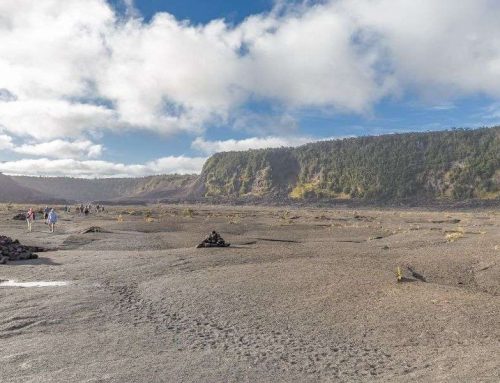
Even during a pause or a cloudy spell, Hawaii Volcanoes National Park has visible evidence of Kīlauea’s power.
- Nāhuku is a lava tube you can walk through when open.
- Summit overlooks reveal the caldera’s scale, while steam vents show heat still moving beneath the landscape.
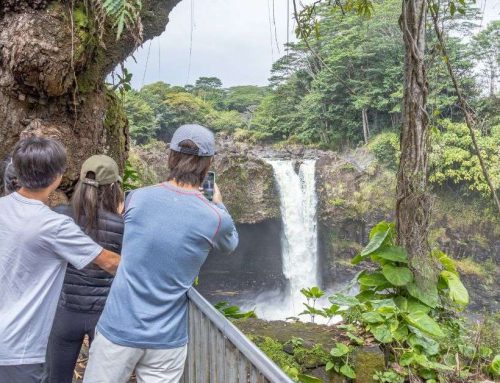
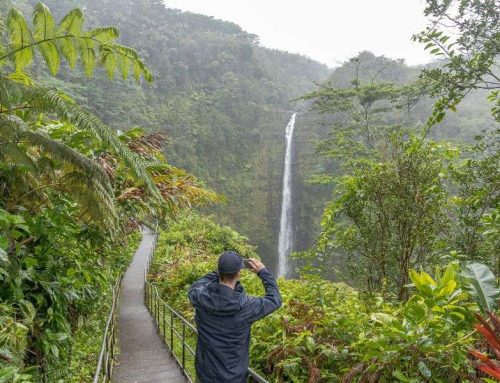
The contrast becomes even clearer if your day includes Hilo’s waterfalls. Our Water and Fire tour brings those green, rain-fed settings together with volcanic terrain in one private itinerary.
Our 10-hour version can allow a choice between another waterfall stop and more time inside the park, subject to your route and current access. That flexibility is golden when a particular view is obscured or your party discovers a place it wants to explore longer.
Lava Viewing Questions
Can you walk up to lava in Hawaii Volcanoes National Park?
No visitor should cross a closure to approach the current summit eruption. The active crater area is closed. The park directs guests to open viewing areas along the caldera rim. Rules may change, so follow the signs and staff guidance you find on the day.
Is lava visible every night?
No. A glow is sometimes visible during an active phase, but a pause, rain, fog, or the angle from an open overlook can limit the view. Check live park guidance before an evening trip. Ideally, you should keep another park experience in your plans.
Do lava viewing tours guarantee an eruption?
No. Eruptions are natural events. No operator controls their timing. A good private tour gives you informed guidance, practical support, and an interesting day even when Kīlauea is quiet.
Make Your Volcano Day Count
The best plan for seeing lava begins with current information and room for the unexpected. Tell Big Island Backroad Adventures your travel dates, pickup location, and what matters most to your party. Explore our private volcano tours or choose Water and Fire for waterfalls and Kīlauea in one day. Call (808) 315-9278 to plan your visit.